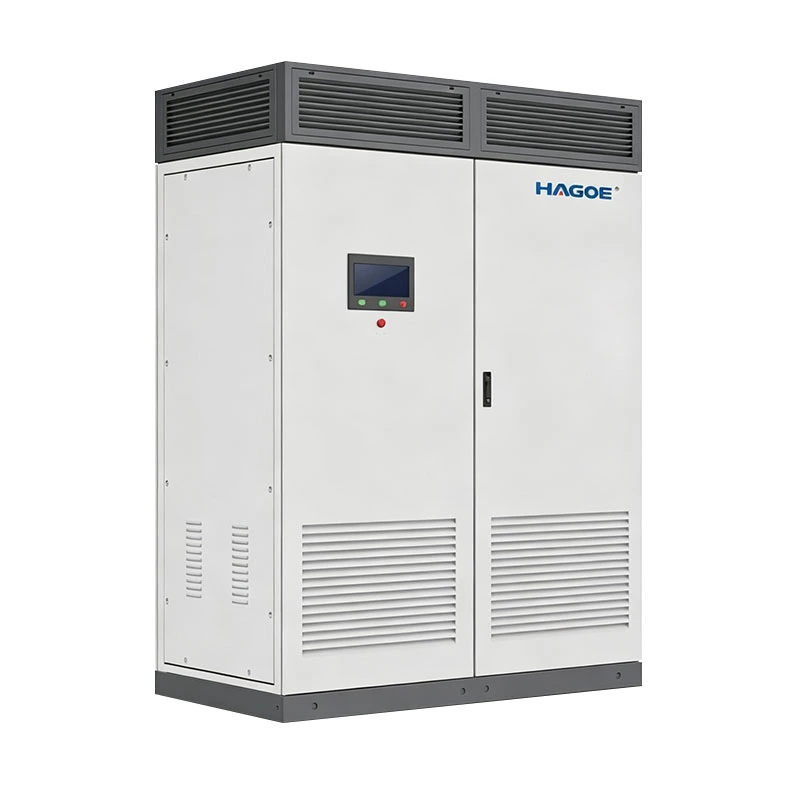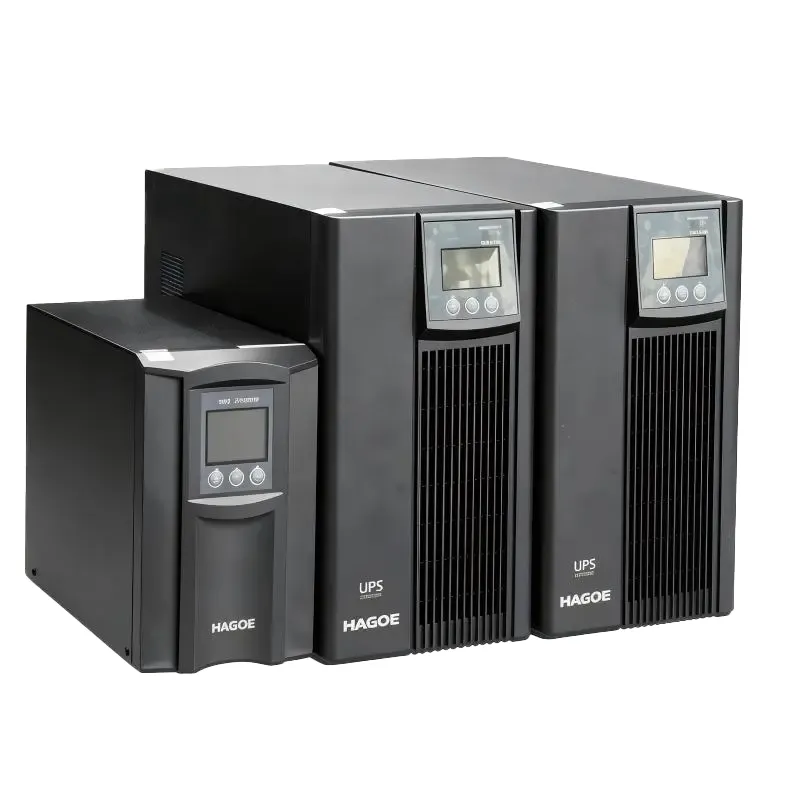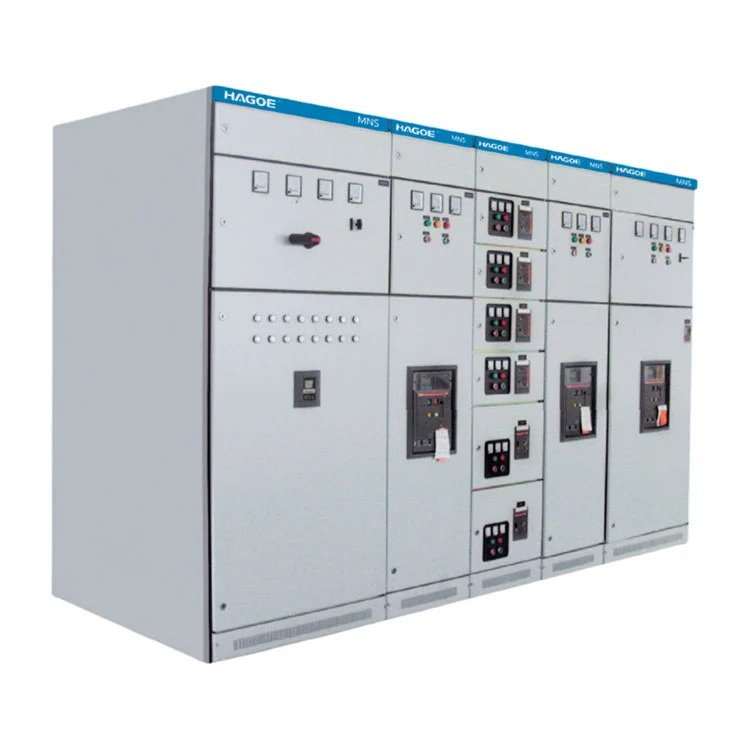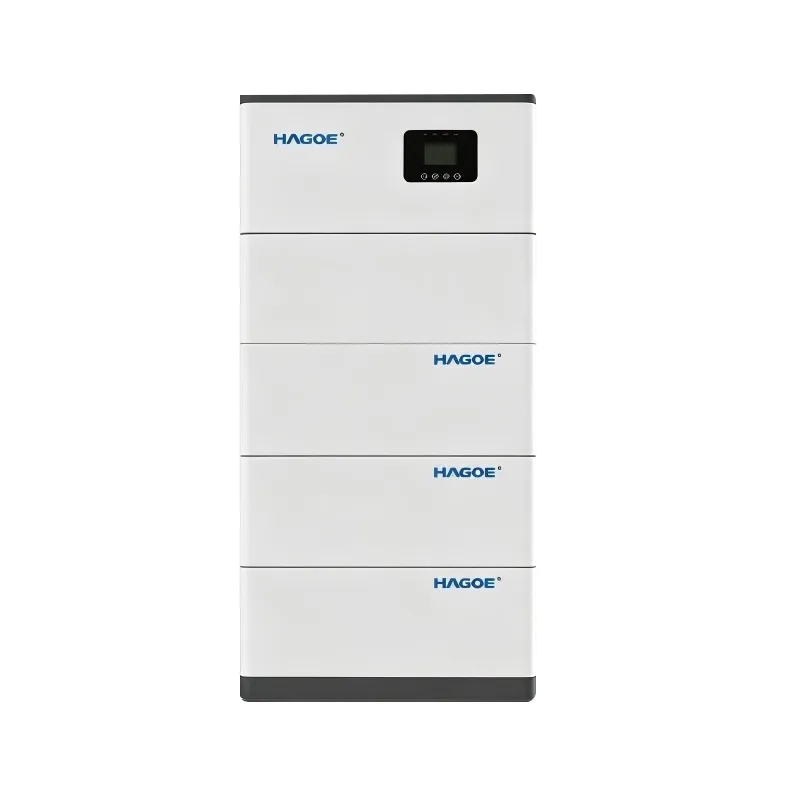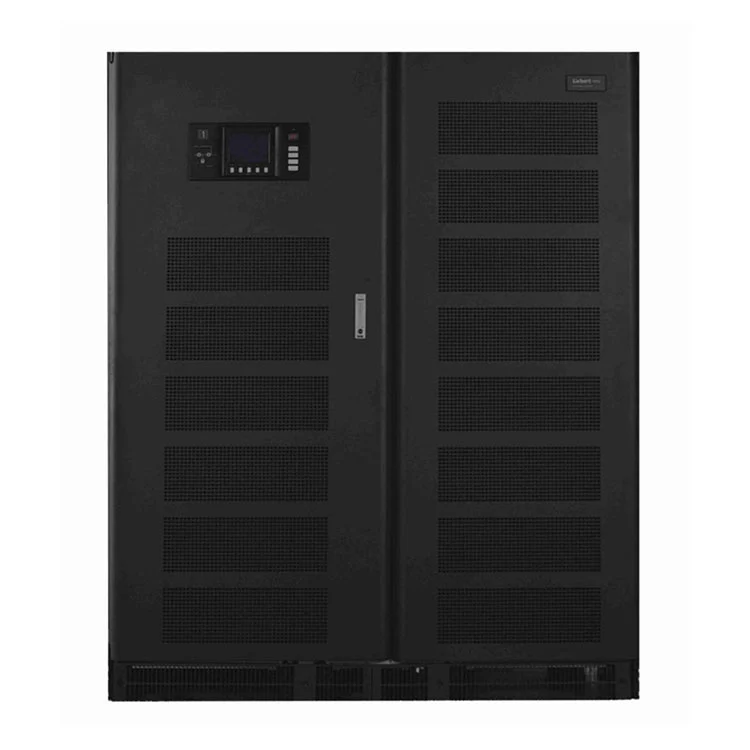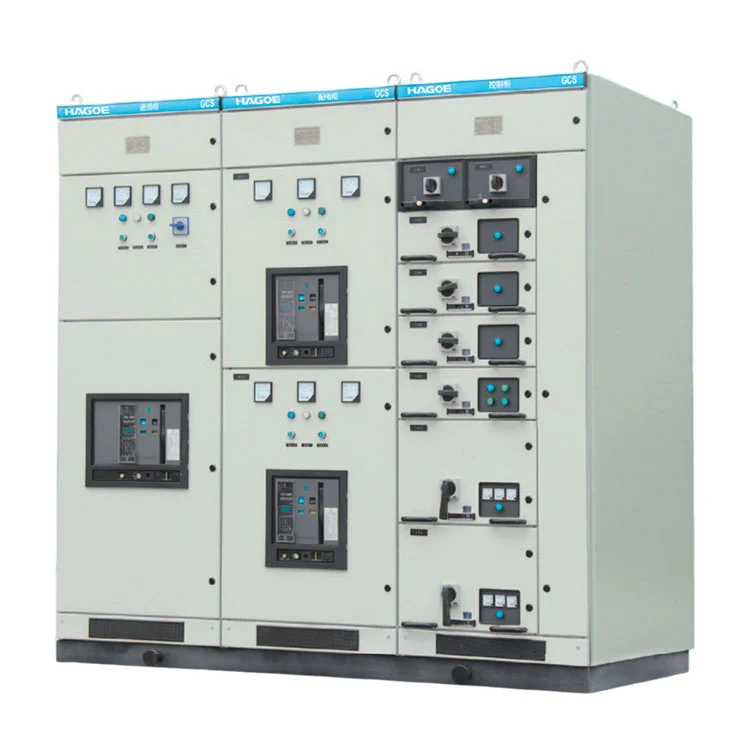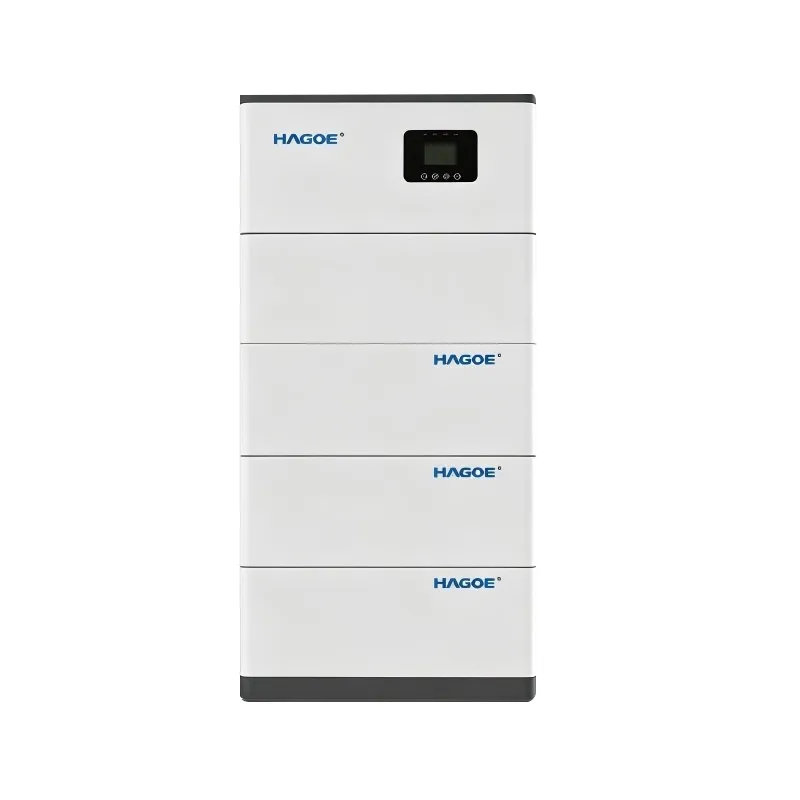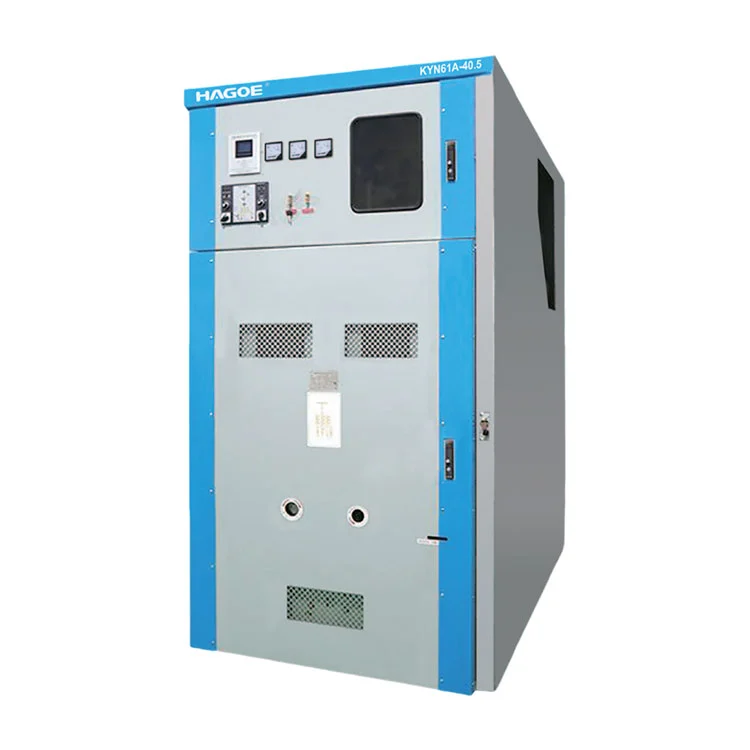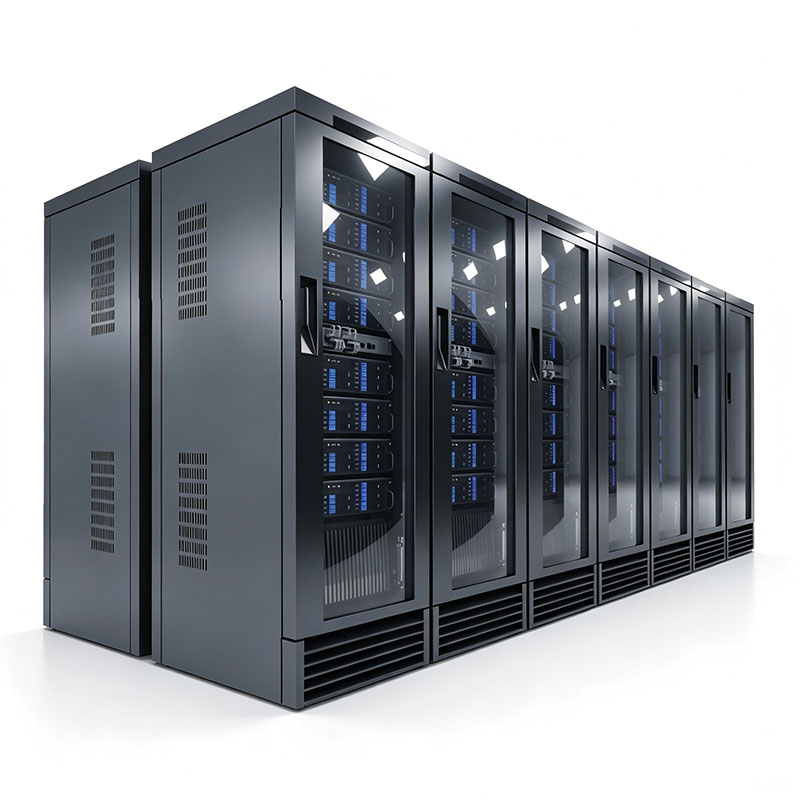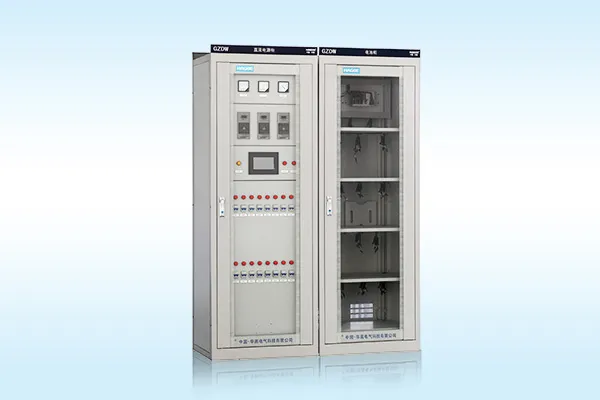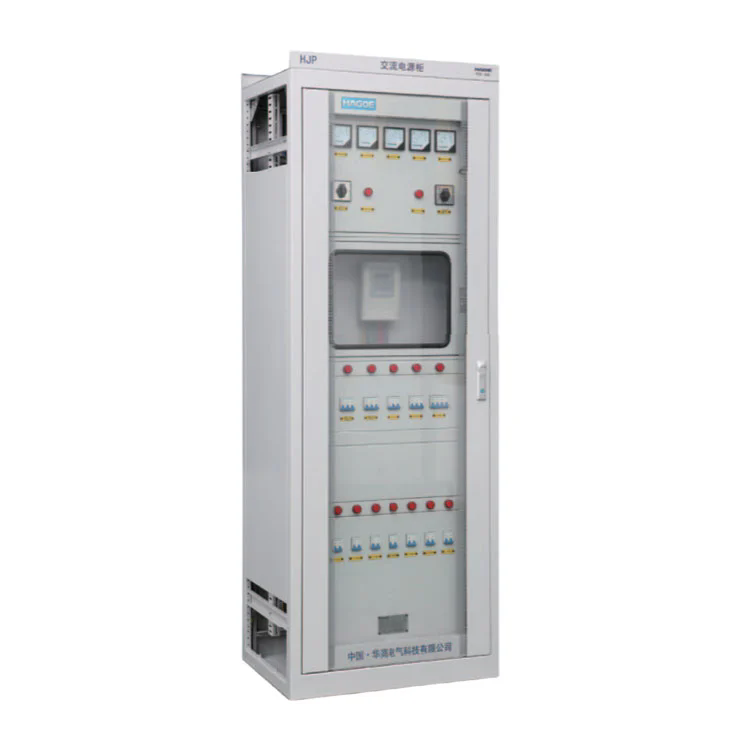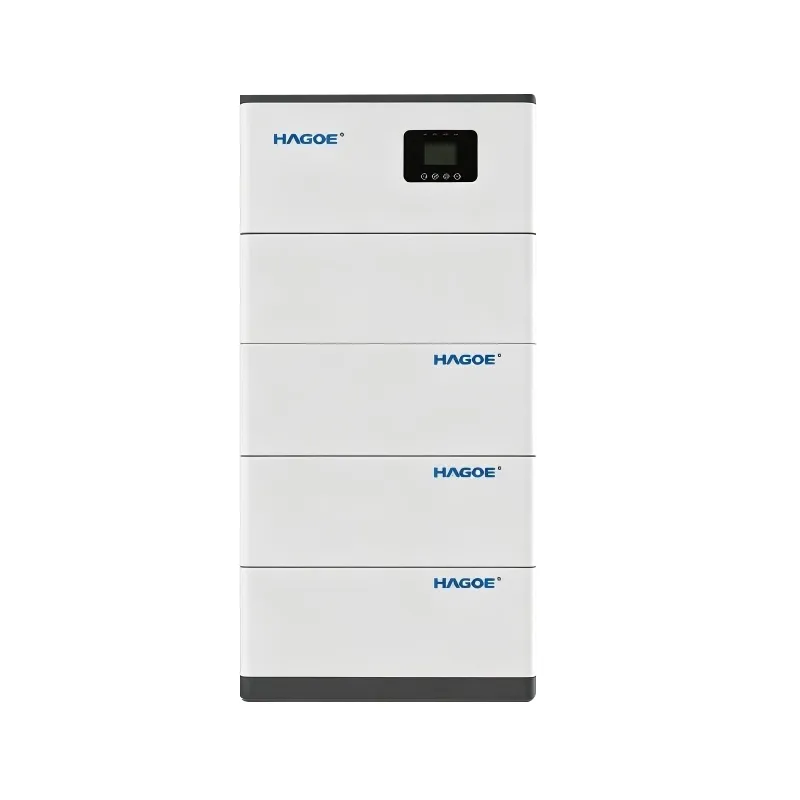
As data centers, communication networks, and industrial facilities become increasingly dependent on uninterrupted electricity, selecting a reliable backup power solution is essential. A Modular UPS offers a flexible approach to power protection by combining independent power modules, intelligent digital control, and N+X redundancy. HAGOE provides modular uninterruptible power supply solutions designed to meet the changing requirements of critical power infrastructure, helping businesses achieve reliable operation, convenient maintenance, and scalable capacity expansion.
A Modular UPS is an advanced uninterruptible power supply system that uses multiple independent power modules to provide continuous and stable electricity for critical equipment. Unlike conventional UPS systems with relatively fixed capacity, its modular architecture allows users to increase power capacity according to actual demand. With DSP digital control, N+X redundancy, and parallel module configuration, it offers advantages in scalability, system availability, and maintenance flexibility.
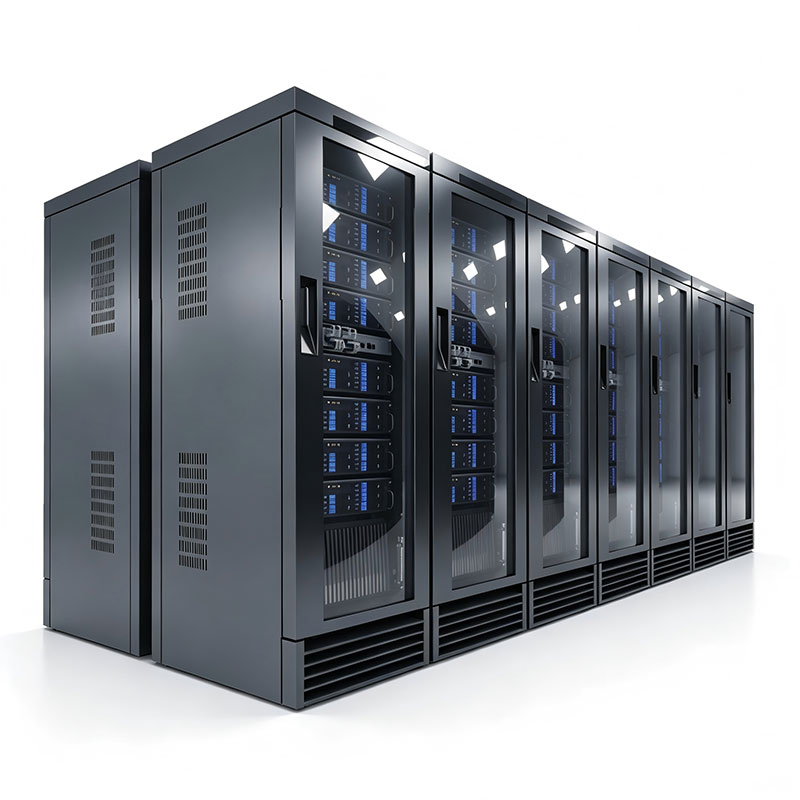
A Modular UPS, also known as a modular uninterruptible power supply, is a power protection system consisting of multiple independent power modules installed within a common cabinet. Each module operates as part of the overall power supply architecture, allowing the system to distribute power demand across several units.
Unlike a conventional UPS that generally relies on a single integrated power unit, a modular system provides greater flexibility in capacity configuration. Users can select the number of modules according to their current electricity consumption and add more modules when the load increases.
This architecture is particularly valuable for facilities where electricity demand changes over time. For example, a newly established data center may initially require relatively low backup power capacity. As additional servers, storage devices, and network equipment are installed, the UPS system can be expanded accordingly.
The main characteristics of a Modular UPS include:
For businesses planning long-term infrastructure development, a modular architecture can reduce the need to replace an entire UPS system whenever power requirements change.
The operating principle of a Modular UPS is based on coordinated power conversion and distribution. Multiple power modules work together to provide stable output electricity while the control system manages their operation.
Under normal conditions, the UPS receives electricity from the utility supply, processes the input power, and delivers regulated electricity to connected equipment. Meanwhile, the battery system remains available to provide backup power when the main supply becomes abnormal or interrupted.
When a power failure occurs, the UPS transfers to battery operation to maintain electricity supply to critical equipment. The exact transition and operating characteristics depend on the system architecture and configuration.
One of the most important characteristics of a Modular UPS is its N+X redundant design.
For example, if a facility requires four modules to support its operating load, an N+1 configuration adds one additional module. Therefore, five modules are installed, with four required for the designed load and one providing redundancy.
If one module becomes unavailable, the remaining modules can continue supporting the load within the designed operating limits. The actual level of protection depends on the redundancy configuration, total load, and system control strategy.
For data centers and other mission-critical environments, proper N+X configuration helps reduce the impact of individual module failures and improves power system resilience.
Choosing the right UPS involves more than comparing rated power capacity. Reliability, energy efficiency, maintenance requirements, and future expansion potential are equally important.
Traditional UPS systems may require the installation of another complete unit when electricity demand increases. A Modular UPS allows additional power modules to be integrated into the existing cabinet, subject to available module positions and system design limits.
This approach is suitable for businesses implementing phased infrastructure development because they can initially purchase the capacity they need and expand as their operations grow.
With N+X redundancy, the system includes additional power modules beyond the minimum capacity required for normal operation. This provides a reserve against individual module failures and supports continuous operation within the designed redundancy limits.
Digital Signal Processing (DSP) technology enables accurate control of electrical conversion and coordination between power modules. It supports stable system operation and helps manage power quality under changing load conditions.
The independent module architecture makes it easier to identify and manage certain module-level faults. Depending on the equipment design and maintenance procedures, technicians may be able to service individual modules without performing extensive work on the entire UPS cabinet.
Energy efficiency directly affects the operating cost of a UPS installation. HAGOE's published specifications indicate normal-module efficiency of 95% and economic-module efficiency of up to 98%.
Higher conversion efficiency can reduce power losses and heat generation, helping facilities manage energy consumption and cooling requirements.
When evaluating a Modular UPS, technical specifications provide an important basis for comparing products and determining whether a system is suitable for a specific project.
HAGOE offers modular UPS configurations designed for data centers, communication rooms, and industrial control systems. Its product architecture supports a single-module capacity of up to 20KVA and a maximum cabinet configuration of up to 200KVA.
| Technical Category | Parameter | Specification |
|---|---|---|
| Product Type | System | Modular Uninterruptible Power Supply |
| Power Capacity | Single Module | Up to 20KVA |
| Power Capacity | Maximum Cabinet Capacity | Up to 200KVA |
| Redundancy | System Architecture | N+X Redundancy |
| Control | Control Technology | DSP Digital Control |
| Input | Rated Voltage | 380VAC / 400VAC / 415VAC |
| Input | Frequency | 50/60Hz |
| Input | Power Factor | >0.99 |
| Output | Rated Voltage | 380VAC / 400VAC / 415VAC |
| Output | Voltage Precision | ±1% (balanced load) |
| Output | Voltage Distortion | THD <1.5% (linear load) |
| Efficiency | Normal Module | 95% |
| Efficiency | Economic Module | Up to 98% |
| Communication | Interfaces | RS232, RS485, Dry Contact, SNMP Card |
| Protection | Protection Level | IP20 |
| Environment | Operating Temperature | 0–40°C |
| Environment | Relative Humidity | 0–95% (Non-condensing) |
These specifications provide a useful reference for engineering evaluation. Actual system selection should also consider load characteristics, battery autonomy, installation conditions, redundancy requirements, and project-specific electrical standards.
For detailed product information, visit the HAGOE Modular UPS product page.
Both modular and traditional UPS systems provide backup power and electrical protection. However, their structural designs create differences in capacity planning, maintenance, and long-term investment.
| Comparison Factor | Modular UPS | Traditional UPS |
|---|---|---|
| System Structure | Multiple independent power modules | Integrated power unit |
| Capacity Configuration | Flexible module-based configuration | Generally fixed unit capacity |
| Expansion | Additional modules can be installed | May require another UPS or replacement |
| Redundancy | N+X configuration available | Usually requires complete-unit redundancy |
| Maintenance | Module-level maintenance depending on design | May involve servicing the complete unit |
| Initial Investment | Can be matched to current demand | May require larger initial capacity |
| Future Expansion | Suitable for phased growth | Requires more advance planning |
| Typical Applications | Growing data centers and critical IT loads | Stable loads with defined capacity requirements |
Neither solution is universally better. A conventional UPS can be a practical choice when the load is stable and future expansion is unlikely. However, a Modular UPS is often worth considering when capacity requirements are expected to increase or when a project requires configurable redundancy.
Purchasers should compare total lifecycle costs rather than focusing exclusively on the initial purchase price.
Capacity planning is one of the most important steps when purchasing a Modular UPS. An undersized system may struggle to support the actual load, while an oversized installation can increase unnecessary initial investment.
HAGOE's modular UPS product information specifies a power capacity of up to 20KVA per single module. Multiple modules can operate in parallel to meet different project requirements.
By connecting multiple modules in parallel, the HAGOE Modular UPS can achieve a cabinet capacity configuration of up to 200KVA. This provides a flexible power protection option for medium-sized data centers, communication facilities, and industrial applications.
For example, an installation with an initial demand of 60KVA may be designed around an appropriate module arrangement and redundancy margin. If the facility later adds equipment, additional capacity may be configured within the cabinet's available positions and rated limits.
Proper capacity planning ensures that the UPS system can support current operations while retaining sufficient flexibility for future development.
Modular UPS technology is widely applicable wherever power interruption can affect equipment operation, business continuity, or production processes.
Data centers require continuous power for servers, storage devices, networking equipment, and cooling-related control systems. As computing infrastructure expands, electricity demand also increases.
A Modular UPS allows data center operators to configure capacity according to actual IT loads and expand the system as new equipment is installed. N+X redundancy can also support the power availability requirements of critical server infrastructure.
Telecommunication facilities depend on reliable power to maintain network connectivity and communication services. A modular power architecture provides configurable capacity and redundant module arrangements for communication equipment and network infrastructure.
Industrial production lines often rely on PLCs, monitoring devices, control cabinets, and communication networks. Unexpected power interruptions may cause production downtime or process instability.
A properly configured Modular UPS helps maintain power to critical control equipment and supports more reliable industrial operations.
Banks, commercial buildings, enterprise IT rooms, and transaction processing facilities require dependable power for servers, security systems, and communication equipment. Modular UPS systems provide a scalable solution for these critical electrical loads.
Medical and laboratory environments may use sensitive electronic equipment, monitoring systems, and data processing devices that require stable electricity. UPS selection should follow the applicable electrical safety standards and the specific requirements of each application.
Selecting an appropriate Modular UPS requires evaluating technical requirements, installation conditions, and the supplier's engineering capabilities. The following factors can help procurement teams make informed decisions.
Calculate the total connected load, peak demand, power factor, and expected future consumption. Do not select a UPS based only on the nominal power rating of individual devices.
Determine whether the project requires N, N+1, N+2, or another N+X arrangement. The redundancy level should reflect the importance of the connected equipment and the acceptable level of operational risk.
Battery autonomy determines how long the UPS can support connected equipment after a utility power failure. The battery configuration should be calculated according to load power, required backup duration, battery characteristics, and environmental conditions.
Before purchasing, confirm the following details:
A professional UPS manufacturer should provide more than equipment specifications. Buyers should also evaluate technical consultation, system configuration assistance, installation guidance, testing documentation, and after-sales support.
These factors are particularly important for large-scale projects involving multiple modules, parallel operation, and redundant power architecture.
The performance of a Modular UPS depends not only on its electrical design but also on manufacturing consistency, component quality, and system verification.
Established in 2008, HAGOE has more than 18 years of experience in power electronics and power supply manufacturing. The company provides power supply products for different industrial and infrastructure applications.
Its manufacturing capabilities include:
HAGOE operates under ISO9001, ISO14001, and ISO45001 management systems and holds more than 34 national patents.
For modular power equipment, manufacturing quality and verification are particularly important because multiple power modules must operate together under coordinated control. Consistent assembly processes and appropriate testing help verify electrical performance, operating stability, and environmental adaptability.
When evaluating a supplier, buyers should request relevant technical specifications, test reports, wiring diagrams, product certifications, and maintenance documentation before finalizing procurement.
Learn more about HAGOE's manufacturing capabilities and company background.
The main advantage is its flexible and scalable architecture. Users can configure the number of power modules according to actual electricity demand and expand capacity when additional equipment is installed. Its N+X redundancy design also provides additional power module capacity to support system availability.
According to HAGOE's product specifications, a single power module provides up to 20KVA, while multiple modules connected in parallel can achieve a cabinet capacity of up to 200KVA. The actual usable capacity depends on the selected configuration and redundancy requirements.
N+1 means that the system contains the minimum number of modules required to support the connected load plus one additional redundant module. If one module becomes unavailable, the remaining modules can continue supporting the load within the designed operating limits.
Yes. Capacity expansion is one of the major benefits of modular UPS architecture. Additional modules can be installed when power requirements increase, provided that the cabinet has available module positions and the system supports the required configuration. Electrical distribution and redundancy requirements should also be checked before expansion.
Yes. Modular UPS systems are particularly suitable for data centers because server loads often increase as IT infrastructure expands. Flexible capacity configuration and N+X redundancy make them useful for facilities that require scalable and reliable power protection.
HAGOE specifies a normal-module efficiency of 95% and an economic-module efficiency of up to 98%. Actual operating efficiency depends on the selected operating mode, load conditions, and system configuration.
Battery capacity depends on the connected load, required backup duration, battery system voltage, discharge characteristics, and operating temperature. Engineers should calculate battery requirements based on the actual backup time needed rather than relying solely on the UPS KVA rating.
For an accurate quotation, provide the required capacity, input and output voltage, load characteristics, redundancy requirements, battery backup time, installation environment, and future expansion plans. These details help the manufacturer recommend a suitable module and cabinet configuration.
A Modular UPS is a practical solution for facilities that require reliable electricity, flexible capacity planning, and convenient maintenance. Its independent power modules, DSP digital control, and N+X redundancy provide an adaptable architecture for data centers, telecommunications, industrial automation, and other critical applications.
With single-module capacity of up to 20KVA and cabinet configurations of up to 200KVA, HAGOE offers modular UPS solutions designed to support different project requirements. Its manufacturing experience, production equipment, and testing capabilities provide a foundation for supplying power protection equipment to industrial and infrastructure customers.
Whether you are planning a new data center, upgrading an existing power system, or sourcing a scalable uninterruptible power supply for industrial applications, selecting the right configuration is essential for long-term operational reliability.
Looking for a reliable Modular UPS manufacturer for your next project? HAGOE can help you evaluate power requirements, redundancy configurations, battery backup specifications, and system capacity. Visit our Modular UPS product page to explore product details and technical specifications. If you need a customized power protection solution or professional technical assistance, contact us today to discuss your project requirements and receive a suitable quotation from the HAGOE team.