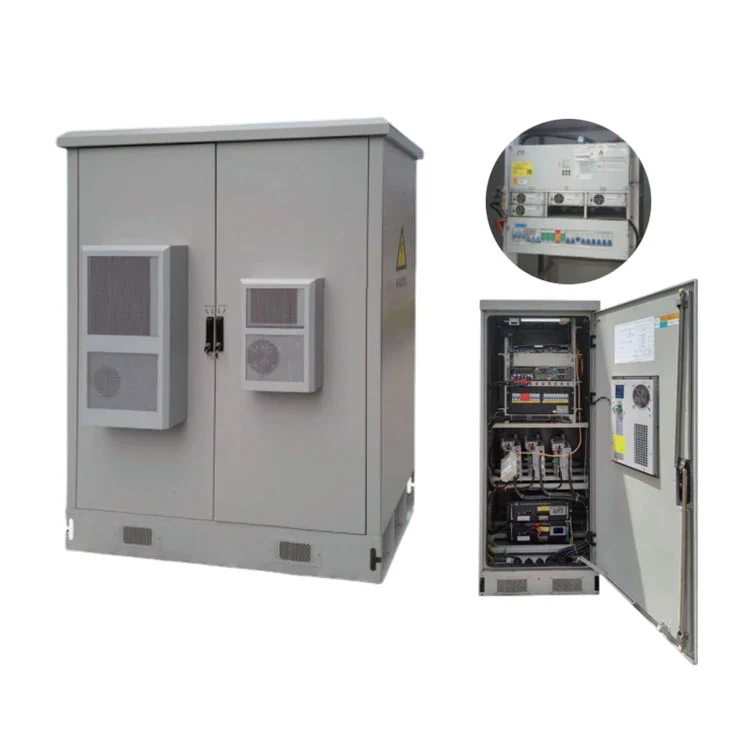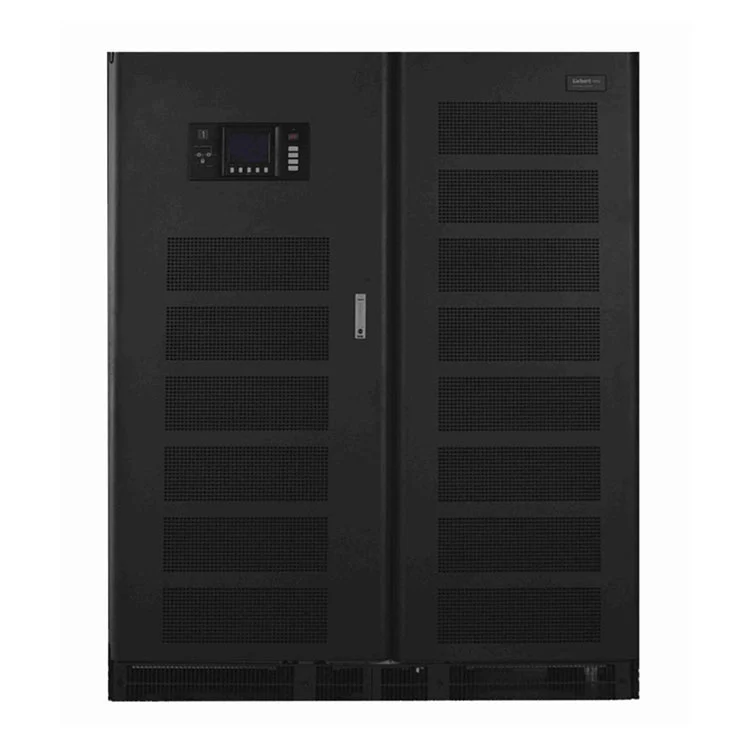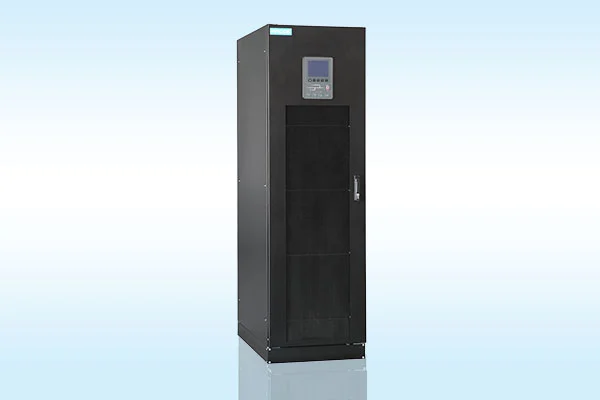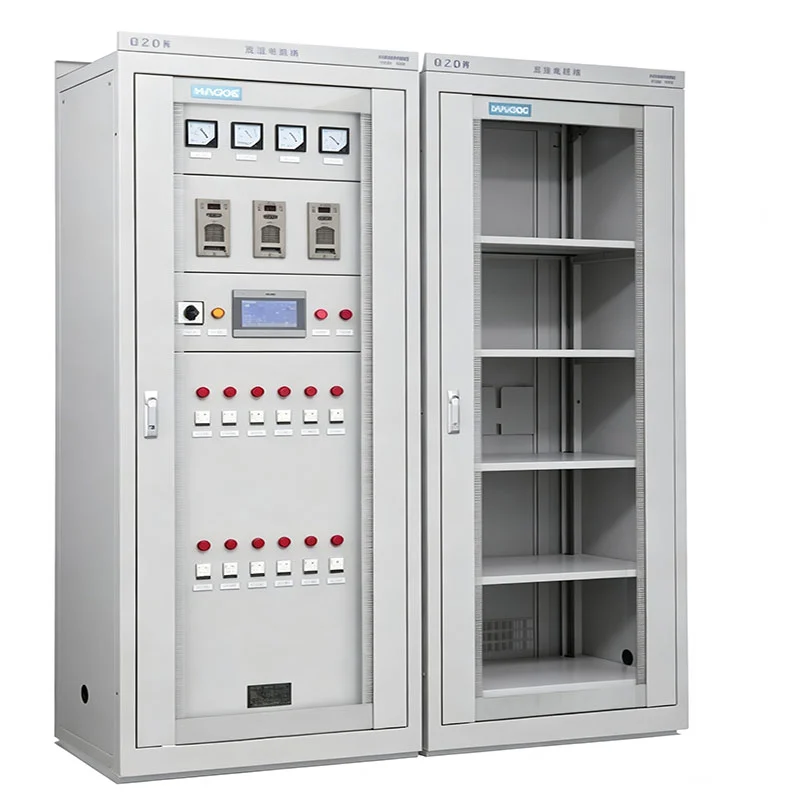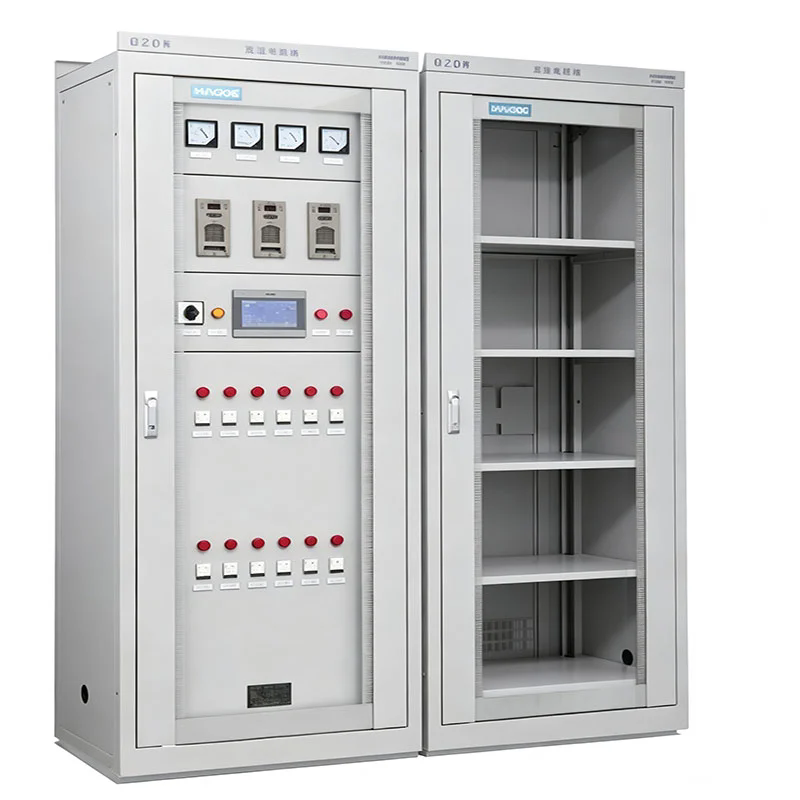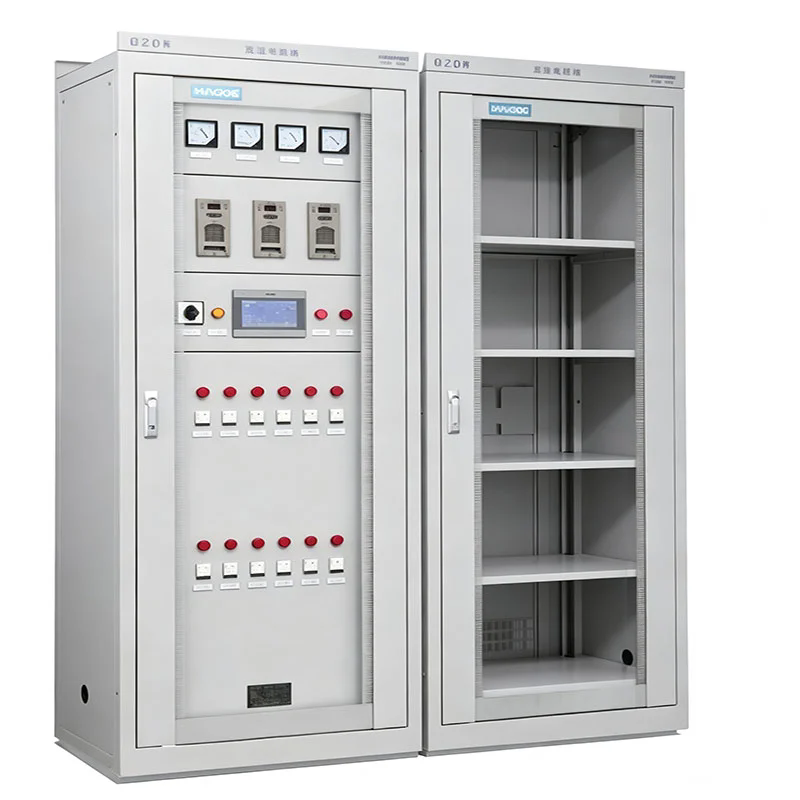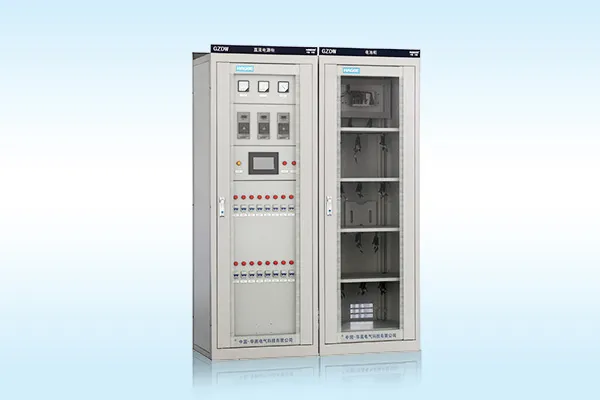
HAGOE provides engineered DC power solutions for substations, power plants, industrial facilities, and other critical electrical infrastructure. The GZDW DC Power Supply Panel integrates AC/DC conversion, battery charging, DC distribution, insulation monitoring, and intelligent supervision to provide stable auxiliary DC power for protection, control, automation, and communication systems.
Article Summary: A dependable DC auxiliary power system is essential wherever protection relays, circuit breakers, automation equipment, and communication devices must remain operational. This article explains how a GZDW system works, its main technical characteristics, battery options, intelligent monitoring functions, application scenarios, and key factors to consider when selecting a project-specific configuration.
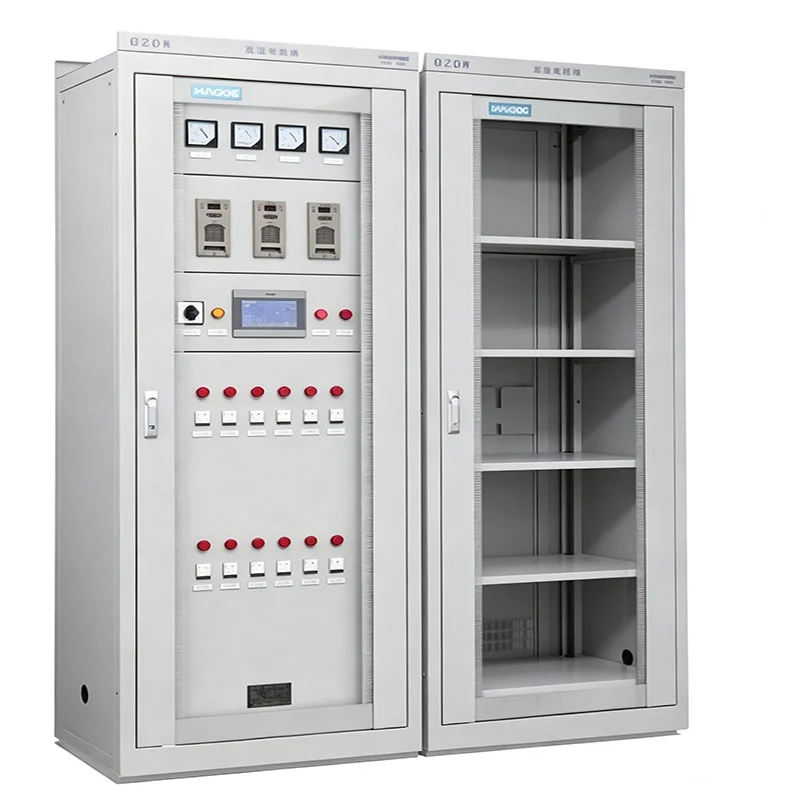
Table of Contents
- What Is a GZDW DC Power Supply Panel?
- How Does the System Work?
- Key Technical Parameters
- How Do Battery Options Affect System Design?
- Why Is Intelligent Monitoring Important?
- Where Is the System Used?
- What Should Buyers Consider Before Selection?
- Manufacturing, Testing, and Quality Assurance
- FAQ
- Conclusion
What Is a GZDW DC Power Supply Panel?
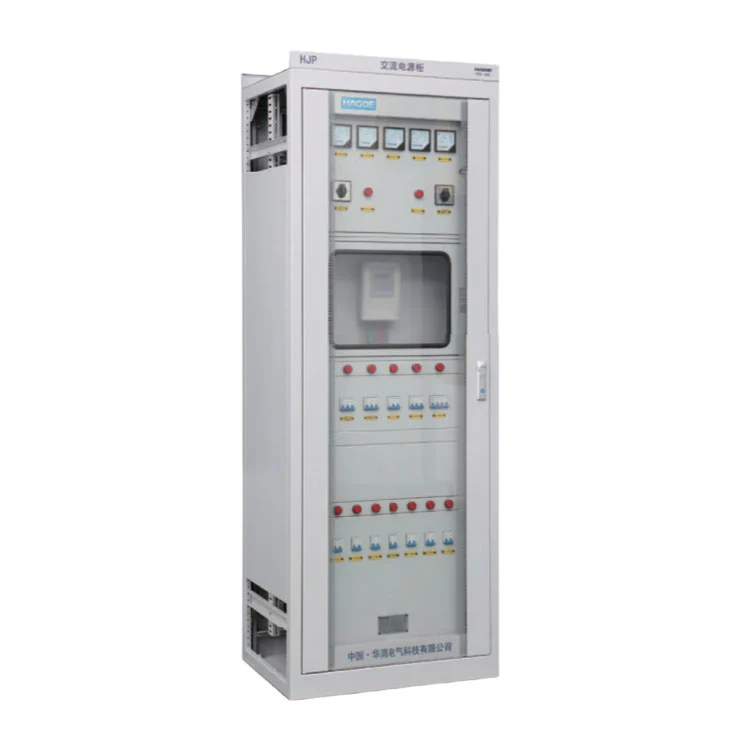
A GZDW system is an integrated DC operating power solution designed to maintain a dependable source of direct current for critical electrical equipment. Instead of functioning only as a battery charger, it can combine rectification, charging management, battery inspection, DC distribution, insulation supervision, alarms, communication, and system monitoring within one coordinated cabinet.
In substations and power plants, DC power is commonly required for relay protection, circuit breaker operation, signaling, automation, and other secondary circuits. If the auxiliary DC system is unavailable, equipment that depends on it may not operate as intended during normal switching or abnormal operating conditions.
The HAGOE configuration supports common DC system requirements including 110V and 220V, while 48V configurations can also be engineered according to project requirements. Battery technologies can include lead-acid, lithium, and Ni-Cd solutions.
How Does the System Work?
A complete DC power system normally includes several interconnected functional sections. Each section performs a specific task while contributing to overall system availability and maintainability.
- AC input and rectification: AC power is converted into regulated DC power through charging modules.
- Battery charging: The system can support charging management functions such as float and equalizing charging.
- Battery backup: The battery bank provides stored DC energy when the normal AC input is unavailable.
- DC distribution: Independent feeder circuits distribute DC power to protection, control, automation, and other loads.
- Insulation monitoring: The system can supervise branch insulation conditions and generate alarms when abnormal conditions occur.
- Intelligent supervision: Operating parameters, alarms, switching states, and historical events can be monitored from an integrated interface.
Modular charging architecture also makes it possible to configure multiple charging modules in parallel. This approach can support redundancy and simplify maintenance compared with a system built around a single charging unit.
Key Technical Parameters
Project requirements vary according to DC load, battery capacity, autonomy time, feeder quantity, communication architecture, and installation conditions. The following specifications represent the available HAGOE platform rather than a universal configuration for every project.
| Parameter | Typical HAGOE Specification |
|---|---|
| Rated Input Voltage | AC 380V ±20% |
| Rated Frequency | 50Hz ±10% |
| Rated DC Output | DC 110V / DC 220V |
| Output Voltage Range | DC 90–130V / DC 180–260V |
| Charging Module Current | 5A, 10A, 20A, or 30A depending on module |
| Monitoring Display | HG-E5 7-inch / HG-E6 10.4-inch |
| Communication Interfaces | RS232 / RS485 / RJ45 |
| Communication Protocols | MODBUS / IEC61850 / CDT optional |
| Historical Records | More than 500,000 fault and operation records |
| Cabinet Dimensions | 800 × 600 × 2260 mm / 2360 mm |
For an EPC or utility project, the final charging capacity, battery capacity, number of feeders, monitoring modules, and cabinet arrangement should be calculated from the actual DC load list and system design rather than selected solely from nominal cabinet specifications.
How Do Battery Options Affect System Design?
Battery selection has a direct influence on backup performance, cabinet arrangement, maintenance planning, environmental adaptability, and lifecycle considerations. A project should therefore evaluate the battery together with the charger and monitoring system instead of treating it as an isolated component.
Lead-Acid Batteries
Lead-acid batteries remain a practical choice for conventional substations and industrial applications because of their mature technology and established maintenance practices. They can be integrated into GZDW systems where conventional battery configurations are appropriate.
Lithium Batteries
Lithium battery solutions can be considered where higher energy density, compact installation, or reduced maintenance requirements are important. Depending on the battery architecture, battery management system integration may also be specified.
Ni-Cd Batteries
Ni-Cd technology can be considered for demanding environments where temperature tolerance and long service life are important design factors. The appropriate solution should be determined from project conditions rather than battery type alone.
Why Is Intelligent Monitoring Important?
Modern DC power systems require more than electrical conversion. Operators also need timely information about charging modules, batteries, insulation conditions, alarms, switching states, and historical events.
HAGOE's HG-E5 and HG-E6 monitoring platforms provide industrial touch-screen interfaces for parameter management, fault analysis, and system supervision. Depending on the configuration, the monitoring architecture can support:
- Charging module status monitoring
- Battery inspection
- Branch insulation monitoring
- Switching status monitoring
- Alarm management
- Historical fault and operation records
- External communication management
RS232, RS485, and RJ45 interfaces are available, while MODBUS, IEC61850, and CDT can be selected according to project requirements. This makes the system suitable for integration into broader power automation or SCADA architectures when the required communication configuration is specified.
Where Is the System Used?
The main purpose of a GZDW DC system is to provide dependable auxiliary DC power where control, protection, and electrical operation cannot rely solely on normal AC power.
Substations and Power Plants
Typical loads include relay protection systems, circuit breaker operating mechanisms, automation equipment, signaling systems, and other secondary circuits. Both 110V and 220V DC configurations can be used for common substation requirements.
Industrial Facilities
Factories, mines, metallurgy facilities, chemical plants, and other industrial sites can require centralized DC power for electrical control and protection equipment.
Transportation Infrastructure
Rail and other infrastructure projects may require centralized DC systems for control, signaling, and communication-related equipment. Modular configuration allows the system to be adapted to project-specific electrical requirements.
Communication and Auxiliary Systems
Applications requiring lower-voltage DC power can be configured with suitable charger and battery specifications, including engineered 48V solutions where applicable.
What Should Buyers Consider Before Selection?
Selecting a DC power panel should begin with the electrical design rather than the cabinet appearance or nominal voltage alone. Procurement teams and EPC contractors should evaluate the complete operating environment.
- DC system voltage: Confirm whether the project requires 48V, 110V, 220V, or another engineered DC architecture.
- Continuous and emergency loads: Calculate the actual DC load and identify critical loads that require battery backup.
- Battery capacity: Determine required autonomy time, battery technology, environmental conditions, and maintenance requirements.
- Charging capacity: Select charger quantity and current rating based on load demand, battery charging requirements, and redundancy.
- Feeder requirements: Confirm the number and protection requirements of outgoing DC circuits.
- Communication: Check whether the project requires MODBUS, IEC61850, CDT, or another interface for integration with the existing automation system.
- Cabinet dimensions: Verify available installation space, cable routing, battery arrangement, and maintenance access.
- Documentation: Provide the supplier with an SLD, load list, battery requirements, communication requirements, and applicable technical specifications whenever possible.
For customized projects, reviewing these factors before quotation helps reduce configuration changes later and allows the supplier to develop a system that matches the actual electrical architecture.
Manufacturing, Testing, and Quality Assurance
Reliability depends not only on individual components but also on how charging modules, protection devices, monitoring units, busbars, batteries, and internal wiring are integrated. HAGOE states that its production process covers cabinet fabrication, electrical assembly, wiring verification, and functional inspection.
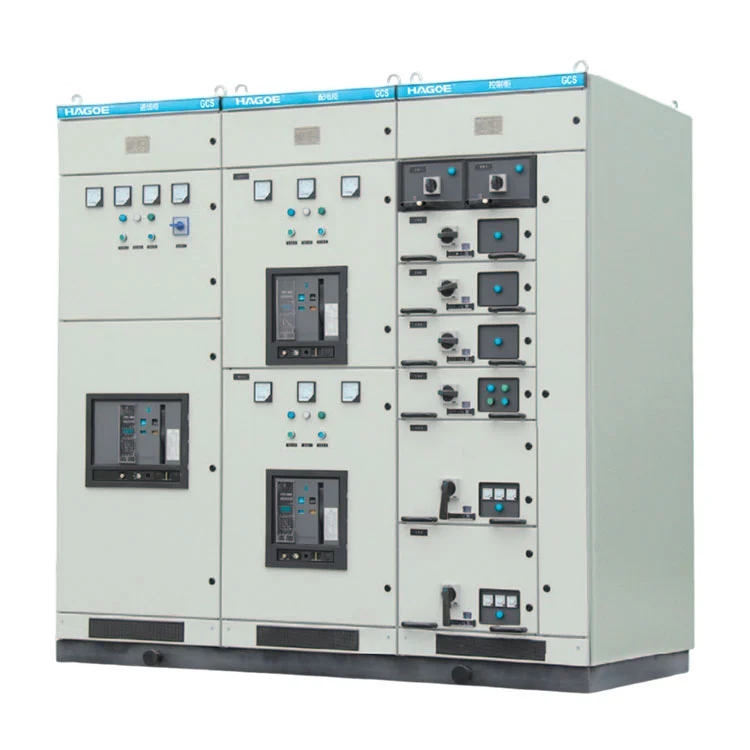
HAGOE Electric Technology Co., Ltd. was established in 2008 in Wenzhou, China, and its product scope includes DC power systems, AC/DC integrated power systems, UPS equipment, switchgear, substations, and related electrical assemblies. Its management systems are certified to ISO 9001:2015, ISO 14001:2015, and ISO 45001:2018.
There is also model-specific testing evidence for the HG-GZDW-200AH/220V configuration. According to HAGOE's published product information, this configuration was type-tested in March 2022 under report JW220252, with testing based on DL/T 459-2017 and GB/T 17626.18-2016. The reported conclusion states that the tested items met the applicable requirements.
Such documentation can be useful during technical evaluation, especially when an EPC contractor or project owner needs traceable information for procurement. Buyers should always verify that the tested configuration corresponds to the actual project configuration being supplied.
FAQ
1. What battery types are available?
The platform can be configured for lead-acid, lithium, and Ni-Cd batteries. Selection should consider DC load, backup time, ambient conditions, maintenance requirements, and project specifications.
2. Can the system support 110V and 220V DC?
Yes. HAGOE's published specifications include DC 110V and DC 220V systems. Engineered 48V configurations can also be considered according to charger and battery requirements.
3. Can a GZDW system be customized for an EPC project?
Yes. Charging capacity, battery configuration, feeder circuits, monitoring modules, communication interfaces, and cabinet dimensions can be configured according to an approved SLD, load list, and technical specification.
4. Can the monitoring system communicate with SCADA?
Communication options include RS232, RS485, and RJ45 interfaces, with MODBUS, IEC61850, and CDT available as protocol options depending on the selected configuration and project requirements.
5. How should charger capacity be determined?
Charger capacity should be calculated from the DC load, battery capacity, required charging time, and desired redundancy. A project-specific load list provides a more reliable basis than selecting a charger solely from nominal cabinet ratings.
6. What information should be provided when requesting a quotation?
Useful information includes DC voltage, load list, battery type and capacity, required backup time, number of DC feeders, monitoring functions, communication protocol, installation dimensions, and the project's SLD or technical specification.
Conclusion
A well-designed DC auxiliary power system supports the continuity of protection, control, automation, and communication functions across substations, power plants, industrial facilities, and infrastructure projects. With configurable DC voltage, multiple battery technologies, modular charging, intelligent monitoring, communication options, and project-based engineering, the GZDW platform can be adapted to different electrical architectures. For project-specific specifications, battery sizing, charger configuration, or EPC/OEM requirements, learn more about the GZDW DC power solution and contact us to discuss your DC load list, SLD, technical requirements, and customized power system configuration with HAGOE.