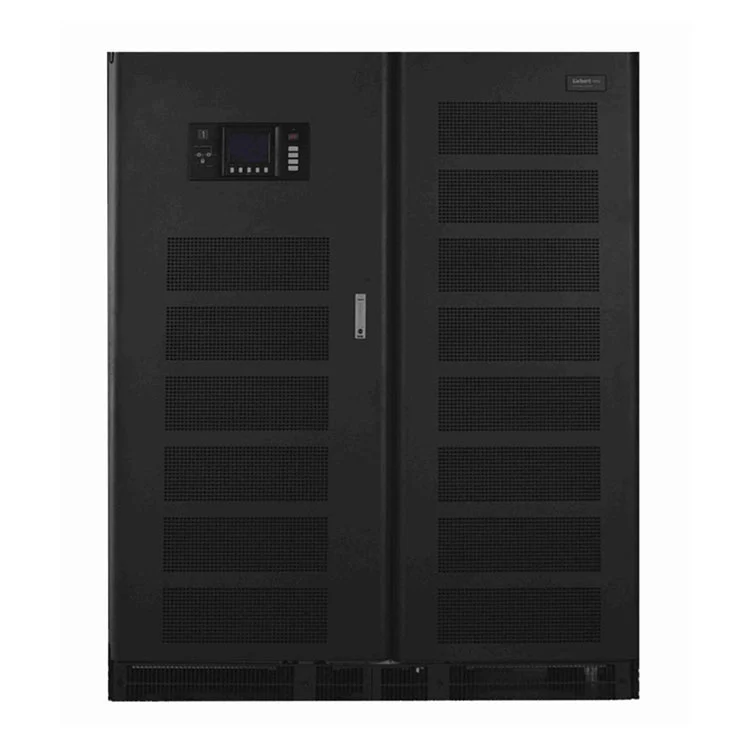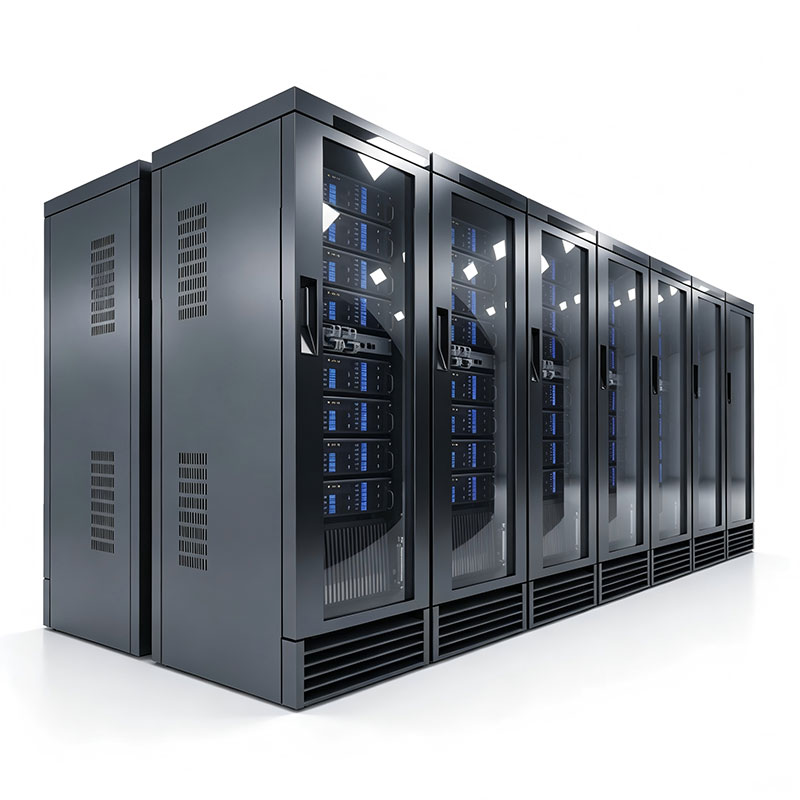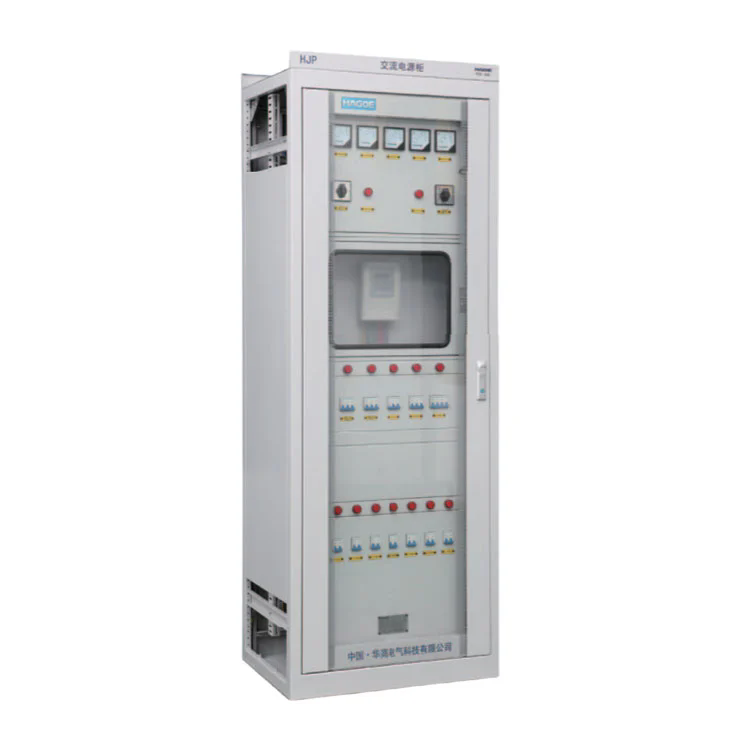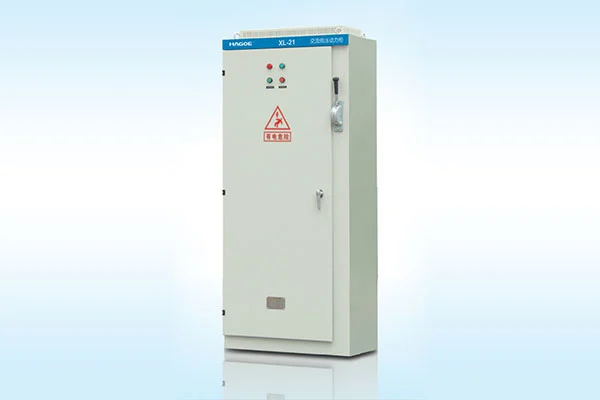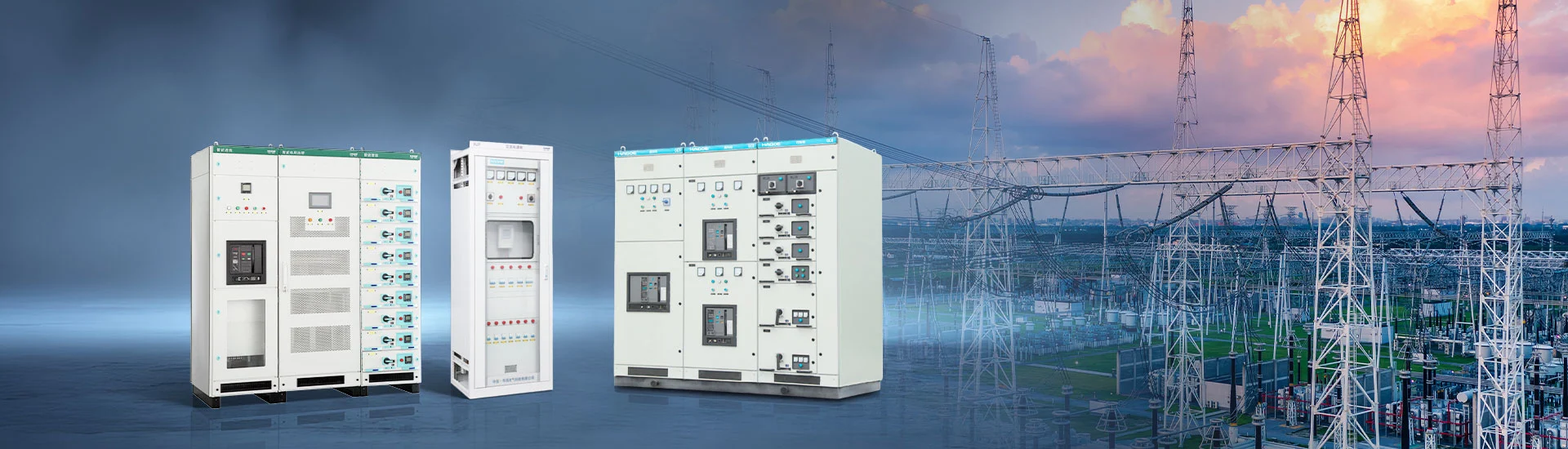
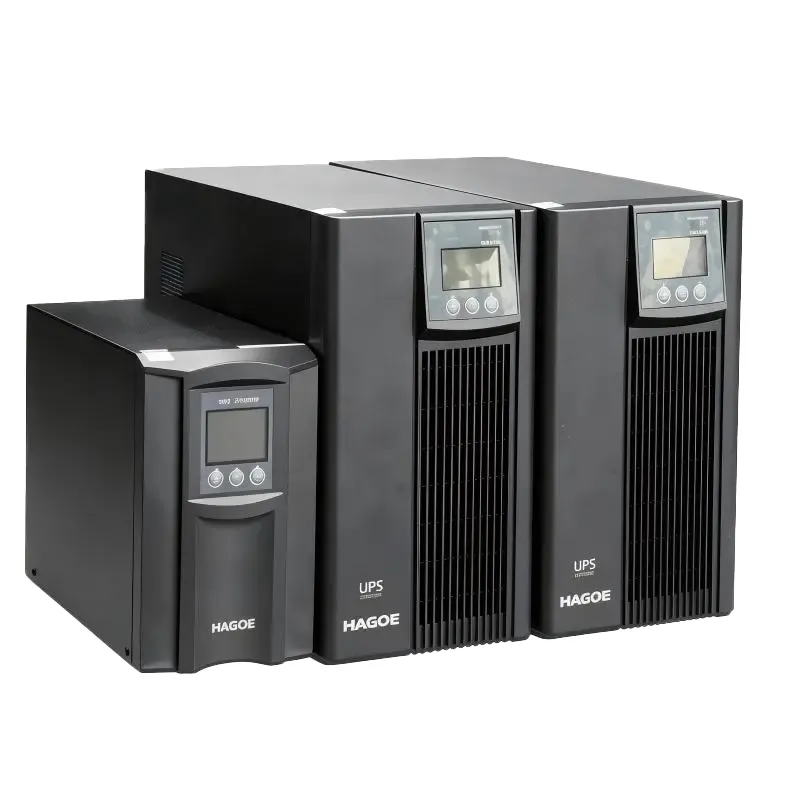
The key difference between an online UPS and a conventional standby UPS is whether the load is continuously supplied through the UPS inverter.
The High Frequency Online UPS uses a double-conversion online topology. Under normal utility conditions, AC input power passes through the rectifier and DC link before being converted back into stable AC output through the inverter. When the utility supply becomes abnormal, the battery continues supplying the inverter without the transfer interruption associated with conventional standby UPS systems.
This architecture is therefore suitable for servers, medical equipment, financial terminals and precision instruments that are sensitive to power-quality disturbances.
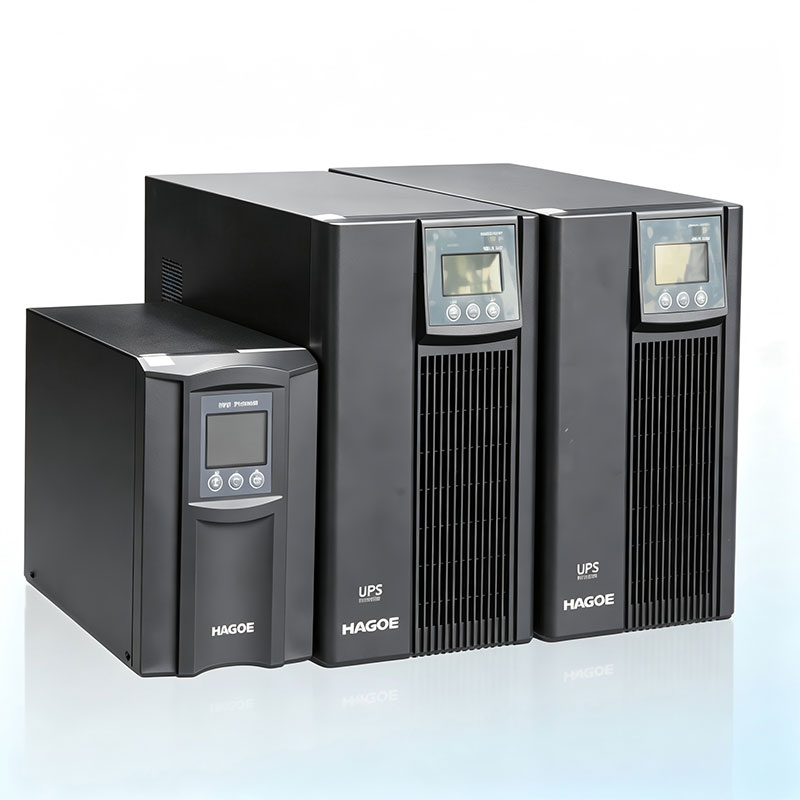
Original Product Information
Power range:
HC 1~10KVA single input and single output
H3C 10~30KVA three input and single output
H3C3 10~100KVA three input and three output
High frequency online type, zero switching time
Original Product Information
Scope of application: Computer data centers, medical equipment, financial and business centers, precision equipment, etc

Original Product Information
The double switching on-line type design, makes the output of UPS a pure sine wave power supply with frequency tracking, phase-locked stable voltage, filtered noise and no interference by power grid fluctuation, so that UPS provides more comprehensive and perfect protection for the users' equipment.
Original Product Information
Microprocessor control is used, directly generating high-frequency pulse width modulation (SPWM) to control the UPS inverter, which simplifies the control circuit of UPS and improves the stability of UPS. Digital controling technology to improve the relability of UPS, machines of more than 5K is built-in output isolating transformers.
Original Product Information
A wide input voltage can avoid switching to battery power frequently due to large changes in the grid voltage, which is suitable for areas with poor power environment. The input frequency range is 45-55Hz, which ensures that all kinds of fuel generators can work stably and satisfy users' requirements for oil machines.
Original Product Information
It has Power-on self-diagnosis function to avoid the risk of failure caused by the hidden problems of UPS. It has multiple function protection of AC input over/under voltage protection, output overload / short circuit protection, inverter overheating protection, battery under-voltage early warning protection, battery overcharge protection and so on, and the stability and reliability of the system operation is greatly guaranteed.
Original Product Information
Through the RS232 interface and UPS intelligent monitoring software, it can communicate with the computer, and the various parameters of UPS can be clearly displayed on the communication interface. SNMP adapters optional, and UPS has remote network management function, to provide instant UPS data and power information, and communicate and manage through various network operating systems.
| Parameter | HC1K / HC1KS | HC2K / HC2KS | HC3K / HC3KS | HC6K / HC6KS | HC10K / HC10KS | HC15KS | HC20KS |
|---|---|---|---|---|---|---|---|
| Rated Capacity | 1000VA / 800W | 2000VA / 1600W | 3000VA / 2400W | 6000VA / 4.8KW | 10KVA / 8KW | 15KVA / 12KW | 20KVA / 16KW |
| Rated Voltage | 220/230VAC optional | 220/230VAC optional | 220/230VAC optional | 220/230VAC optional | 220/230VAC optional | 220/230VAC optional | 220/230VAC optional |
| Rated Frequency | 50Hz | 50Hz | 50Hz | 50Hz | 50Hz | 50Hz | 50Hz |
| Input Voltage Range | When load <70%: 115±5–295±5VAC; When load ≥70%: 160±5–295±5VAC | Same | Same | 176–276VAC | 176–276VAC | 176–276VAC | 176–276VAC |
| Input Frequency Range | 45–55Hz | 45–55Hz | 45–55Hz | 45–55Hz | 45–55Hz | 45–55Hz | 45–55Hz |
| Power Factor | >0.99 | >0.99 | >0.99 | >0.99 | >0.99 | >0.99 | >0.99 |
| Output Isolation Transformer | — | — | — | Built-in | Built-in | Built-in | Built-in |
| Output Voltage Range | 220VAC ±1% | 220VAC ±1% | 220VAC ±1% | 220VAC ±1% | 220VAC ±1% | 220VAC ±1% | 220VAC ±1% |
| Output Frequency Range (Battery Mode) | 50Hz ±0.05% | 50Hz ±0.05% | 50Hz ±0.05% | 50Hz ±0.05% | 50Hz ±0.05% | 50Hz ±0.05% | 50Hz ±0.05% |
| Output Waveform – Linear Load | ≤3% distortion | ≤3% distortion | ≤3% distortion | ≤3% distortion | ≤3% distortion | ≤3% distortion | ≤3% distortion |
| Output Waveform – Nonlinear Load | ≤6% distortion | ≤6% distortion | ≤6% distortion | ≤6% distortion | ≤6% distortion | ≤6% distortion | ≤6% distortion |
| Overload Capacity | 110–150%: 5 min, then switch to bypass; >150%: 30 s, then switch to bypass | Same | Same | 105–130%: 10 min alarm, then switch to bypass; >130%: 1 s alarm and switch to bypass; output closes after 1 min | Same | Same | Same |
| Peak Crest Factor | 3:1 (max.) | 3:1 (max.) | 3:1 (max.) | 3:1 (max.) | 3:1 (max.) | 3:1 (max.) | 3:1 (max.) |
| Battery Voltage | Standard: 24VDC; Extended: 36VDC | Standard: 48VDC; Extended: 72VDC | Standard: 72VDC; Extended: 96VDC | 192VDC; 240VDC optional | 192VDC; 240VDC optional | 192VDC; 240VDC optional | 192VDC; 240VDC optional |
| Switching Time (Mains → Battery) | 0ms | 0ms | 0ms | 0ms | 0ms | 0ms | 0ms |
| Communication Interface | RS232; SNMP optional | RS232; SNMP optional | RS232; SNMP optional | RS232; SNMP optional | RS232; SNMP optional | RS232; SNMP optional | RS232; SNMP optional |
| Operating Temperature | -20°C to +55°C* | -20°C to +55°C* | -20°C to +55°C* | -20°C to +55°C* | -20°C to +55°C* | -20°C to +55°C* | -20°C to +55°C* |
| Relative Humidity | 0–95%, non-condensing | 0–95%, non-condensing | 0–95%, non-condensing | 0–95%, non-condensing | 0–95%, non-condensing | 0–95%, non-condensing | 0–95%, non-condensing |
| Storage Temperature | -20°C to +55°C | -20°C to +55°C | -20°C to +55°C | -20°C to +55°C | -20°C to +55°C | -20°C to +55°C | -20°C to +55°C |
| Altitude | Up to 1,500m | Up to 1,500m | Up to 1,500m | Up to 1,500m | Up to 1,500m | Up to 1,500m | Up to 1,500m |
| Dimensions (W × D × H, mm) | 360 × 147 × 220 | 440 × 192 × 340 | 440 × 192 × 340 | 369 × 190 × 688 | 442 × 190 × 688 | 592 × 250 × 826 | 592 × 250 × 826 |
| Net Weight (kg) | Standard: 8.5; Extended: 11.9 | Standard: 16; Extended: 22.0 | Standard: 18.2; Extended: 27.9 | Standard: 51; Extended: 62 | Standard: 55; Extended: 63 | Please consult us | Please consult us |
| Implementation Standard | YD/T 1095-2000 | YD/T 1095-2000 | YD/T 1095-2000 | YD/T 1095-2000 | YD/T 1095-2000 | YD/T 1095-2000 | YD/T 1095-2000 |
Notes:
| Parameter | HC6KS | HC10KS | HC15KS | HC20KS | HC30KS |
|---|---|---|---|---|---|
| Rated Capacity | 6KVA / 4.8KW | 10KVA / 8KW | 15KVA / 12KW | 20KVA / 16KW | 30KVA / 24KW |
| Rated Voltage | 380/400VAC optional | 380/400VAC optional | 380/400VAC optional | 380/400VAC optional | 380/400VAC optional |
| Rated Frequency | 50Hz | 50Hz | 50Hz | 50Hz | 50Hz |
| Input Voltage Range | 285–475VAC | 285–475VAC | 285–475VAC | 285–475VAC | 285–475VAC |
| Input Frequency Range | 45–55Hz | 45–55Hz | 45–55Hz | 45–55Hz | 45–55Hz |
| Power Factor | >0.99 | >0.99 | >0.99 | >0.99 | >0.99 |
| Output Voltage Range | 220VAC ±1% | 220VAC ±1% | 220VAC ±1% | 220VAC ±1% | 220VAC ±1% |
| Output Frequency Range (Battery Mode) | 50Hz ±0.05% | 50Hz ±0.05% | 50Hz ±0.05% | 50Hz ±0.05% | 50Hz ±0.05% |
| Output Waveform – Linear Load | <3% | <3% | <3% | <3% | <3% |
| Output Waveform – Nonlinear Load | <4% | <4% | <4% | <4% | <4% |
| Overload Capacity | 105%–130%: 10 min, then switches to bypass; >130%: 1 sec alarm, then switches to bypass; output shut down after 1 min. After overload removed, UPS automatically returns to inverter mode. | Same | Same | Same | Same |
| Peak Crest Factor | 3:1 (max.) | 3:1 (max.) | 3:1 (max.) | 3:1 (max.) | 3:1 (max.) |
| Battery Voltage | 192VDC / 240VDC optional | 192VDC / 240VDC optional | 192VDC / 240VDC optional | 192VDC / 240VDC optional | 192VDC / 240VDC optional |
| Switching Time | 0ms | 0ms | 0ms | 0ms | 0ms |
| Communication Interface | — | — | — | — | — |
| Operating Temperature | -20°C to +55°C | -20°C to +55°C | -20°C to +55°C | -20°C to +55°C | -20°C to +55°C |
| Relative Humidity | 0–95%, non-condensing | 0–95%, non-condensing | 0–95%, non-condensing | 0–95%, non-condensing | 0–95%, non-condensing |
| Storage Temperature | -20°C to +55°C | -20°C to +55°C | -20°C to +55°C | -20°C to +55°C | -20°C to +55°C |
| Altitude | Above 1,500m: capacity derating is required | Above 1,500m: capacity derating is required | Above 1,500m: capacity derating is required | Above 1,500m: capacity derating is required | Above 1,500m: capacity derating is required |
| Implementation Standard | YD/T 1095-2000 | YD/T 1095-2000 | YD/T 1095-2000 | YD/T 1095-2000 | YD/T 1095-2000 |
Note: The original image leaves the Communication Interface, Working Environment, and Physical Properties fields blank, so I have not added unsupported specifications.
High Frequency Online UPS capacity selection should be based on the actual load rather than simply the number of devices.
Step 1 – Calculate the Actual Load
First, determine the actual power requirements of servers, network equipment, medical devices, control systems, and other critical loads.
Step 2 – Consider Future Expansion
If there are plans to expand the data center or server room in the future, sufficient capacity should be reserved to avoid running the UPS at full load for extended periods.
Step 3 – Confirm Input and Output Configuration
The HC series is suitable for single-phase input/single-phase output scenarios, while the H3C series supports both three-phase input/single-phase output and three-phase input/three-phase output configurations. For large-scale projects, the input and output modes should be confirmed based on the power distribution system architecture.
Step 4 – Determine Battery Backup Time
UPS rated capacity and battery backup time are distinct parameters. Capacity determines the load the UPS can support, whereas the battery pack primarily determines the duration of power supply during an outage.
Step 5 – Check Generator Compatibility
If the project involves diesel generators or other fuel-powered generation equipment, verify the input frequency and generator output characteristics. This product series supports an input frequency range of 45–55 Hz, making it suitable for generator-powered applications.
For procurement teams, the decision should be based on the actual electrical conditions:
Choose a High Frequency UPS when:
Consider a Low Frequency UPS when:
There is no universal answer that high frequency is always better than low frequency. For a professional UPS selection, HAGOE recommends evaluating the actual load profile, maximum load, nonlinear load percentage, motor starting current, required backup time, generator characteristics, ambient conditions and future expansion capacity before selecting the UPS architecture.
For High Frequency Online UPS projects, HAGOE's engineering team can assist with capacity selection, input/output configuration, battery sizing and customized system design based on the customer's application.
Data centers require high levels of power continuity and power quality. The High Frequency Online UPS uses an online double-conversion architecture to continuously supply critical IT loads with regulated power, while RS232 and optional SNMP communication support remote monitoring.
Medical equipment can be sensitive to power disturbances. The UPS can be applied to medical information systems, precision medical equipment and other critical loads requiring stable backup power and power-quality protection.
Servers, network equipment and data terminals in financial institutions, offices and business centers require continuous operation. The UPS provides battery backup and remote monitoring to help reduce the impact of utility interruptions on business systems.
Voltage fluctuations, electrical noise and power interruptions can affect precision instruments and control equipment. The online UPS architecture provides a regulated power source through double conversion.
HAGOE provides support throughout the procurement cycle rather than only supplying the UPS cabinet.
Pre-sales: technical consultation, product selection, capacity matching, customized solution design, sample testing and tender documentation.
During production: production tracking, quality inspection documentation, logistics coordination and export documentation.
Installation: English installation manuals, remote technical guidance and commissioning support. For larger projects, engineers can participate in on-site installation and commissioning according to the project scope.
After-sales: a 2-year warranty and lifetime maintenance, remote troubleshooting, spare parts supply and technical support are available according to the company's service policy.
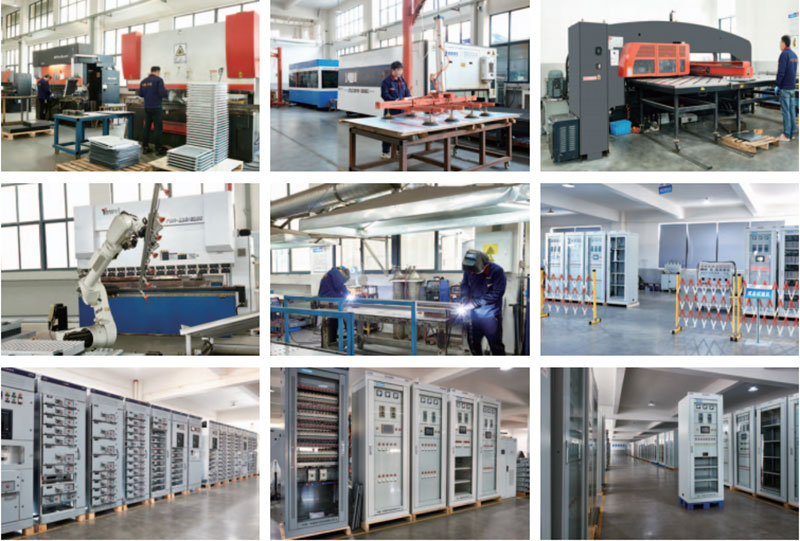
Established in 2008, HAGOE is an electrical equipment manufacturer in Wenzhou, Zhejiang, integrating R&D, design, manufacturing, sales and global service. The company has a registered capital of RMB 51 million, a professional engineering team and a modern production base, with 34+ national patents.
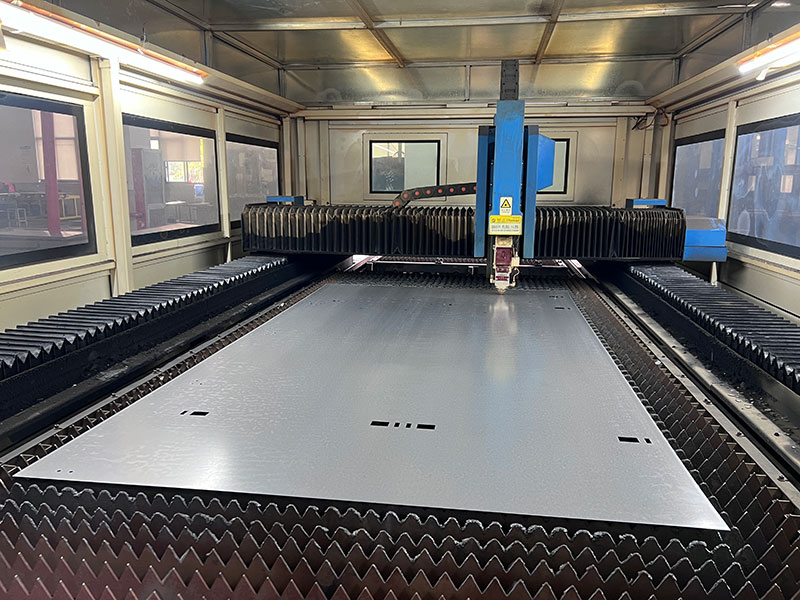
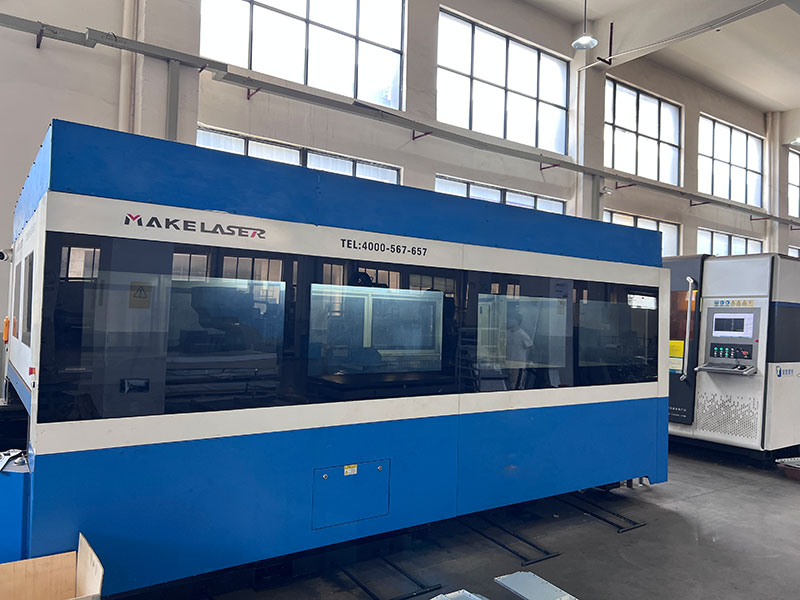
The manufacturing system includes TRUMPF laser cutting machines, AMADA CNC bending machines, automated turret punching equipment, SMT production lines and intelligent aging test systems, together with EMC, IP protection and environmental testing equipment.
HAGOE operates under ISO9001, ISO14001 and ISO45001 management systems. Depending on the applicable product scope, the company maintains CCC, CE, CB and RoHS-related compliance and develops products according to applicable GB and IEC requirements.
An online UPS uses a double-conversion architecture in which the load is continuously supplied through the inverter. A conventional standby UPS normally transfers the load to battery power only when the utility supply becomes abnormal.
Yes. The HC Series is a high-frequency online UPS covering 1–10KVA single-input and single-output configurations.
The H3C Series covers 10–30KVA three-input and single-output configurations and H3C3-10–100KVA three-input and three-output configurations.
Yes. The product specification describes the series as a high-frequency online type with zero switching time.
The specified input frequency range is 45–55Hz, making the system suitable for generator-powered environments. The generator capacity, output stability, and UPS input requirements should still be checked for each project.
Yes. The UPS supports RS232 communication and intelligent monitoring software, while an optional SNMP adapter enables remote network management.
Protection functions include AC input over-voltage/under-voltage protection, output overload/short-circuit protection, inverter overheating protection, battery under-voltage warning, and battery overcharge protection.
Address
No. 908, Niming Road, Kunpeng Street, Wenzhou Marine Economic Development Demonstration Zone, Wenzhou City, Zhejiang Province, China
Tel