Energy Storage Power Supply refers to electrical systems designed to store, convert, and manage energy for later use. They can improve renewable energy utilization, reduce dependence on the utility grid, and provide backup power when the grid is unavailable or unstable.
Unlike UPS systems, which primarily focus on protecting critical loads against power interruptions, energy storage systems place greater emphasis on energy storage, energy conversion, load management, and renewable energy utilization. Energy can be stored when electricity is available and discharged when the load requires it. The system can also be integrated with solar and wind generation to support more independent power supply.
HAGOE Electric Technology Co., Ltd. combines energy storage technology with power electronics, intelligent control, and new energy electrical systems to provide Energy Storage Power Supply solutions for residential, small commercial, remote-area, and off-grid applications.
The current product range includes:
These two product directions address residential energy storage and multi-source renewable energy applications respectively.
The core of an energy storage system is not simply the battery. A complete system involves energy input, energy storage, power conversion, and load management
In a typical application, solar power or grid electricity can serve as the energy source. Excess energy is controlled and stored in the battery, while the stored energy can later be converted and supplied to household or other electrical loads.
For systems integrating solar and wind generation, different energy sources can be coordinated according to actual generation conditions. When solar generation is limited but wind conditions are favorable, wind power can contribute to the energy supply. When renewable generation is insufficient, the system can use stored energy or another configured power source.
For this reason, Energy Storage Power Supply design needs to consider the generation side, storage side, and load side rather than selecting battery capacity independently.
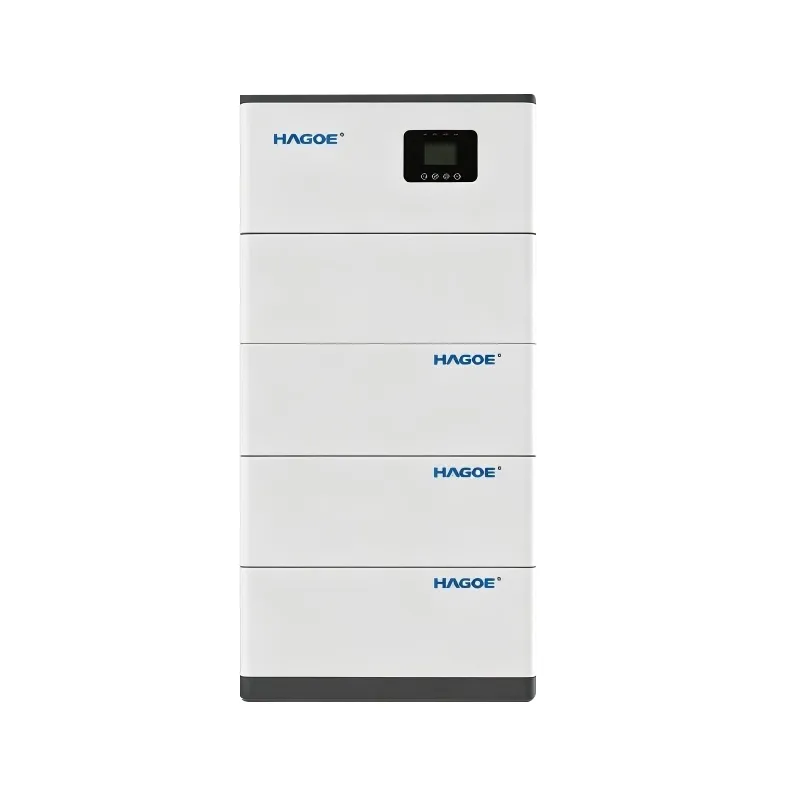
Home Energy Storage Power Supply is designed for residential and small-scale electricity applications. It stores solar or other available energy and supplies electricity to household loads when required.
For homes equipped with photovoltaic systems, stored energy can capture excess solar generation during the daytime and release it during the evening or periods of low solar generation. This can increase the utilization of self-generated renewable energy.
Depending on the system configuration, the energy storage unit can also provide backup power for lighting, communication equipment, household appliances, and other selected loads during grid interruptions.
Residential energy storage should normally be configured according to daily household consumption, electricity tariff structure, photovoltaic capacity, required backup time, and available installation space.
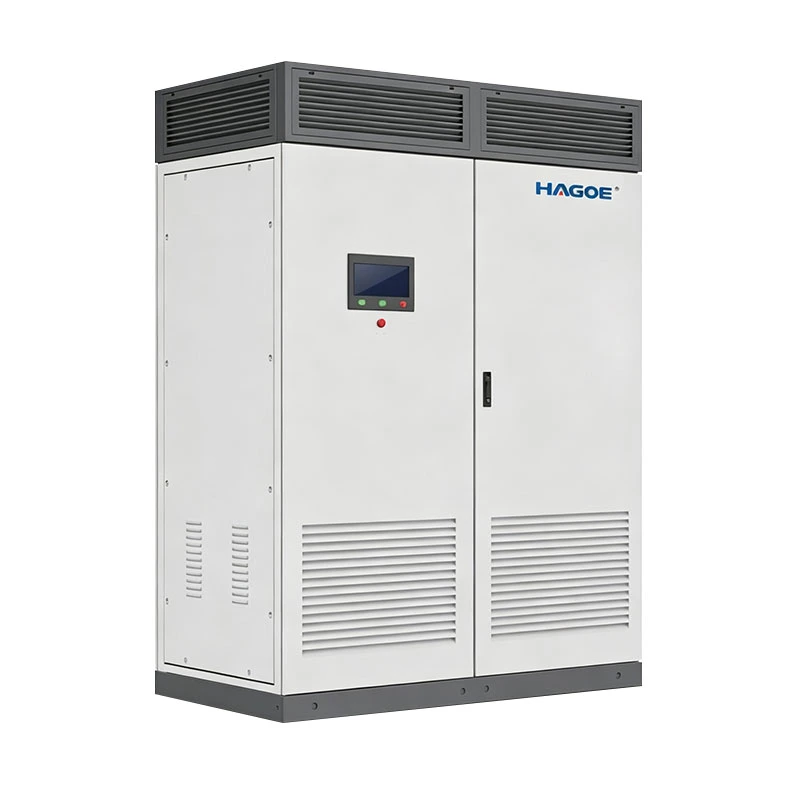
The Solar Wind Energy Storage All-in-one System integrates solar generation, wind generation, energy storage, and power conversion into one system architecture. It is suitable for locations with limited grid access or projects requiring an independent energy supply.
Compared with a solar-only energy storage system, solar and wind resources follow different generation patterns. Solar generation depends mainly on sunlight availability, while wind generation can provide complementary energy during different periods in suitable locations.
Combining both renewable sources with energy storage increases the diversity of energy inputs and can reduce the impact of fluctuations from a single renewable source on overall power availability.
These systems are particularly suitable for remote residences, telecom facilities, monitoring stations, agricultural facilities, small off-grid projects, and other independent power applications.
When photovoltaic or other energy generation exceeds the immediate load demand, the system can store the surplus energy instead of leaving it unused.
During nighttime, cloudy weather, low-wind periods, or other conditions with reduced renewable generation, stored energy can be discharged to support the load.
For hybrid solar-wind systems, multiple energy inputs can reduce dependence on the availability of a single renewable energy source.
Depending on the system architecture and load configuration, energy storage can provide backup power when the grid or another primary power source becomes unavailable.
Energy storage sizing is not simply a matter of choosing the largest possible battery. Proper selection should start with actual energy requirements.
1. Daily Energy Consumption
Determine how much energy needs to be stored and used each day. This provides the basis for estimating storage capacity.
2. Renewable Energy Input
For systems combined with solar or wind generation, local renewable resources and the capacity of the generation equipment should be evaluated.
3. Required Backup Duration
Define whether the system needs to provide several hours of backup or support longer periods of independent operation.
4. Load Characteristics
Lighting, household appliances, motors, telecom equipment, and other loads have different power and starting characteristics and should be evaluated accordingly.
5. Installation Environment
Indoor, outdoor, high-temperature, high-humidity, and remote installations may require different enclosure and protection configurations.
6. Future Expansion
For residential and small-scale projects, future increases in photovoltaic capacity, storage capacity, or electrical loads should be considered during the initial design.
| Application | Typical Energy Storage Requirement |
|---|---|
| Residential | Solar self-consumption and backup power |
| Remote Areas | Independent or off-grid electricity supply |
| Telecom Sites | Backup and renewable auxiliary power |
| Agricultural Facilities | Energy supply for remote equipment |
| Monitoring Stations | Continuous power for communication and monitoring |
| Small Off-grid Projects | Hybrid renewable energy and battery storage |
| Renewable Energy Systems | Energy storage and generation coordination |
HAGOE Electric does not focus only on individual storage equipment. Our product portfolio covers power electronics, power supply systems, and new energy electrical equipment.
With more than 18 years of electrical industry experience, HAGOE's business covers UPS, EPS, intelligent DC power systems, industrial automation, photovoltaic energy storage, and renewable energy distribution equipment. This broader electrical background allows us to approach energy storage projects as integrated power systems rather than focusing only on battery capacity.
For different projects, HAGOE provides:
System Selection : Energy storage solutions based on load and energy requirements.
Configuration Support : Matching storage capacity, energy inputs, and load requirements.
Customized Design : Configuration according to installation conditions, system architecture, and project specifications.
Technical Documentation : Product specifications, installation documents, testing records, and related technical documentation.
Export Support : Export packaging, logistics coordination, documentation, and overseas project support.
If the primary objective is to increase residential solar self-consumption, reduce grid dependence, and provide household backup power, the Home Energy Storage Power Supply is the more appropriate solution.
If the project is located in an area with limited grid access or requires both solar and wind resources for independent power generation, the Solar Wind Energy Storage All-in-one System is a better fit.
HAGOE can help evaluate the appropriate solution according to project load, available energy sources, renewable resource conditions, and required backup duration rather than recommending a system based on storage capacity alone.