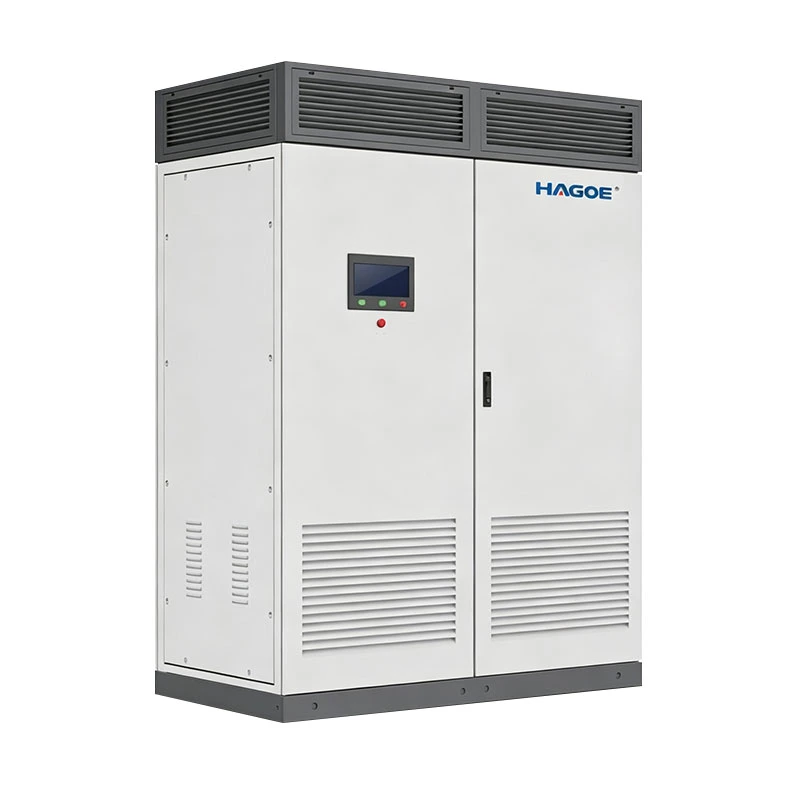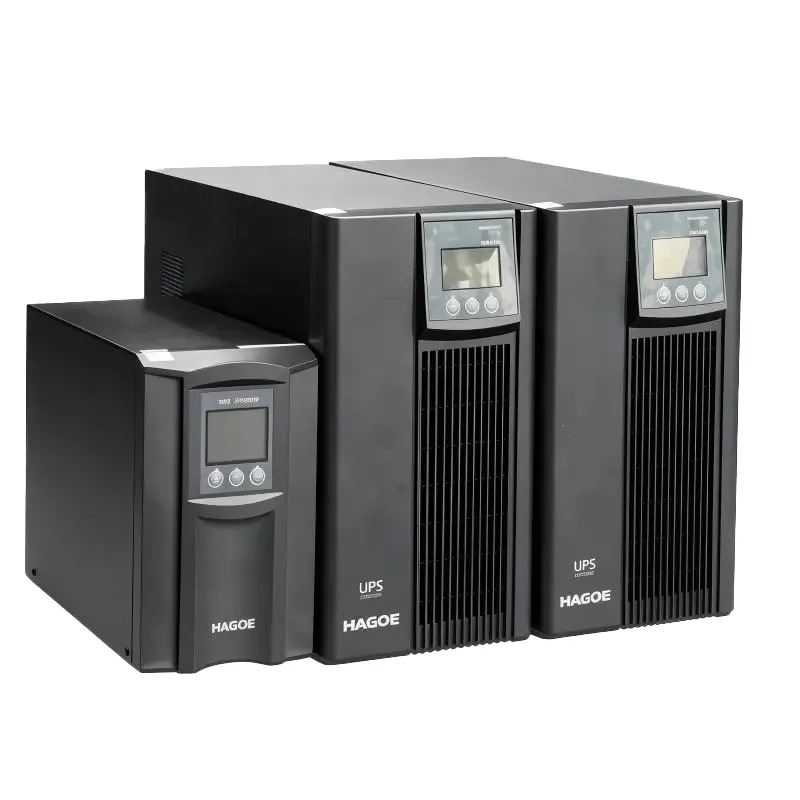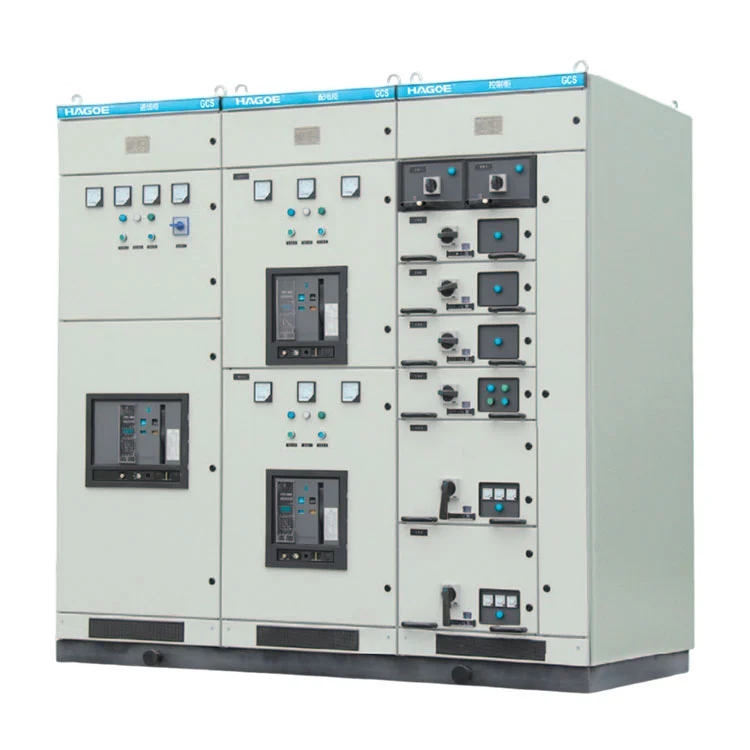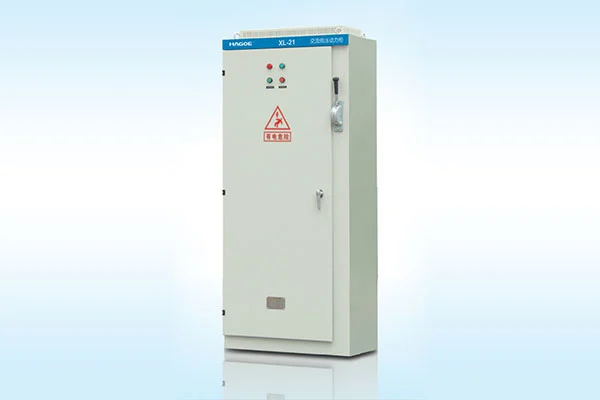
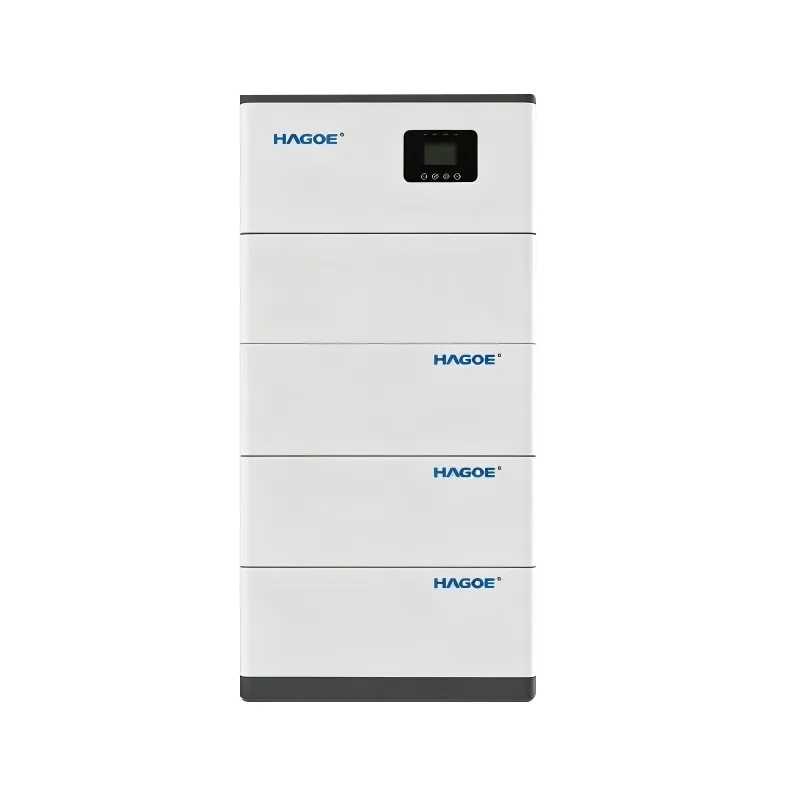
A home energy storage power supply is more than a battery pack. It is an integrated energy system combining battery storage, BMS, power conversion, and EMS energy management.
During the day, excess electricity generated by a solar PV system can be stored instead of being used immediately. The stored energy can then be discharged during the evening, during peak electricity periods, or when the utility grid is unavailable.
A complete residential energy storage system therefore needs to manage three core functions:
Energy Storage → Power Conversion → Energy Management
HAGOE integrates these functions into a modular platform, allowing the system to serve both as a household backup power source and as an intelligent energy management solution.
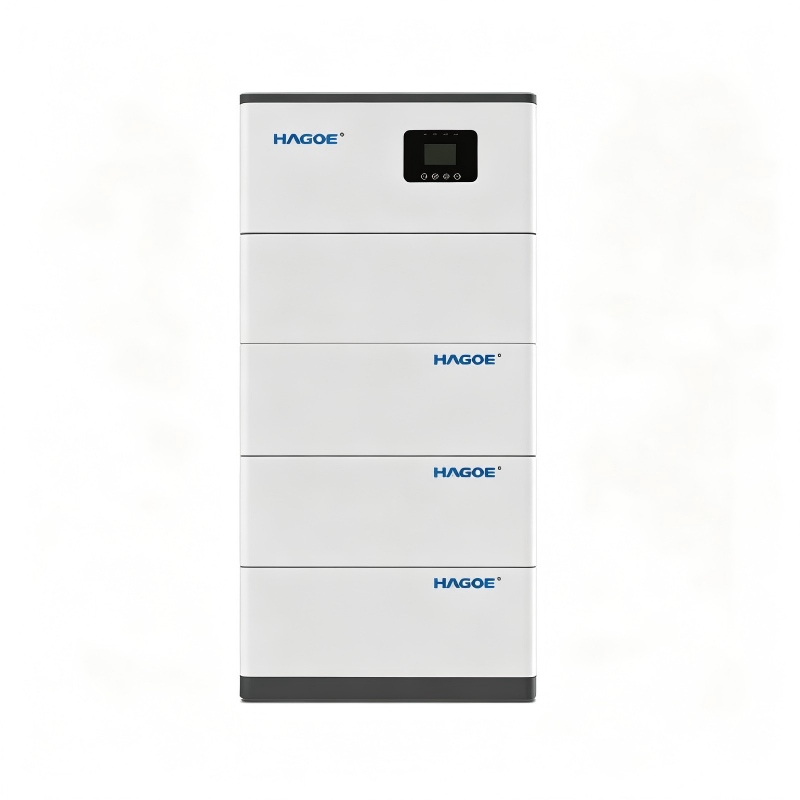
| Model Number | HSP-5kWh | HSP-10kWh | HSP-15kWh | HSP-20kWh |
|---|---|---|---|---|
| Battery Type | Lithium Iron Phosphate (LiFePO₄) | |||
| Battery Capacity | 100Ah/51.2V (5.12kWh) | 200Ah/51.2V (10.24kWh) | 300Ah/51.2V (15.36kWh) | 400Ah/51.2V (20.48kWh) |
| AC Output | 176–270V | |||
| Output Power | Rated power: 3000W | Rated power: 6000W | ||
| Solar Charging Input | 125–500V | |||
| Battery Voltage Range | 40–58V | |||
| Wireless Communication | Supports WiFi/Bluetooth connection with mobile APP | |||
| Communication | RS485 / CAN | |||
| Battery Cycle Life | After 3,000 cycles, remaining capacity > 80% | |||
| Protection Functions | Over-temperature, over-voltage, over-current, over-charge, over-discharge, load short-circuit, overload | |||
| Discharge Temperature | -20°C ~ 50°C (Recommended: 20°C ~ 30°C) | |||
| Charging Temperature | -5°C ~ 50°C (Recommended: 20°C ~ 30°C) | |||
| Storage Temperature | Recommended: 0°C ~ 45°C | |||
| Dimensions (L×W×H) | 637×387×914 mm | 637×387×914 mm | 637×387×1236 mm | 637×387×1397 mm |
| Weight | 118 kg | 169.8 kg | 221.6 kg | 273.4 kg |
Certification Standards
CE, FCC, ROHS
The HAGOE home energy storage system can operate according to the household's energy structure and electricity tariff conditions.
In a typical solar-plus-storage application, solar energy first supplies household loads during the daytime. Surplus PV power is then directed to the battery. During the evening or peak tariff periods, the EMS controls battery discharge according to the configured energy strategy.
When solar generation is insufficient, grid charging can also be used depending on the system configuration.
During a grid outage, the system can switch to backup operation according to the inverter and load configuration, supplying power to designated household loads.
The HAGOE series uses LiFePO4 battery technology with a 51.2V nominal battery platform. Storage capacity can be configured from 5.12kWh to 20.48kWh.
The available configurations include:
| Model | Battery Configuration | Nominal Energy |
|---|---|---|
| HSP-5kWh | 100Ah / 51.2V | 5.12kWh |
| HSP-10kWh | 200Ah / 51.2V | 10.24kWh |
| HSP-15kWh | 300Ah / 51.2V | 15.36kWh |
| HSP-20kWh | 400Ah / 51.2V | 20.48kWh |
The system is specified for ≥80% remaining capacity after 3,000 cycles. Actual service life depends on operating conditions such as depth of discharge, ambient temperature, charging/discharging rate, and energy management strategy.
Store surplus solar energy during the day and discharge it at night to increase household solar self-consumption.
Provide backup power for selected household loads during utility interruptions.
Use EMS-based charging and discharging strategies to reduce grid consumption during high-tariff periods.
Integrate with residential PV generation to coordinate solar production, battery storage, and household loads.
The safety and efficiency of a residential energy storage system depend on more than the battery cells themselves.
The HAGOE system uses the BMS to monitor battery operating conditions, including voltage, current, and protection status. The EMS manages energy flow at the system level and can determine charging and discharging strategies according to PV generation, household demand, battery SOC, and time-of-use electricity rates.
This architecture separates battery protection from system-level energy management, allowing each control layer to perform its intended function.
The system supports RS485/CAN communication and wireless connectivity through Wi-Fi, Bluetooth, and a mobile APP for system monitoring and operation status.
Where significant time-of-use price differences exist, residential energy storage can be used not only for backup power but also for daily energy cost optimization.
A typical operating strategy can be:
Off-Peak Period → Charge
High Solar Production → Store Surplus PV Energy
Evening Peak Period → Discharge
The EMS can be configured to reduce dependence on grid electricity during expensive tariff periods.
Actual economic benefits depend on local electricity tariffs, PV generation, household load profiles, system efficiency, and battery cycling strategy. Therefore, savings should be calculated according to the specific installation rather than presented as a fixed value.
A larger battery is not necessarily a better solution for every home.
A smaller residential system may only need to support lighting, refrigeration, communication equipment, and selected sockets. Larger homes may require additional capacity for air conditioning, pumps, kitchen equipment, and other household loads.
HAGOE uses a modular capacity platform ranging from 5.12kWh to 20.48kWh, allowing the system to be configured according to actual load demand and required backup duration.
System sizing should consider:
Actual Load Power + Critical Loads + Required Backup Time + Usable Battery Capacity + Future Expansion
Battery safety requires protection against different abnormal operating conditions. The HAGOE system incorporates multiple protection functions, including:
over-temperature, overvoltage, overcurrent, overcharge, over-discharge, load short circuit, and overload protection.
These functions address abnormal battery voltage, charging/discharging current, temperature rise, and output-side faults.
For residential energy storage, BMS protection does not replace correct installation and external electrical protection. Appropriate breakers, isolation devices, grounding, and installation practices should be selected according to local electrical requirements.
A home energy storage system should not be selected only by its 5kWh, 10kWh, or 20kWh headline capacity. A better engineering approach is to identify the critical loads first and then calculate the required power and storage capacity.
Typical backup loads may include:
Refrigerator + Lighting + Wi-Fi Router + Security System + Computer + Selected Sockets
If air conditioners, pumps, heating equipment, or other high-power appliances are included, the system must also be evaluated for rated power, starting current, and inverter output capability.
Established in 2008, Hagoe Electric Technology Co., Ltd. is a National High-Tech Enterprise integrating R&D, engineering design, manufacturing, sales, and global service.
With more than 18 years of experience in power electronics, power distribution systems, and new energy electrical equipment, the company has a registered capital of RMB 51 million and holds more than 34 national patents.
HAGOE's new energy portfolio includes PV energy storage systems, solar inverters, intelligent DC systems, and integrated outdoor power systems. The Home Energy Storage Power Supply therefore forms part of a broader electrical engineering and energy management capability rather than being developed as an isolated battery product.
Quality control for an energy storage system must cover the battery, power electronics, and complete system rather than focusing only on individual cells.
HAGOE operates its manufacturing and quality processes under the ISO9001 quality management system, supported by ISO14001 and ISO45001 management practices.
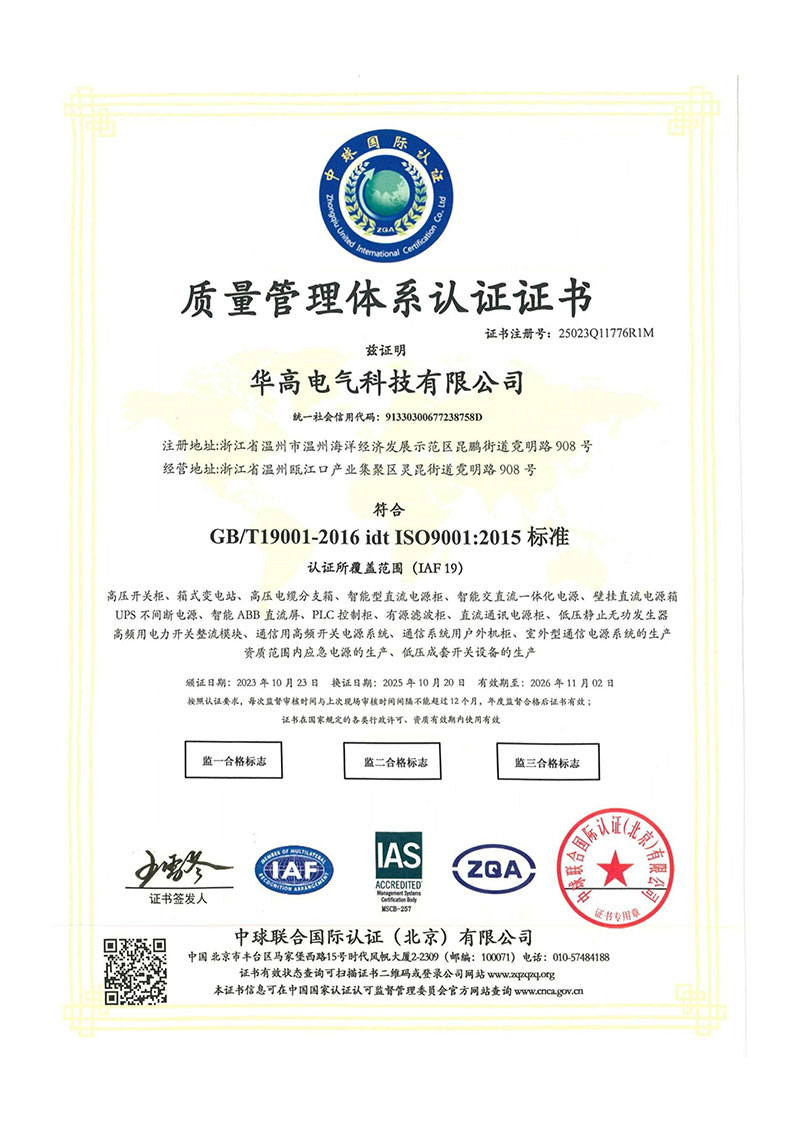
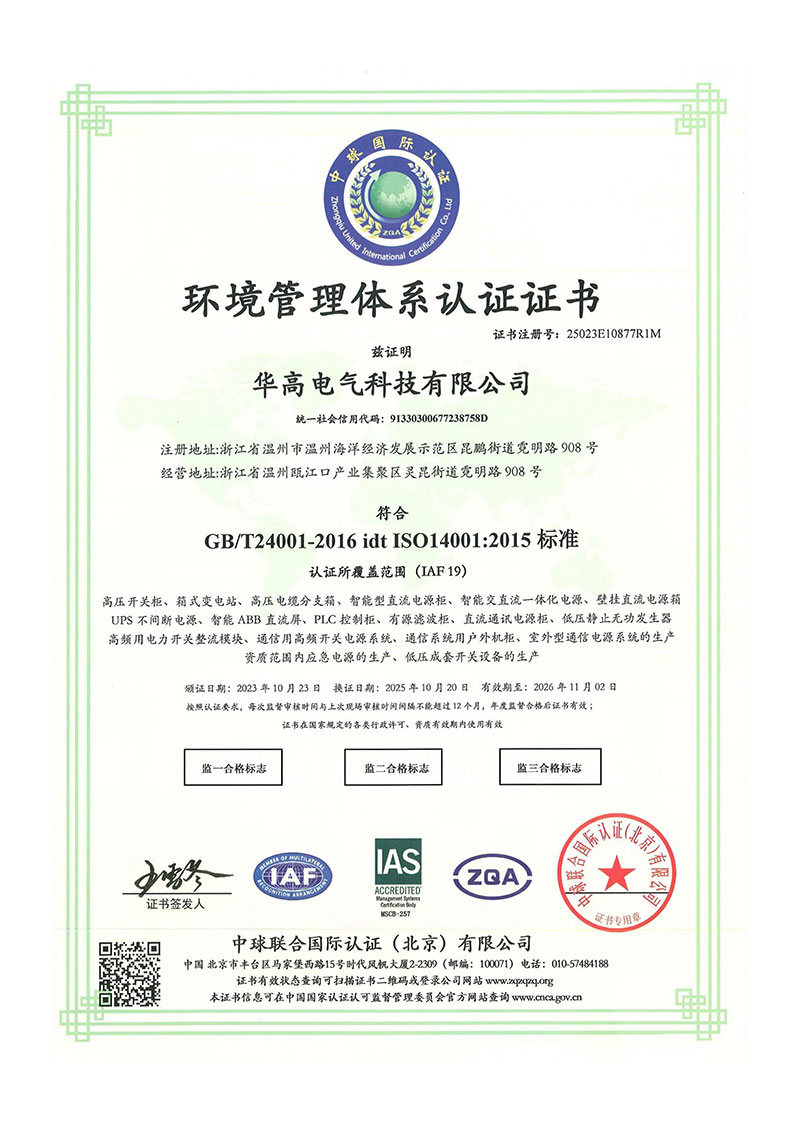
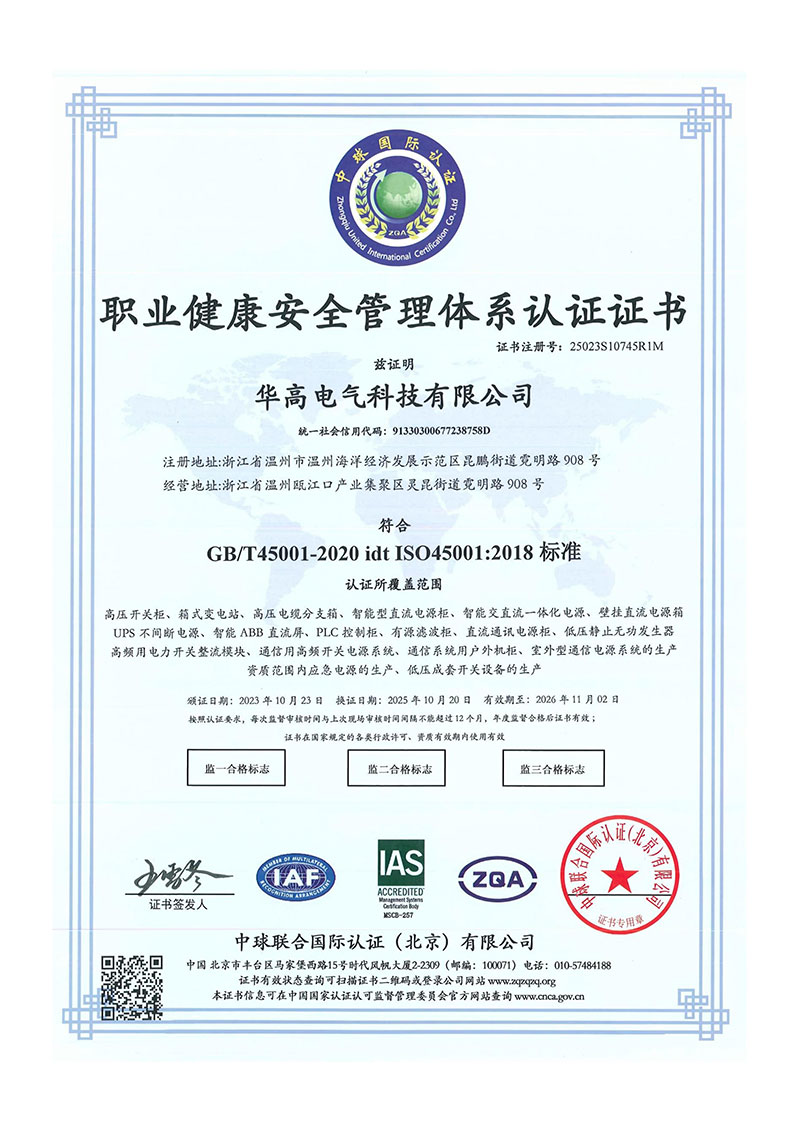
The production process includes:
Incoming Inspection → Battery Module Assembly → BMS Connection and Verification → Electrical Assembly → System Commissioning → Protection Verification → Aging Testing → Final Inspection
For international projects, HAGOE can provide technical specifications, inspection documentation, certification documents, installation manuals, and export documentation according to project requirements.
HAGOE has been engaged in electrical power systems and power electronics since 2008, providing an engineering foundation beyond battery assembly.
The product portfolio covers UPS, intelligent DC systems, solar inverters, PV energy storage, and integrated power systems, allowing HAGOE to understand the interaction between storage, conversion, distribution, and loads.
The 5.12–20.48kWh configuration range allows storage capacity to be matched to different household load profiles.
The integrated BMS provides multiple battery protection functions, while EMS manages system-level energy flow and operating strategies.
HAGOE provides technical selection, customized solution design, documentation, production tracking, inspection documents, installation guidance, and remote technical support for overseas customers.
A battery mainly stores DC electrical energy. A complete home energy storage system also integrates battery management, power conversion, energy management, monitoring, and protection functions. Therefore, the complete system can interact with solar generation, household loads, and the utility grid.
Yes. The system provides a 125–500V solar charging input and can be configured for residential PV energy storage applications. Final PV configuration should be matched to the inverter specifications and local installation conditions.
It depends on the actual load. For example, a theoretical 10kWh energy capacity would correspond to approximately 2kW of average load for five hours before considering conversion losses, usable SOC range, battery protection limits, and other system losses.
Depending on the inverter configuration, the system can be used for grid-charging and backup applications without PV. Solar integration can be added when the system is configured for PV input.
The specified product performance is at least 80% remaining capacity after 3,000 cycles. Actual battery life depends on depth of discharge, operating temperature, charging/discharging rate, and operating strategy.
Address
No. 908, Niming Road, Kunpeng Street, Wenzhou Marine Economic Development Demonstration Zone, Wenzhou City, Zhejiang Province, China
Tel