Abstract: This guide from HAGOE explains how a Home Energy Storage Power Supply works, which battery capacity and output ratings fit real households, how it compares with generators and UPS units, and what to check before buying or specifying one.
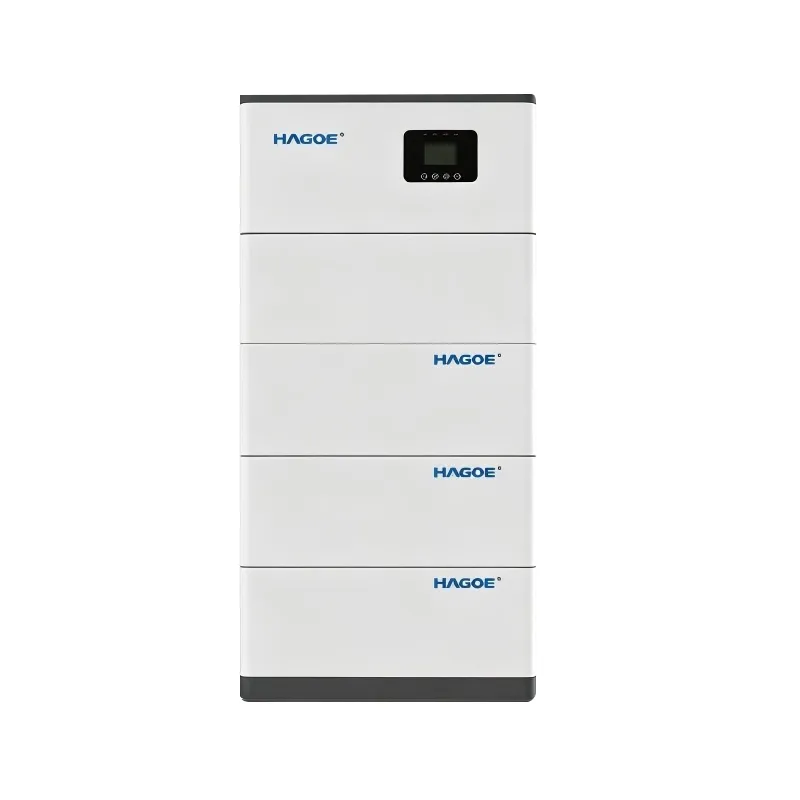
Frequent outages, rising electricity costs, and the growth of rooftop solar have pushed homeowners toward battery-based backup. HAGOE supplies the Home Energy Storage Power Supply category for exactly this shift: no fuel storage, no exhaust, no monthly generator maintenance, and no loud engine starting at 2 a.m. A storage unit simply switches over and keeps selected circuits running.
For households with solar, the value proposition goes further. Excess daytime generation can be stored and used at night instead of exported at a low rate. That turns a storage unit from a pure emergency expense into an asset that improves daily energy economics—provided the unit is sized and configured sensibly.
The core architecture is straightforward: a battery pack, a battery management system (BMS), an inverter to convert DC to AC, and a control system that decides when to charge, discharge, and switch between grid and battery.
Main components:
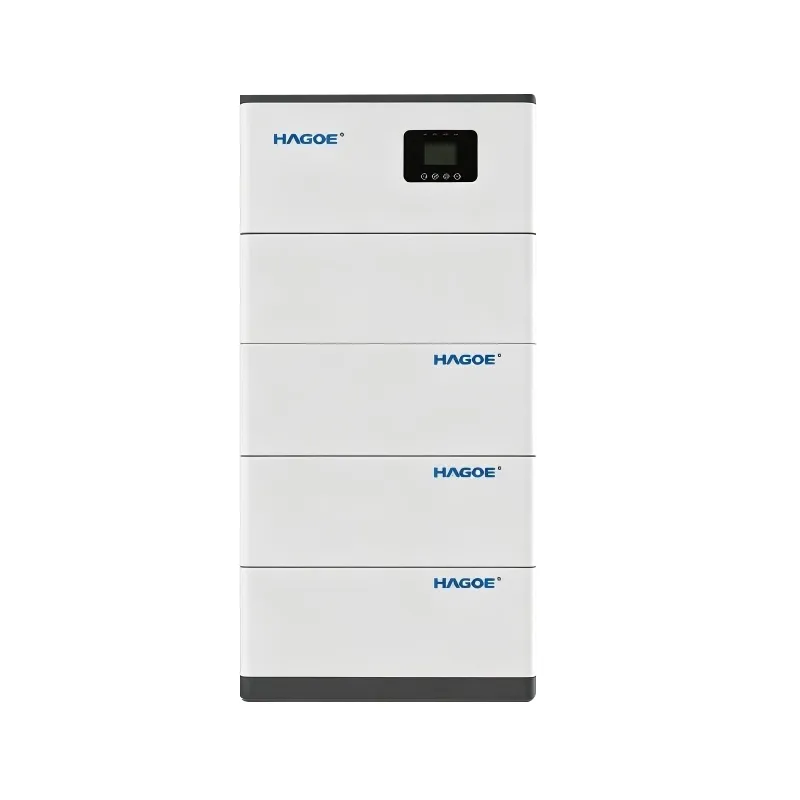
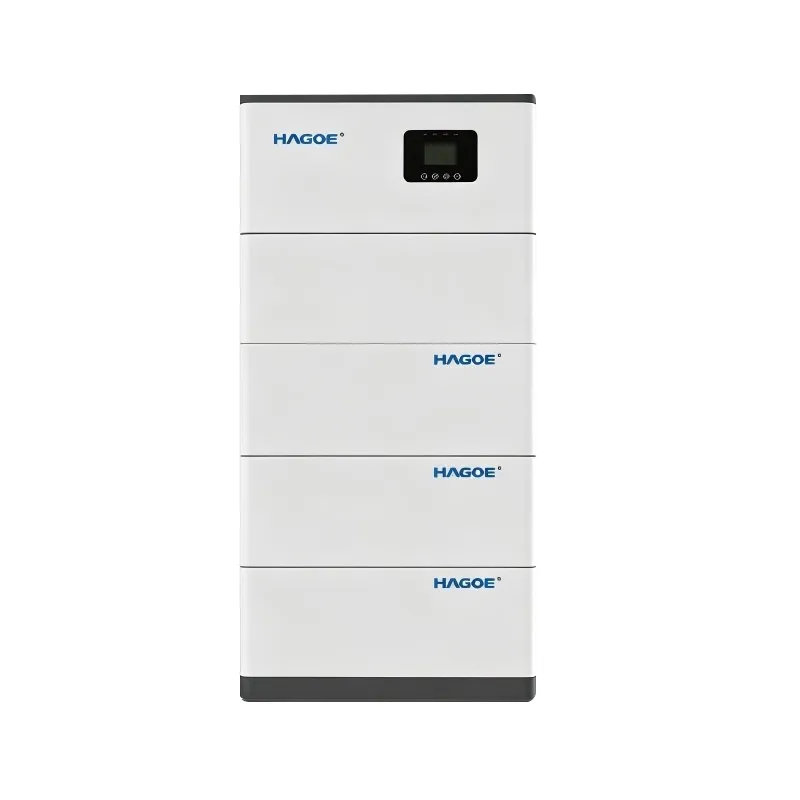
Portable units combine all of these in a wheeled enclosure with standard outlets. Wall-mounted and rack systems separate battery modules from the inverter, which allows capacity expansion later.
Buyers often focus on kilowatt-hours and ignore continuous output, which is the more common limiting factor. A unit with 5 kWh of storage but only 2 kW of continuous output cannot run a 3 kW appliance regardless of battery level.
Sizing steps:
A refrigerator alone commonly consumes 1–2 kWh per day, while lights, router, and charging add modestly. A 3–5 kWh unit with 2–3 kW continuous output covers most essential loads for a day, but whole-home backup demands considerably more capacity and a proper transfer switch installation.
Specifications look similar across listings, so it helps to know which details signal quality.
Display quality and app reliability also matter more than buyers expect. If monitoring is confusing or connectivity drops, users lose confidence in how much backup remains.
The table below positions a home storage power supply against common alternatives.
| Attribute | Home Energy Storage Supply | Fuel Generator | Standard UPS |
|---|---|---|---|
| Runtime | Hours, extendable with extra batteries | Indefinite with fuel supply | Minutes only |
| Noise | Silent in most operating modes | Loud, especially under load | Silent |
| Emissions | None | Exhaust; requires outdoor placement | None |
| Maintenance | Minimal | Oil, filters, fuel stabilization | Battery replacement every few years |
| Solar charging | Supported on many models | No | No |
| Switchover speed | Fast, often UPS-grade | Seconds to minutes | Instant |
| Best for | Essential circuits, solar self-consumption | Extended outages, high loads | Protecting individual devices |
Many households combine approaches: storage for short outages and daily solar use, with a generator reserved for multi-day events where fuel is available.
Battery storage is safe when specified and installed correctly. Key points:
For OEM and distribution buyers, certification documentation should be verified before committing to volume orders, since market requirements differ significantly by country.
Q1: How long can a home energy storage power supply run a house?
A: It depends on battery capacity and the loads connected. A 3–5 kWh unit typically runs essential loads such as a refrigerator, lights, router, and charging for several hours to a full day. Whole-home backup requires far more capacity.
Q2: What is the difference between this and a UPS?
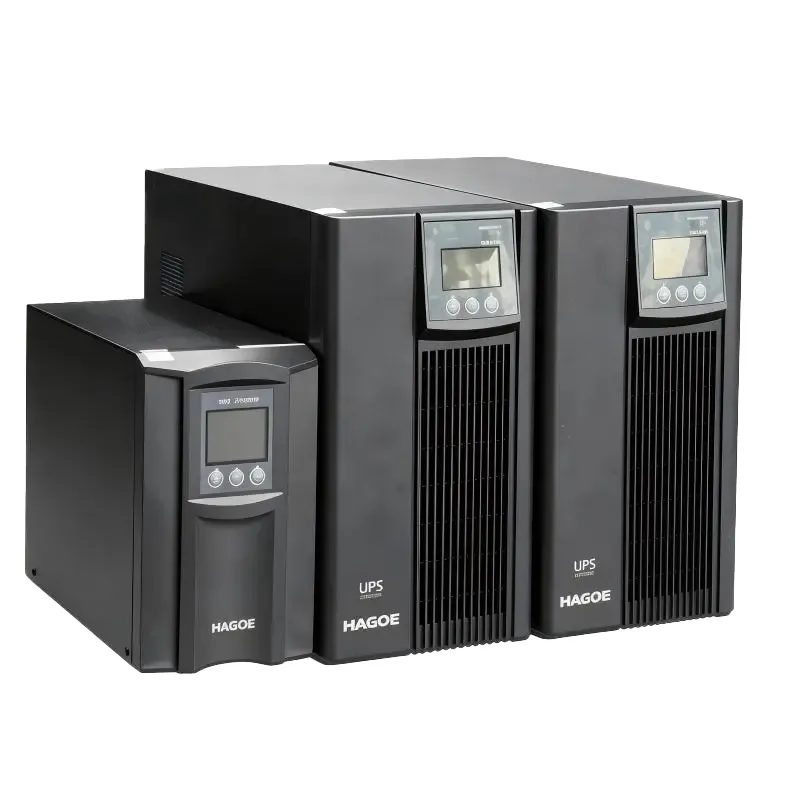
A: A UPS is designed for minutes of runtime to bridge short outages or shut down equipment safely. A home storage supply is built for hours of usable backup and often supports solar charging and expandable capacity.
Q3: Can it be charged by solar panels?
A: Many models include solar input with MPPT charging. Confirm voltage and current input limits before connecting panels.
Q4: Is LiFePO4 better than other lithium chemistries?
A: LiFePO4 generally offers better thermal stability and longer cycle life, which suits stationary home backup well. It is slightly heavier and less energy-dense than some alternatives.
Q5: Can I expand capacity later?
A: Modular systems allow additional battery modules, but compatibility, BMS limits, and inverter capacity must be confirmed with the supplier.
Q6: What certifications should I check?
A: Requirements vary by market. Ask the supplier for the safety and grid-compliance documentation applicable to your destination country before ordering.
Q7: What information does a supplier need to quote?
A: Target capacity, continuous and peak output, AC input and output voltage, solar input needs, enclosure type, certification requirements, quantity, and destination market.
A home storage supply is a long-term purchase, and the difference between a reliable unit and a frustrating one usually comes down to details: real continuous output, honest cycle-life data, proper protection circuitry, and documentation that satisfies local requirements. HAGOE works with distributors, installers, and OEM partners on home energy storage power supplies alongside AC power supplies, DC power supply panels, and uninterruptible power supply sourcing. Share your target capacity, output requirements, certification needs, and destination market, and our team will help you match the right configuration and discuss OEM cooperation and technical support. contact us today with your project details, and we will respond with specifications and pricing—contact us now to move your home energy storage plan forward.