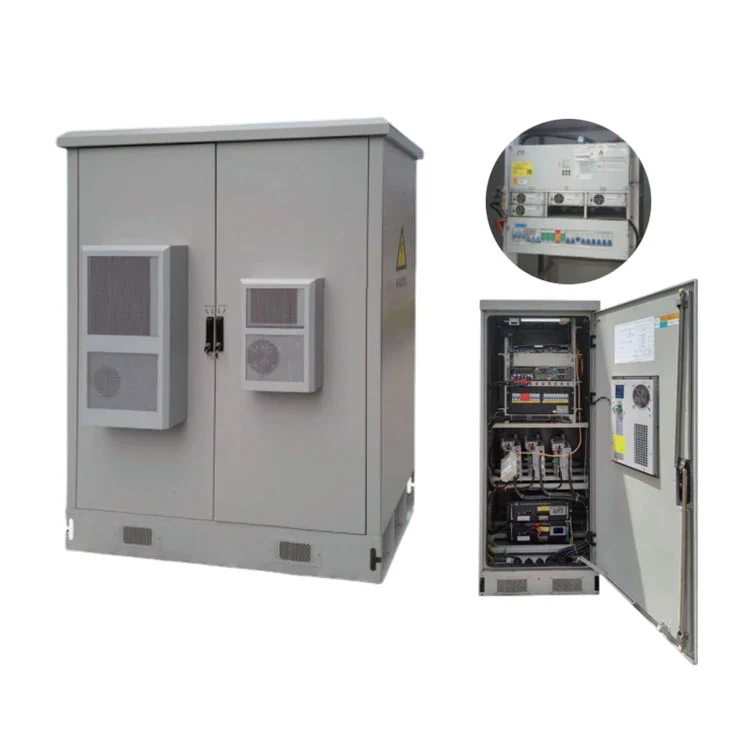
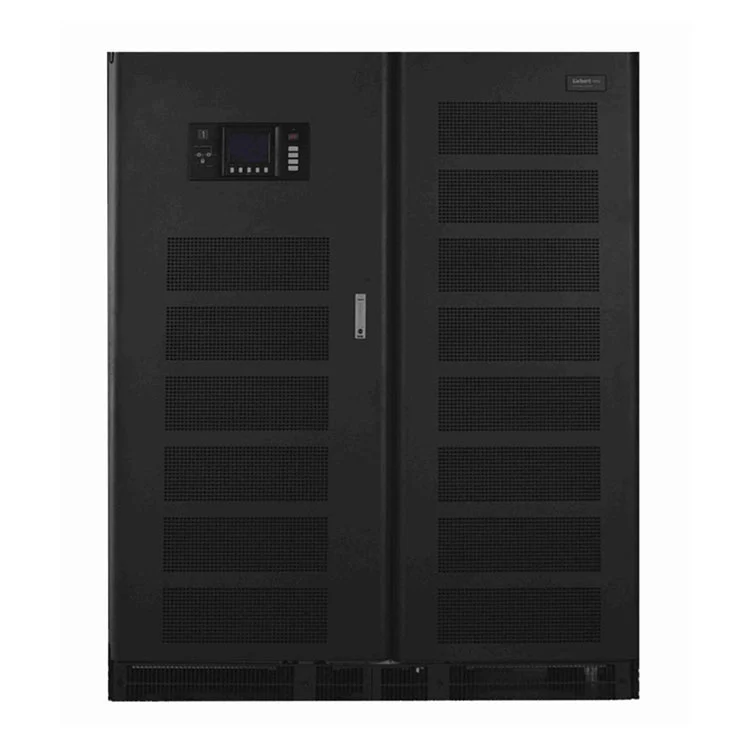
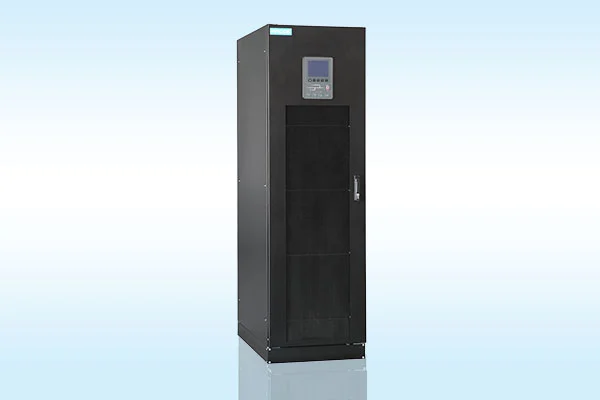
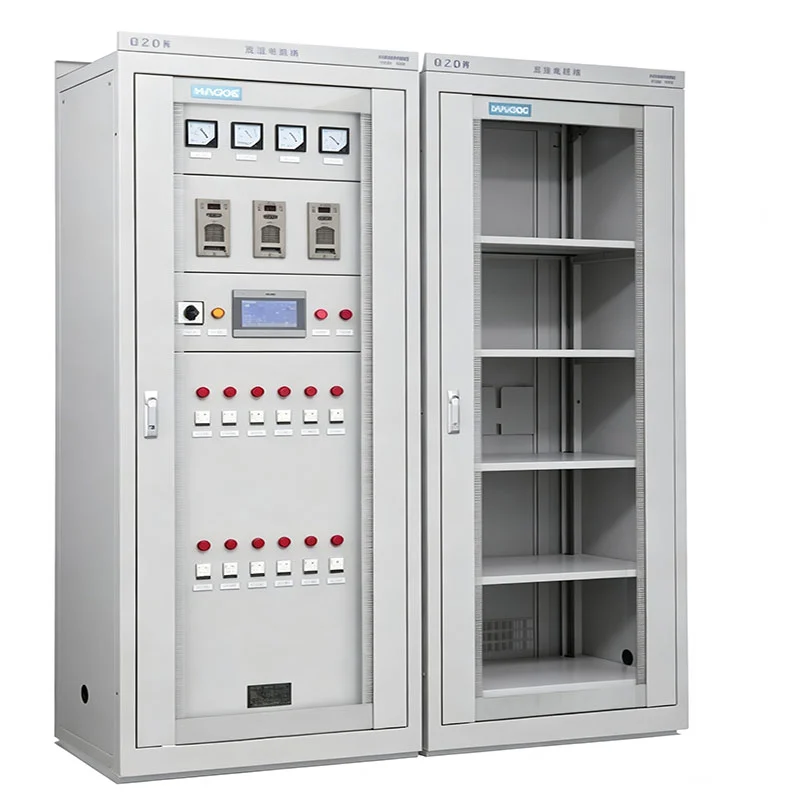
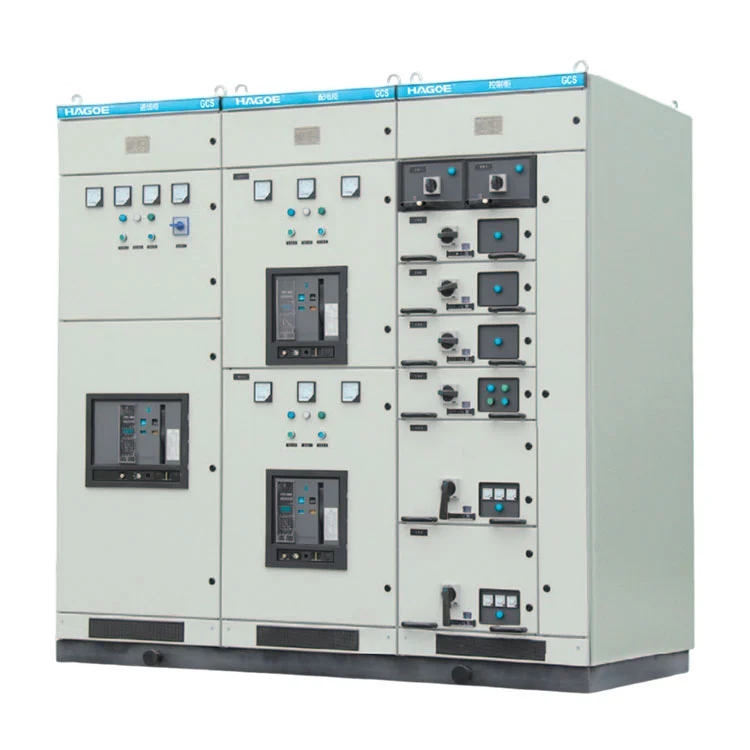
As substation automation continues to advance, the stability of DC power supply systems has become increasingly important to the power industry. Whether in power transmission and distribution projects, substations, or industrial power plants, critical equipment such as protection relays, circuit breaker operating mechanisms, and monitoring systems all rely on a stable DC power supply. In the event of an AC power failure, the DC system must immediately take over to ensure uninterrupted operation of essential equipment.
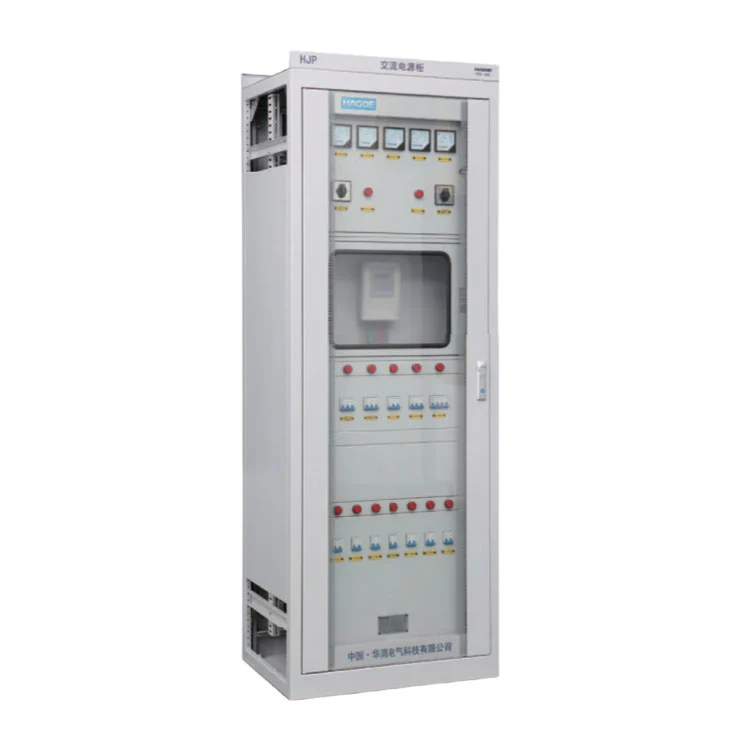
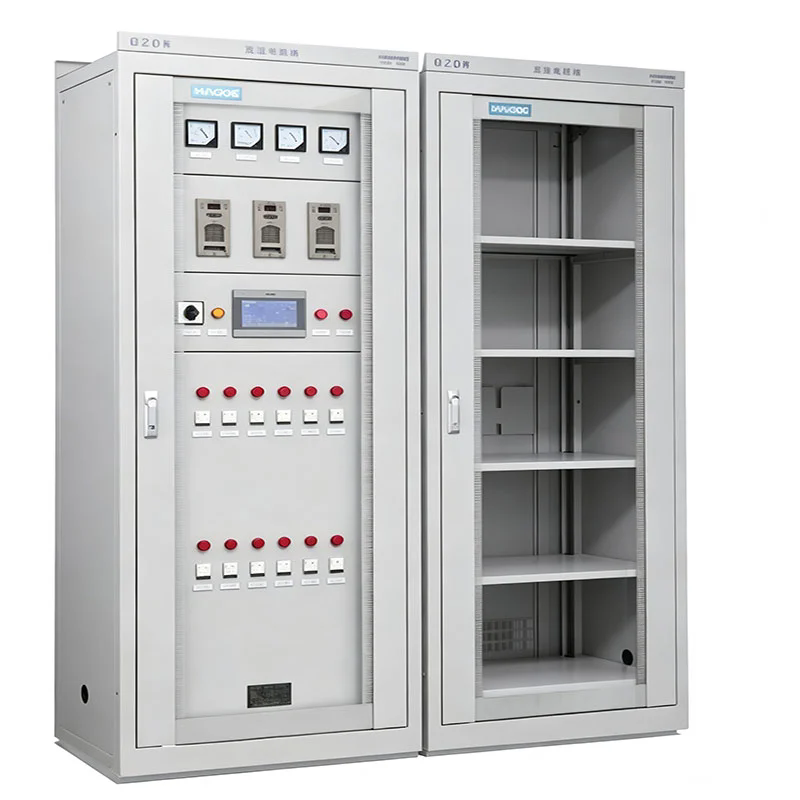
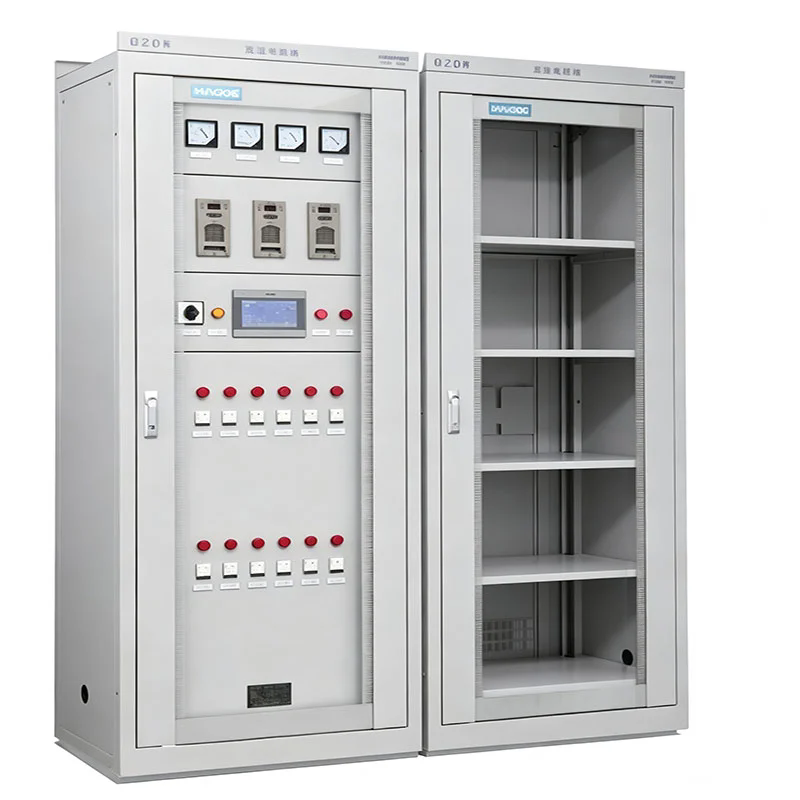
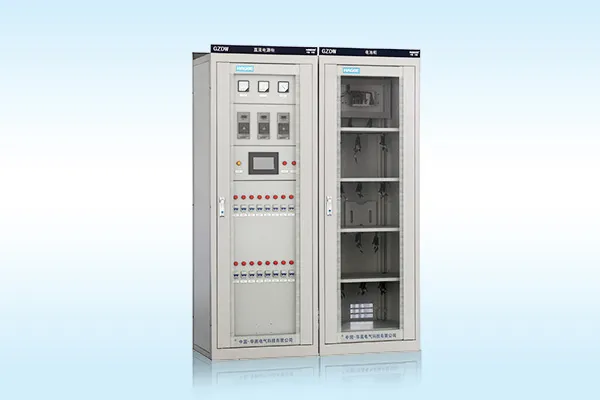
Among various DC power solutions, the GZDW Lead-Acid DC Power Supply Panel remains one of the most widely adopted configurations for power projects, particularly in substations rated at 110 kV and below, as well as in industrial power distribution systems.
Why Lead-Acid Battery Systems Continue to Be Widely Used
Although lithium batteries have gained increasing attention in the energy storage sector in recent years, lead-acid batteries continue to be widely used in substation DC power systems for several reasons:
Proven and mature technology with extensive operational experience.
Lower initial investment, making them suitable for most conventional projects.
High compatibility with existing GZDW DC power systems, simplifying system upgrades.
Well-established maintenance standards and readily available spare parts.
Reliable performance under both high- and low-temperature operating conditions.
For many power grid renovation projects, continuing to use lead-acid battery systems helps reduce overall upgrade costs while minimizing modifications to existing equipment.
Higher Requirements for DC Power Supply Reliability
In recent years, power utilities have placed greater emphasis on the operational reliability of DC power systems rather than simply ensuring stable output voltage.
Modern GZDW DC power supply panels are generally expected to provide the following functions:
Automatic switching between dual AC input sources.
Redundant operation of high-frequency switching rectifier modules.
Automatic float charging and equalizing charge management.
Battery inspection and capacity monitoring.
DC bus insulation monitoring.
Fault alarms and event recording.
Remote communication via RS485, Modbus, and other industrial communication protocols.
These functions enable maintenance personnel to detect battery aging, insulation deterioration, and module abnormalities at an early stage, reducing the risk of unexpected power outages.
Battery Management Becomes Increasingly Important
In actual operation, many DC power system failures are caused not by rectifier modules, but by battery capacity degradation resulting from insufficient maintenance.
As a result, more projects are placing greater emphasis on battery management, including:
Regular consistency checks of individual battery voltages.
Automatic temperature-compensated charging.
Battery internal resistance testing.
Battery capacity evaluation.
Early warning of abnormal battery conditions.
Effective battery management not only extends battery service life but also reduces safety risks associated with unexpected power failures.
Modular Design Simplifies Maintenance
Compared with traditional fixed-configuration DC cabinets, today's mainstream GZDW Lead-Acid DC Power Supply Panels generally feature a modular design.
Rectifier modules, monitoring units, and distribution modules can all be replaced independently, allowing maintenance to be completed without shutting down the entire system or with only minimal downtime. This significantly shortens repair time.
For substations operating continuously over many years, modular architecture helps reduce long-term maintenance costs while improving overall system availability.
Future Development Focuses on Intelligent Monitoring
As digital substations continue to evolve, DC power supply systems are gradually moving toward intelligent operation and management.
Future GZDW DC power systems are expected to place greater emphasis on:
Online operating status monitoring.
Cloud-based remote operation and maintenance.
Predictive fault analysis.
Battery State of Health (SOH) evaluation.
Integration with substation automation systems.
These capabilities enable maintenance teams to identify potential risks in advance, improving both the safety and operational efficiency of the entire power system.
Conclusion
For substations, power plants, and industrial power distribution facilities, a stable and reliable DC power supply remains the foundation for safe and continuous equipment operation. With its mature technology, proven reliability, and comprehensive maintenance support, the GZDW Lead-Acid DC Power Supply Panel is expected to remain a widely used solution for many years, while continuing to evolve toward intelligent monitoring and digital management.
We use cookies to offer you a better browsing experience, analyze site traffic and personalize content. By using this site, you agree to our use of cookies. Privacy Policy