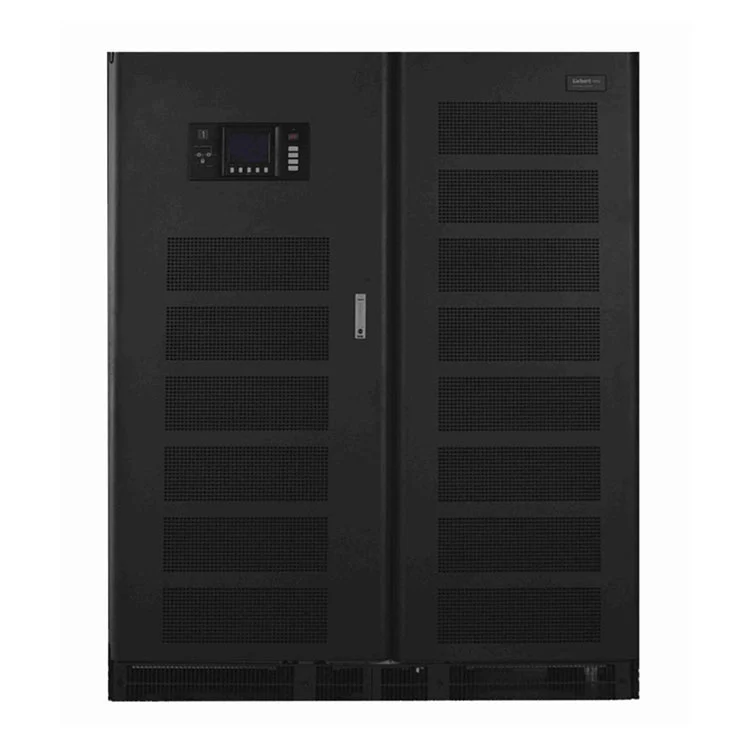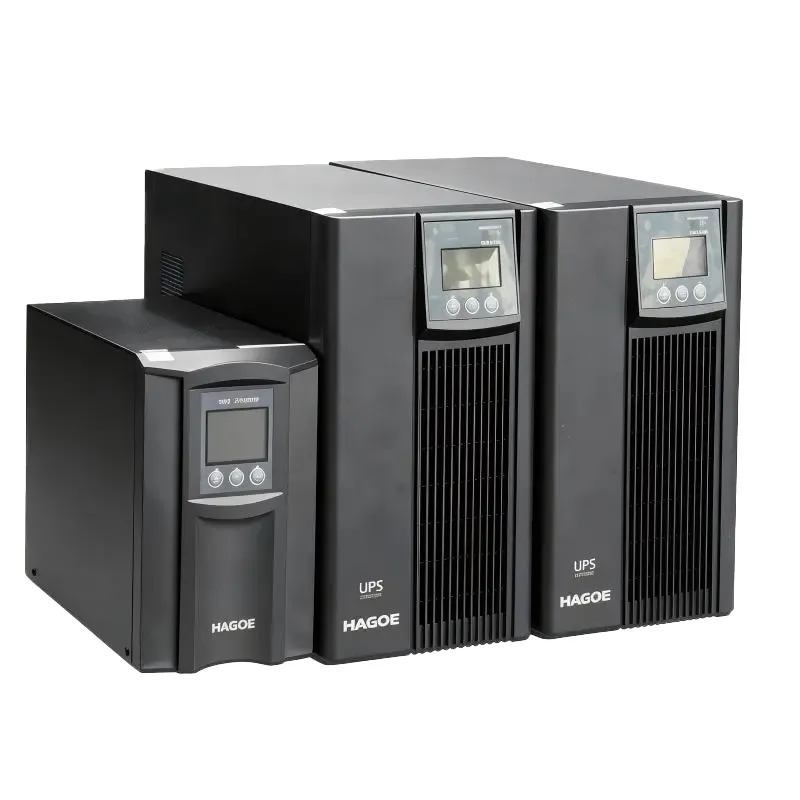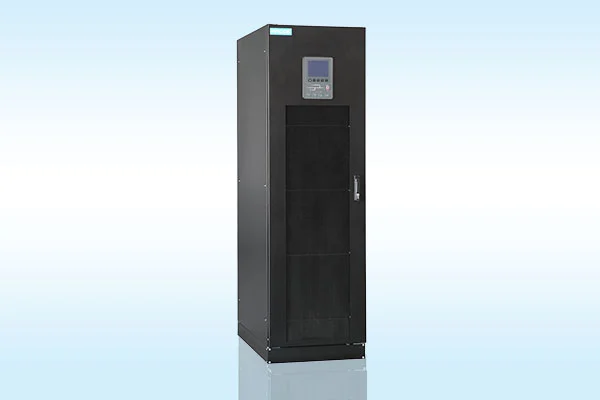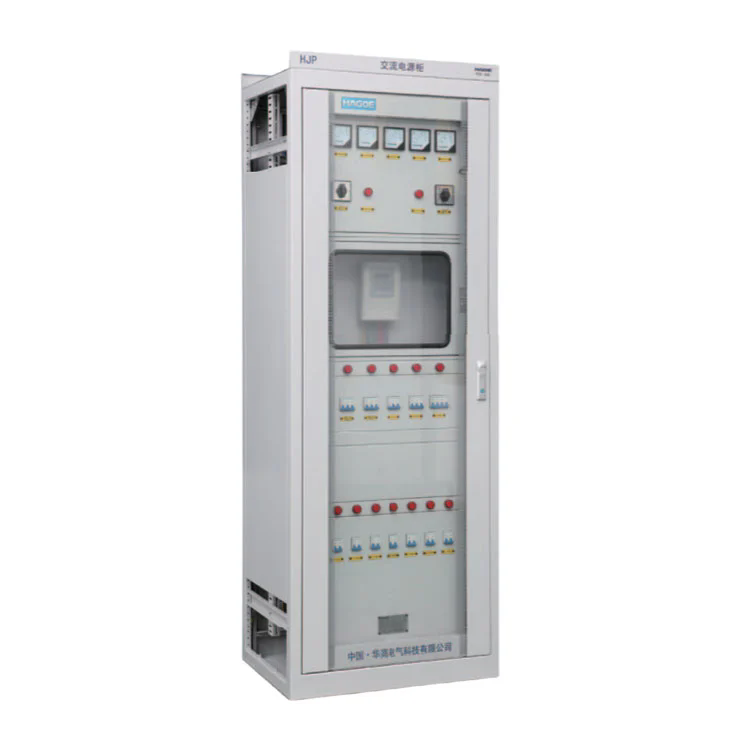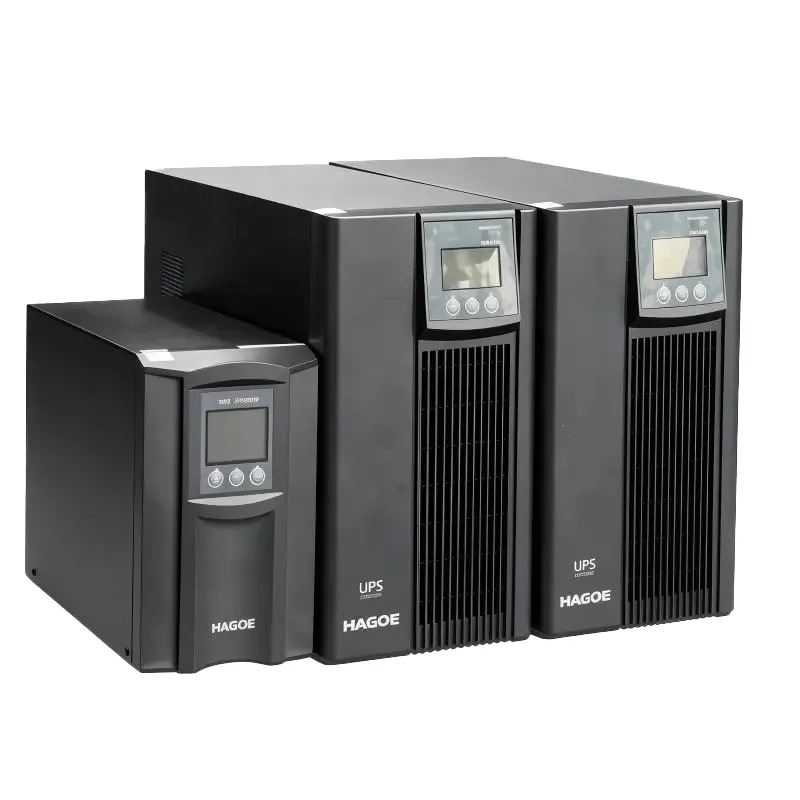
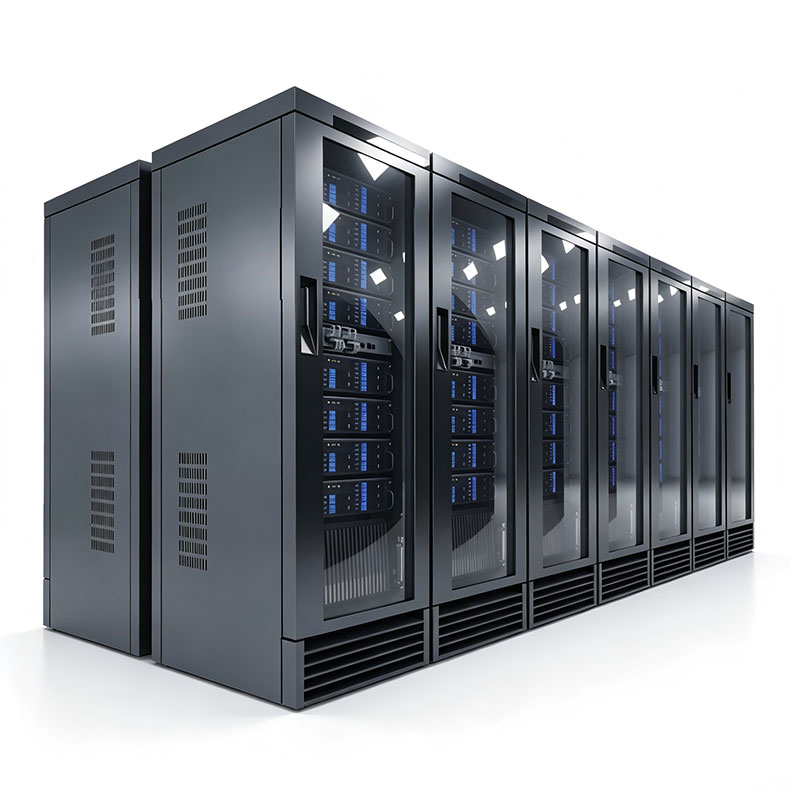
The difference between a modular UPS and a traditional tower-type UPS is not simply the cabinet design. It involves a different approach to capacity configuration, redundancy and maintenance.
A conventional UPS is normally configured as a complete power unit. When the load increases, the user may need to add another UPS system or replace the existing unit with a larger model. A modular UPS integrates power modules, control systems and related functions into an expandable architecture, allowing capacity to be configured according to the current load and future expansion plan.
For data centers and communication rooms, this can change UPS procurement from sizing the entire system for future maximum demand at the beginning to expanding capacity progressively as the actual load increases.
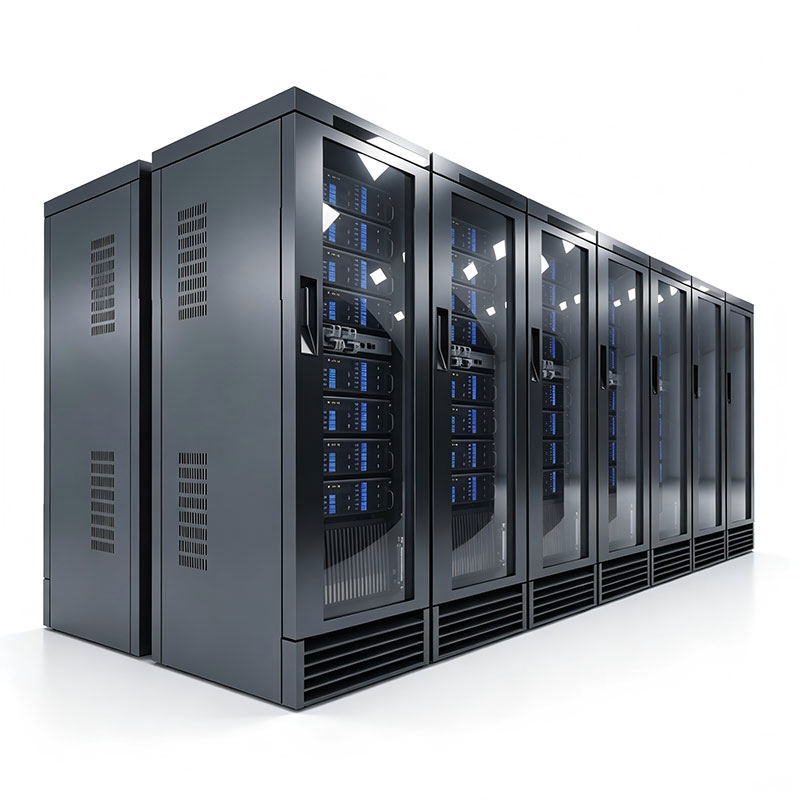
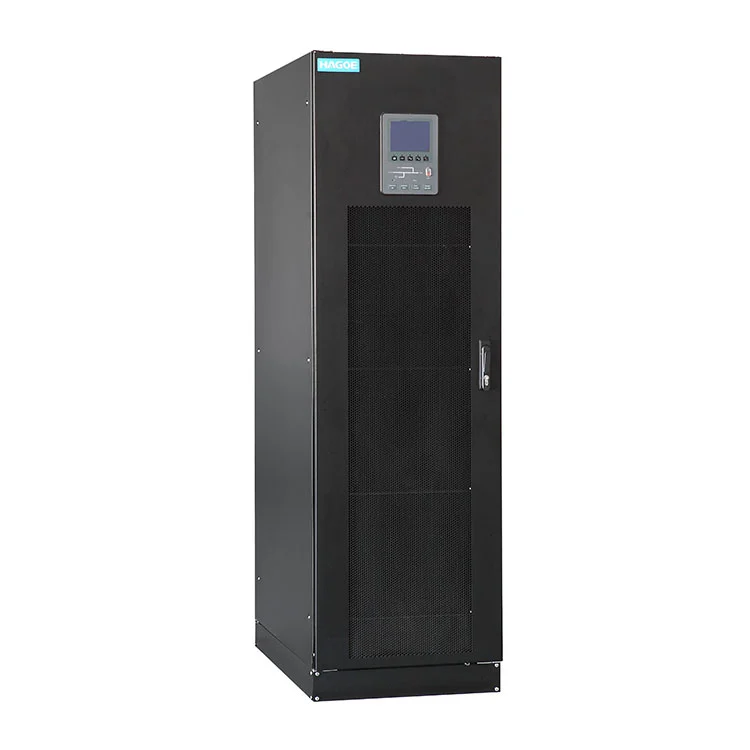
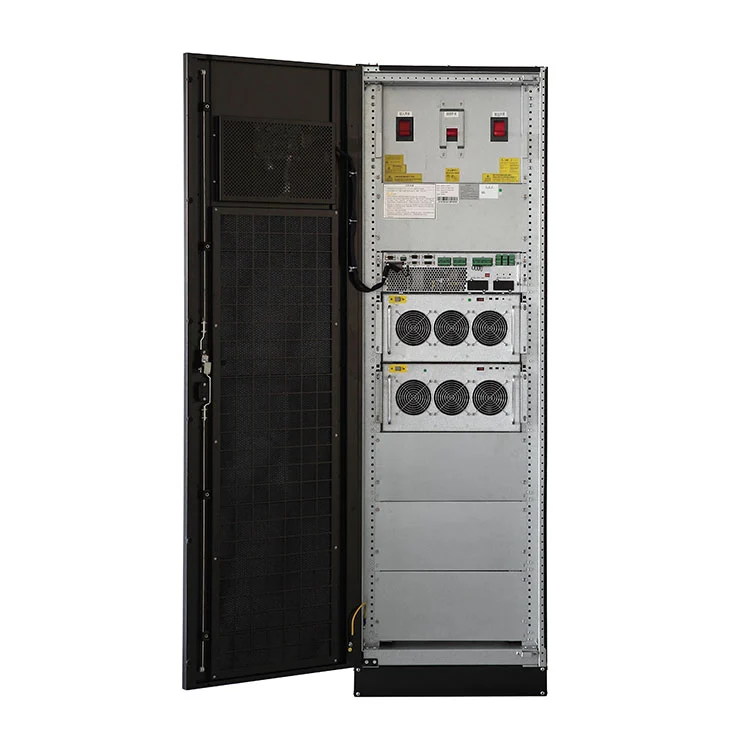
Modular UPS power supply combines the technical features of traditional tower-type UPS systems with the modularization requirements of modern data centers and equipment rooms. It adopts DSP digital control technology and an N+X redundant modular design, allowing users to configure the system flexibly according to actual load requirements. A single module provides a capacity of 20KVA, while a capacity of up to 200KVA per cabinet can be achieved by connecting multiple modules in parallel.
While realizing a modular design, the system significantly improves the reliability, applicability, and maintainability of critical power equipment, making it a suitable choice for various industries with high-reliability power supply requirements.
| Category | Parameter | Specification |
|---|---|---|
| Model | Model | HM-33010GS / HM-33015GS / HM-33020GS / HM-33025GS / HM-33030GS |
| Main Input | Input Voltage | 380VAC / 400VAC / 415VAC |
| Input Frequency | 50/60Hz | |
| Power Factor | >0.99 | |
| Current Distortion Rate | THDi <3% | |
| Voltage Range | -40%~+25%; -40%~-20% with linear frequency reduction | |
| Frequency Range | 40–70Hz | |
| Bypass | Bypass Voltage | 380VAC / 400VAC / 415VAC |
| Voltage Range | -20%~+15% | |
| Overload Capacity | 135%, long-term working | |
| Overload Capacity | 135%–150%, 6 min | |
| Overload Capacity | Load >150%, working time <100ms | |
| Output | Output Voltage | 380VAC / 400VAC / 415VAC |
| Voltage Precision | ±1% (balanced load); ±1.5% (unbalanced load) | |
| Voltage Distortion Ratio | THD <1.5% (linear load); THD <5% (nonlinear load) | |
| Power Factor | 0.8 | |
| Three-Phase Precision | 120°±0.5° | |
| Peak Value Ratio | 3:1 | |
| Overload Capacity | 110%, 1 hour, switch to bypass | |
| Overload Capacity | 125%, 10 min, switch to bypass | |
| Overload Capacity | 150%, 200ms, switch to bypass | |
| Overload Capacity | >150%, 200ms, switch to bypass | |
| System | System Efficiency | Normal module: 95% |
| System Efficiency | Economic module: 98% | |
| Battery Efficiency | 95% | |
| Display | LCD + LED, touch screen + keyboard | |
| Protection Level | IP20 | |
| Communication Interface | RS232, RS485, dry contact, SNMP card, EPO, generator interface | |
| Connection Mode | Support upper and down connection | |
| Operating Temperature | 0–40°C | |
| Storage Temperature | -25–70°C | |
| Relative Humidity | 0–95% (no condensation) | |
| Noise | <55dB | |
| Battery | Battery Voltage | ±240VDC (32–44 sections can be set) |
| Battery Configuration | 20% system power | |
| Battery Voltage Tolerance | ±1% | |
| Weight | Power Module | 10KVA: 20kg |
| Power Module | 15KVA: 21kg | |
| Power Module | 20KVA: 25kg | |
| Power Module | 25KVA: 30kg | |
| Power Module | 30KVA: 34kg | |
| Size | 6-Modules Cabinet | 600 × 900 × 1600mm |
| 10-Modules Cabinet | 600 × 900 × 2000mm | |
| Power Module | 440 × 590 × 134mm (10KVA / 15KVA / 20KVA) | |
| Cabinet Weight | 6-Modules Cabinet | Model: HM060-10, HM090-15, HM120-20; 150kg |
| 10-Modules Cabinet | Model: HM100-10, HM150-15, HM200-20; 180kg |
One of the key advantages of a modular UPS is that the UPS capacity can follow the actual load requirement.
For example, a newly built machine room may have a relatively low initial load but could add servers, storage systems, network equipment or other IT loads in the future. With a modular architecture, the UPS configuration can be expanded according to actual project growth rather than purchasing the full future capacity at the beginning.
For critical loads, UPS selection is not only about meeting the required capacity. The system also needs to consider whether the remaining system can continue operating if a power module becomes unavailable.
The HAGOE Modular UPS adopts an N+X redundant modular design. In this architecture, "N" represents the number of modules required to support the actual load, while "X" represents additional redundant modules. Proper redundancy configuration can reduce the impact of an individual module failure on the overall power supply system.
The actual N+X configuration should be determined according to load capacity, required reliability level and project design requirements.
| Comparison | Modular UPS | Traditional Tower UPS |
|---|---|---|
| Architecture | Modular power architecture | Integrated UPS unit |
| Capacity Configuration | Flexible module-based configuration | Usually fixed by UPS unit capacity |
| Expansion | Add modules according to demand | May require additional UPS units or replacement |
| Redundancy | N+X redundancy can be configured | Usually based on complete UPS redundancy |
| Maintenance | Faulty modules can be handled independently depending on design | Maintenance may involve the complete UPS unit |
| Future Load Growth | Well suited to phased expansion | Requires more advance capacity planning |
| Installation | Modular cabinet system | Conventional UPS cabinet |
| Initial Configuration | Can be matched to actual load | Often sized according to expected maximum load |
| Data Center Suitability | Highly suitable for expandable critical loads | Suitable for fixed-capacity applications |
| Procurement Focus | Scalability, redundancy, maintainability | Capacity, reliability and initial system configuration |
This does not mean that a modular UPS is always better than a traditional tower-type UPS.
When the load is stable, the required capacity is clearly defined and future expansion is unlikely, a conventional UPS may remain a straightforward solution.
When the project involves continuous expansion, load growth, phased data center construction or high availability requirements, the scalability and redundancy of a modular UPS can provide greater value.
Therefore, UPS procurement should consider the entire project lifecycle, rather than focusing only on the initial purchase price.
According to HAGOE's product information, a single module can provide a capacity of 20KVA. The modular architecture allows users to configure the system according to actual load requirements instead of relying entirely on one large-capacity UPS unit.
Through parallel connection of modules within a single cabinet, the system can achieve a capacity configuration of up to 200KVA. This allows the system to address different requirements ranging from medium-sized critical loads to larger machine-room power systems.
Engineering note: The final module quantity, N+X redundancy level, battery configuration and system capacity should be confirmed according to the actual load and project requirements.
Data centers often experience progressive load growth as servers, storage systems and network equipment are added. A modular UPS can adapt to changing power demand through modular configuration, making it suitable for expandable data center power architectures.
Telecommunication and communication rooms require high levels of power continuity and equipment availability. It can be configured according to the room's load size while using a redundant architecture to improve power availability for critical communication equipment.
PLC systems, controllers, monitoring equipment and communication devices used in industrial automation may require continuous and stable power. It can provide backup power and power-quality protection for critical control loads.
Financial institutions, commercial centers and enterprise IT systems require reliable operation of servers and network equipment. It can provide a scalable backup power architecture for critical IT loads.
For procurement personnel and EPC projects, it is recommended to clarify the following details during the inquiry stage:
1. Confirm the Required Capacity
Specify the current load, peak load, and future expansion capacity, rather than simply providing a generic UPS capacity figure.
2. Define the Redundancy Requirement
Clearly specify whether the project requires N, N+1, or another N+X redundancy architecture.
3. Confirm Battery Autonomy
Specify the required duration for the UPS to maintain load operation following a mains power outage.
4. Confirm Installation Conditions
Provide information regarding server room space, cable entry/exit methods, ambient temperature, and maintenance access paths.
5. Request Technical Documents
Require suppliers to provide product specifications, system proposals, wiring diagrams, certification documents, test reports, and installation/maintenance manuals.
6. Evaluate the Supplier's Engineering Capability
When dealing with modular UPS systems, do not focus solely on product price; also evaluate the supplier's capabilities regarding system configuration, parallel system design, testing, installation guidance, and after-sales maintenance.
Established in 2008, HAGOE has more than 18 years of experience in power electronics and power supply manufacturing. For Modular UPS systems involving parallel modules, redundancy and continuous operation, the company applies a production and verification process covering electronic assembly and complete-unit testing.
The manufacturing facility is equipped with TRUMPF laser cutting machines, AMADA CNC bending machines, SMT production lines and automated turret punching equipment. Testing resources include intelligent aging, EMC, IP protection and environmental testing equipment for verifying electrical performance, operating stability and environmental adaptability.
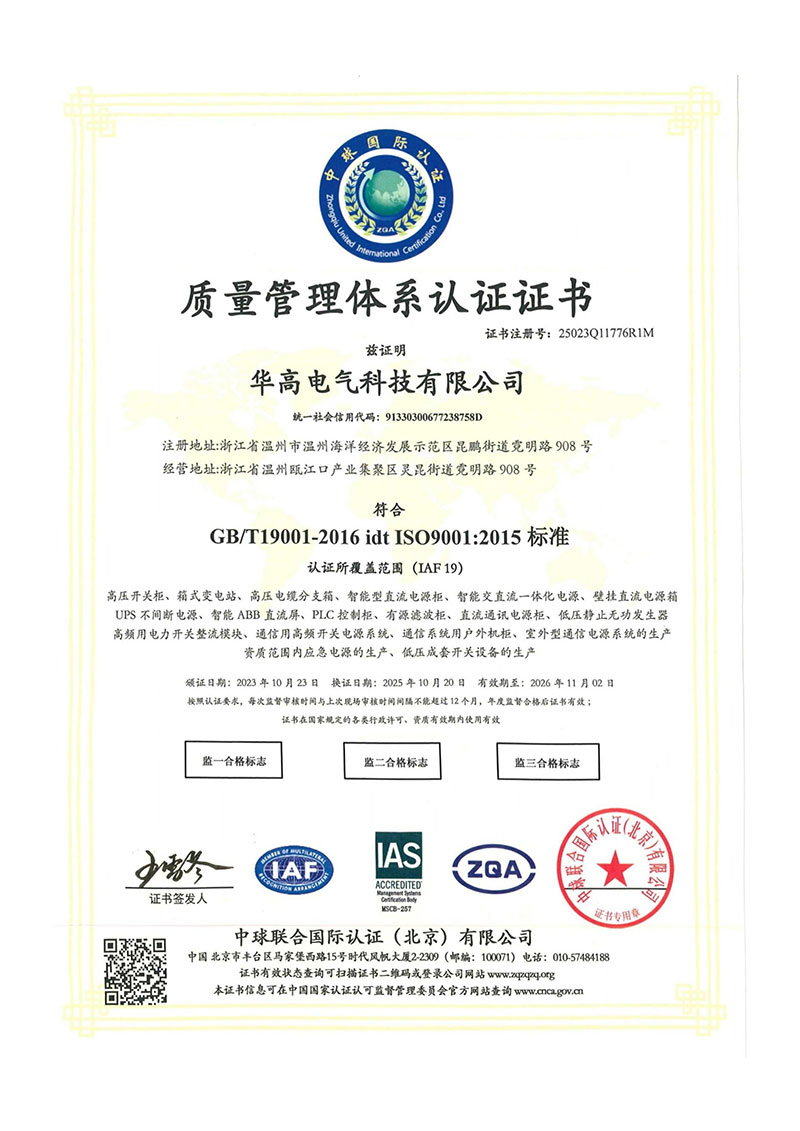
HAGOE operates under ISO9001, ISO14001 and ISO45001 management systems and holds 34+ national patents. Its product portfolio also covers GZDW DC power systems, UPS/EPS, power distribution equipment and new energy electrical systems, providing relevant manufacturing experience for Modular UPS development and system integration.


The UPS capacity should be calculated based on the actual load, power factor, future expansion requirements and required redundancy level. Instead of simply adding the rated power of all equipment, both the current and planned loads should be considered before determining the required N modules and X redundant modules.
N represents the minimum number of modules required to support the actual load, while X represents additional redundant modules. For example, adding one redundant module to the required capacity creates an N+1 configuration. The final redundancy level should be determined according to the project's reliability requirements and load criticality.
When the system is configured with N+X redundancy, the remaining available modules can continue supporting the critical load within the designed operating range if one module becomes unavailable. Whether the complete load can remain online depends on the load level, number of redundant modules and system control strategy.
Yes. One of the key purposes of a Modular Uninterruptible Power Supply architecture is capacity scalability. Additional power modules can be added as the load increases, rather than replacing the entire UPS system. Before expansion, the available module positions, system capacity, upstream/downstream distribution and redundancy requirements should be checked.
According to the current product information, a single module can provide up to 20KVA, while a single cabinet can achieve a capacity configuration of up to 200KVA through parallel connection. The actual system capacity and module quantity should be determined according to the load and redundancy configuration.
The UPS should not simply be sized to match the current actual load at full capacity. The design should consider future expansion and redundancy requirements, with an appropriate capacity margin based on the project's load-growth plan. For data centers and other critical loads, the usable capacity after N+X redundancy should also be considered.
Battery capacity mainly depends on the UPS load power, required backup time, battery system voltage, discharge characteristics and ambient temperature. Battery capacity should not be selected solely from the UPS KVA rating; the required autonomy time must also be included in the calculation.
Address
No. 908, Niming Road, Kunpeng Street, Wenzhou Marine Economic Development Demonstration Zone, Wenzhou City, Zhejiang Province, China
Tel