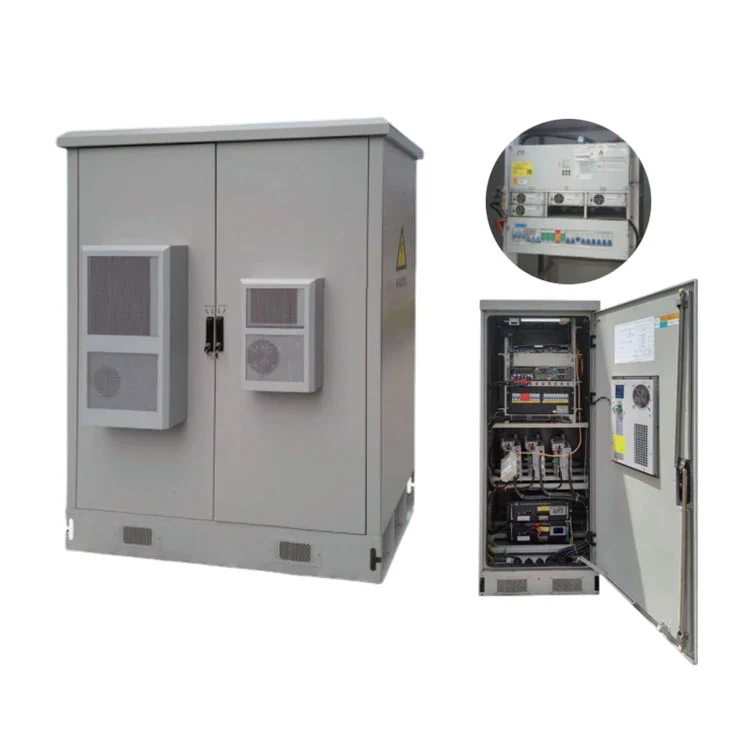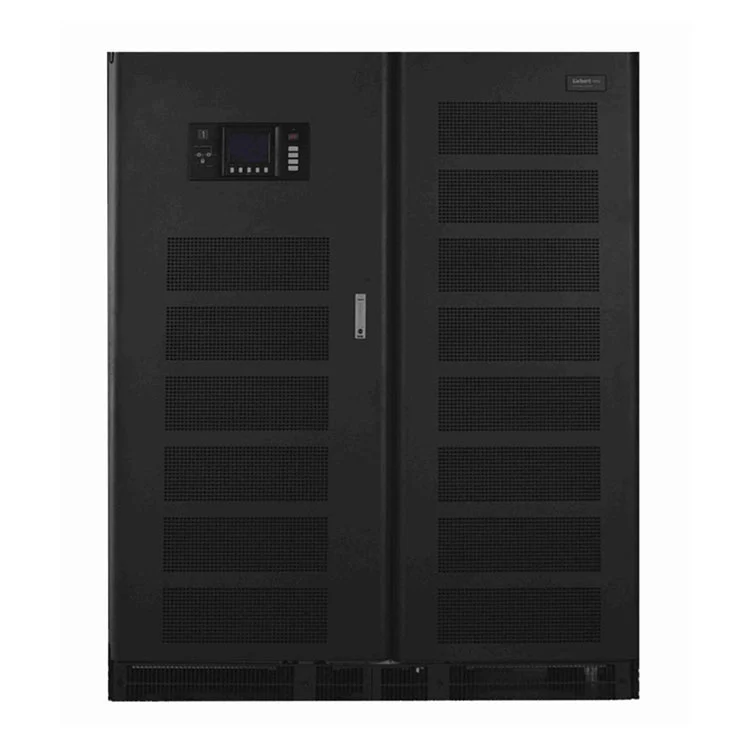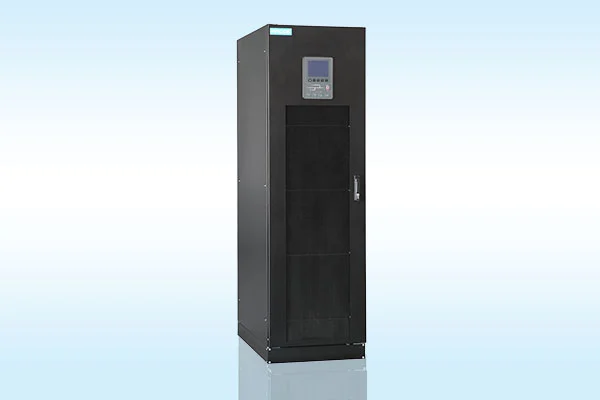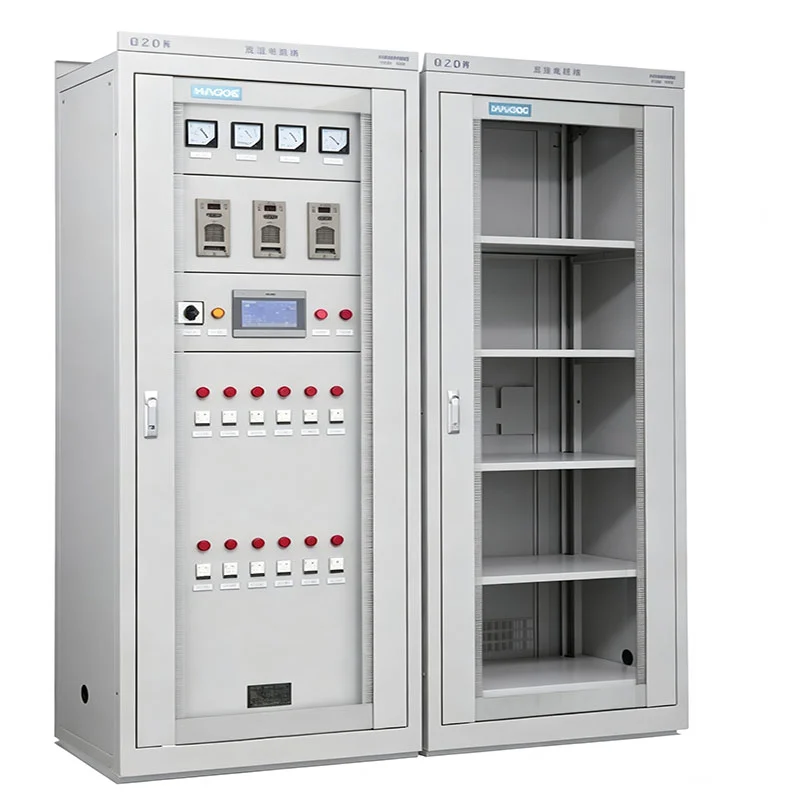
Article Summary: GCS Low Voltage Switchgear is designed for high-capacity, multi-circuit and automated low-voltage power systems. With withdrawable functional units, centralized motor control, power distribution and reactive power compensation capabilities, it can support demanding applications in power plants, petrochemical facilities, metallurgy, textile plants and high-rise buildings. HAGOE provides GCS solutions for projects requiring reliable electrical distribution, flexible circuit configuration and integration with modern industrial control systems.
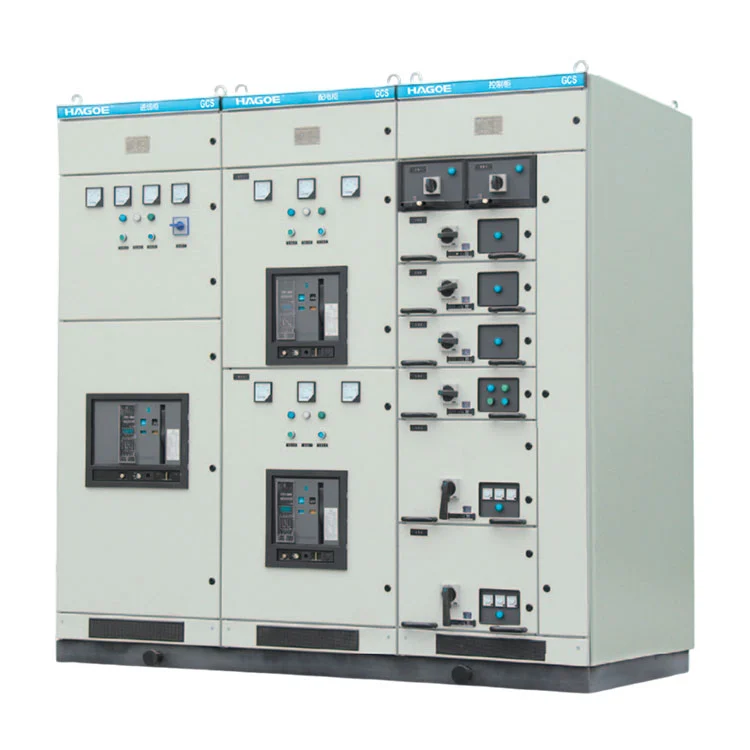
Table of Contents
What Is GCS Low Voltage Switchgear?
What Are the Key Functions of GCS Switchgear?
Why Does the Withdrawable Design Matter?
What Are the Main Technical Parameters?
Where Is GCS Switchgear Commonly Used?
How Does GCS Compare With GCK Switchgear?
How Should You Select a GCS Switchgear System?
How Does HAGOE Support Quality and Compliance?
What Is GCS Low Voltage Switchgear?
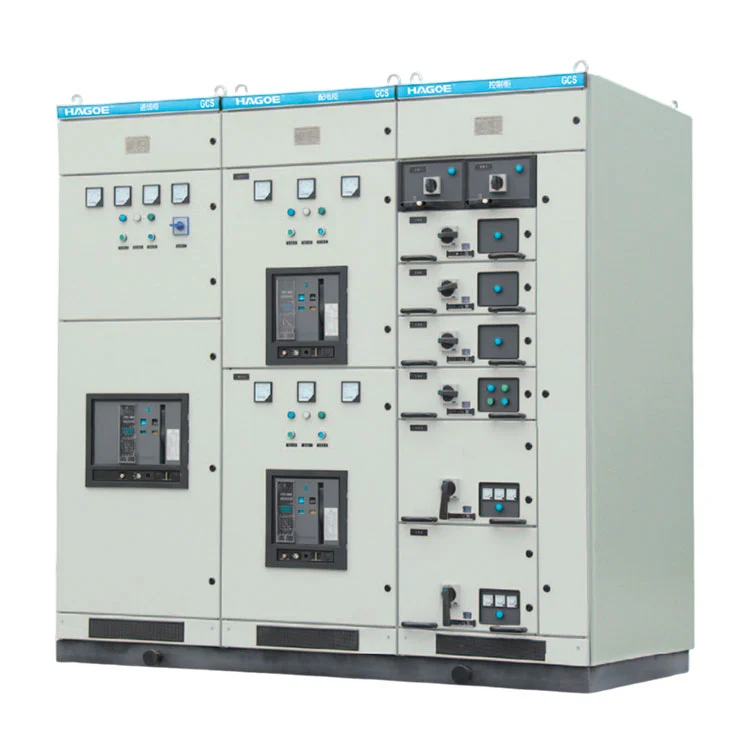
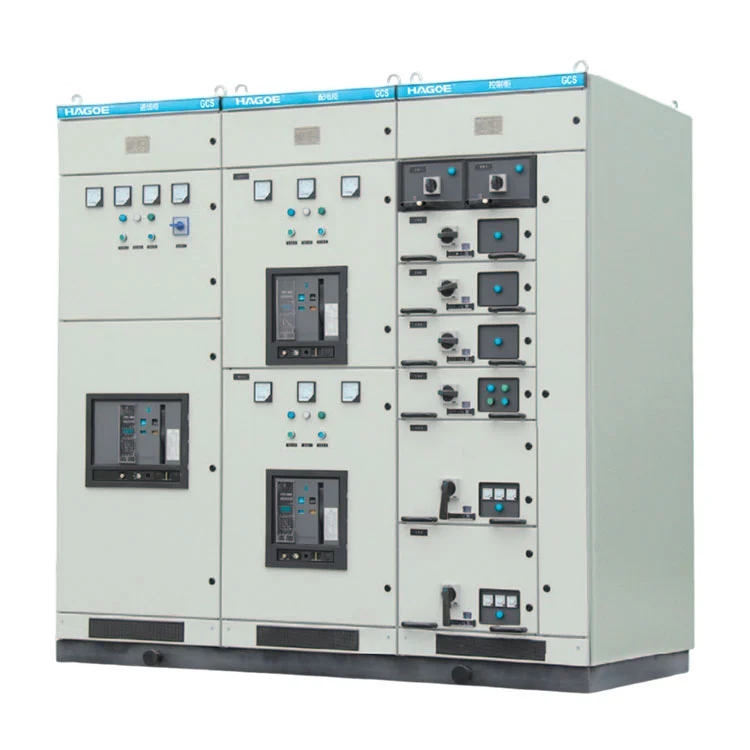
HAGOE GCS Low Voltage Switchgear is a withdrawable low-voltage switchgear system developed for large-scale power distribution, centralized motor control and reactive power compensation. It is suitable for three-phase AC power systems operating at 50Hz or 60Hz, with typical rated working voltages of 380V, 400V and 660V.
Unlike a basic distribution cabinet designed for a limited number of circuits, GCS is intended for electrical systems where multiple incoming and outgoing feeders, motor loads and control functions need to be organized within one structured switchgear lineup.
The system can handle rated currents up to 4000A, making it suitable for large industrial facilities and other applications with substantial low-voltage electrical loads.
Its architecture can also support connections with PLCs, supervisory computers and other industrial control systems. This makes GCS particularly relevant to facilities where electrical distribution and automation need to operate as part of an integrated infrastructure.
What Are the Key Functions of GCS Switchgear?
The value of a GCS system comes from its ability to combine several important electrical functions within a coordinated low-voltage switchgear configuration.
Low-Voltage Power Distribution
GCS can be configured for incoming power, busbar distribution and multiple outgoing feeder circuits. This arrangement allows electrical energy to be distributed from the main incoming section to different production lines, equipment groups and auxiliary loads.
Centralized Motor Control
Industrial facilities often contain large numbers of motors driving pumps, fans, compressors, conveyors and production equipment. GCS can incorporate functional units for centralized motor control and protection, helping organize these loads within a structured motor control architecture.
Reactive Power Compensation
Reactive power compensation can be incorporated according to project requirements. When properly engineered as part of the electrical system, compensation equipment can support power-factor management and improve the utilization of electrical power.
Industrial Automation Integration
For highly automated production environments, GCS can be configured with measurement, protection, control and communication components. These functions allow the switchgear to interface with PLCs, supervisory computers and broader industrial automation systems.
- Incoming and outgoing power distribution
- Centralized motor control
- Circuit protection and measurement
- Reactive power compensation
- PLC and supervisory system integration
- Multi-circuit electrical management
Why Does the Withdrawable Design Matter?
One of the important characteristics of GCS is its withdrawable functional-unit architecture. Instead of treating the entire cabinet as one fixed electrical assembly, different circuits can be organized through functional units according to their electrical roles and load requirements.
This approach can be valuable in large industrial projects where electrical loads have different current ratings, control requirements and maintenance schedules.
For example, a production facility may need separate circuits for motors, pumps, fans, auxiliary equipment and outgoing feeders. A withdrawable configuration provides a structured method for arranging these functions within the switchgear system.
Key Benefits of Withdrawable Architecture
- Flexible circuit organization: Functional units can be arranged according to the distribution design.
- High circuit density: Multiple electrical functions can be organized within a coordinated lineup.
- Maintenance convenience: The withdrawable structure can simplify access to individual functional units during servicing.
- Application flexibility: The architecture is suitable for distribution, motor control and automation-oriented projects.
- System expansion: The structured configuration can be adapted to project-specific circuit requirements.
For facilities with numerous feeders and continuous production requirements, these characteristics can make withdrawable switchgear an important consideration during electrical system planning.
What Are the Main Technical Parameters?
Technical specifications should always be confirmed against the final project design, electrical load schedule and applicable standards. The following parameters summarize the key specifications provided for the GCS system.
| Parameter | Specification |
|---|---|
| Main Circuit Rated Voltage | 380V / 400V / 660V AC |
| Rated Frequency | 50Hz / 60Hz |
| Rated Insulation Voltage | 690V / 1000V |
| Horizontal Busbar Rated Current | Up to 4000A |
| Vertical Busbar Rated Current | 1000A |
| Busbar Short-Time Withstand Current | 50kA / 80kA, 0.1s |
| Busbar Peak Withstand Current | 105kA / 176kA |
| Main Circuit Power-Frequency Test Voltage | 2500V / 1 min |
| Auxiliary Circuit Power-Frequency Test Voltage | 1760V / 1 min |
| Protection Level | IP30 / IP40 |
These parameters demonstrate why GCS is generally considered for high-capacity industrial low-voltage applications rather than simple end-user distribution. The final configuration should be selected according to load characteristics, short-circuit requirements, environmental conditions and project specifications.
Where Is GCS Switchgear Commonly Used?
GCS is designed for applications where electrical distribution involves multiple circuits, substantial loads and centralized control requirements. Its application range covers several demanding industrial and commercial environments.
Power Plants
In power generation facilities, GCS can be used within low-voltage auxiliary power systems to distribute electricity to auxiliary equipment, motors and other low-voltage loads.
Petrochemical Facilities
Petrochemical plants often operate continuously and rely heavily on automated equipment. GCS can support low-voltage distribution and centralized motor control for pumps, fans, compressors and related production equipment.
Metallurgy and Heavy Industry
Large production lines can require multiple high-power motor circuits and feeders. GCS provides a structured platform for organizing these circuits while supporting centralized control and protection.
Textile Manufacturing
Textile plants may contain numerous electrically driven machines operating within coordinated production processes. A centralized low-voltage switchgear system can help organize distribution and motor-control circuits.
High-Rise Buildings
Large buildings can also require centralized low-voltage distribution for lighting, equipment and other electrical loads. GCS can be considered when the distribution system requires higher capacity and multiple coordinated circuits.
How Does GCS Compare With GCK Switchgear?
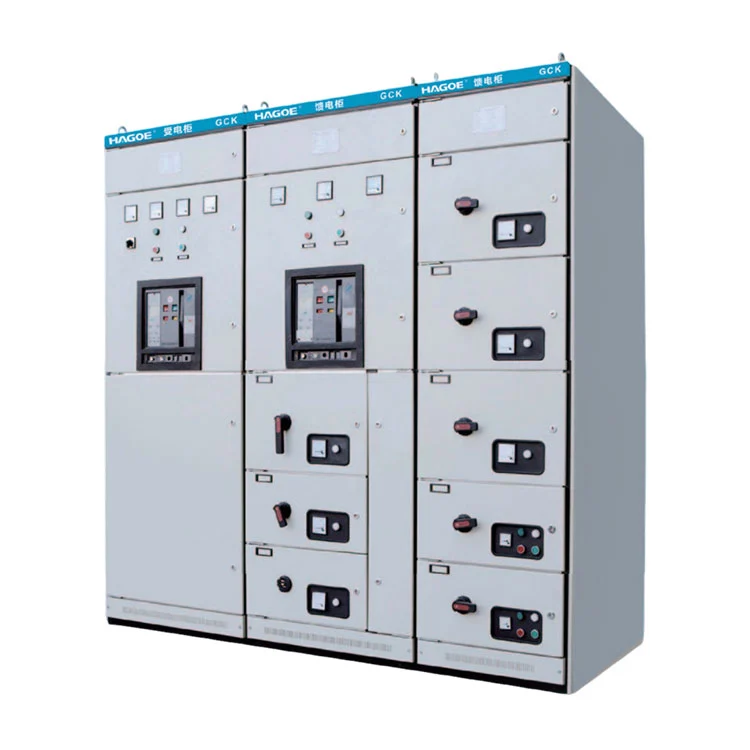
GCS and GCK are both associated with withdrawable low-voltage switchgear applications, but project requirements should determine which architecture is appropriate. GCK is commonly associated with industrial low-voltage distribution and motor control, while GCS is oriented toward high-capacity, high-density and highly automated applications.
| Consideration | GCS | GCK |
|---|---|---|
| Typical Application | Large-scale distribution and automation-oriented systems | Industrial distribution and motor control |
| Architecture | Withdrawable functional units | Withdrawable functional units |
| System Capacity | Up to 4000A rated current configuration | Selected according to project configuration |
| Motor Control | Supported | Common application |
| Automation Integration | Suitable for PLC and supervisory system integration | Depends on project configuration |
| Reactive Power Compensation | Can be incorporated according to design | Project dependent |
The comparison should not be treated as a universal equipment-selection rule. Electrical engineers should evaluate the complete load profile, circuit arrangement, automation requirements, installation conditions and applicable standards before choosing a switchgear architecture.
How Should You Select a GCS Switchgear System?
Choosing a suitable GCS configuration requires more than checking the rated current. A properly engineered system should match the switchgear to the complete electrical distribution architecture.
1. Determine the System Voltage
Confirm whether the project operates at 380V, 400V or 660V and verify the required frequency, insulation level and other electrical characteristics.
2. Calculate the Load and Current
Analyze incoming power, feeder loads, motor loads and future capacity requirements. The busbar and functional-unit ratings should be selected according to the actual electrical design.
3. Define the Number of Circuits
List incoming feeders, outgoing feeders, motor-control circuits, auxiliary circuits and other functional requirements before finalizing the cabinet arrangement.
4. Evaluate Automation Requirements
If the facility uses PLCs, industrial computers or supervisory systems, define the required measurement, protection, control and communication interfaces during the switchgear design stage.
5. Consider Maintenance Requirements
For continuous-production facilities, maintenance accessibility and functional-unit organization can be important factors in determining the appropriate withdrawable configuration.
- Rated voltage and frequency
- Total and individual circuit current
- Short-circuit withstand requirements
- Number and type of functional units
- Motor-control requirements
- Reactive compensation requirements
- Automation and communication interfaces
- Cabinet dimensions and installation space
- Environmental and protection requirements
How Does HAGOE Support Quality and Compliance?
For industrial switchgear, manufacturing quality is closely connected with electrical safety, reliability and long-term operating performance. HAGOE states that its production operates under ISO9001, ISO14001 and ISO45001 management systems and applies process-based quality control throughout complete electrical equipment production.
Quality-control activities for GCS include component verification, cabinet fabrication, busbar inspection, functional-unit assembly, secondary control inspection and complete-cabinet testing.
| Quality-Control Stage | Primary Focus |
|---|---|
| Component Verification | Model, rating and compatibility of electrical components |
| Cabinet Fabrication | Laser cutting, CNC bending and assembly accuracy |
| Busbar Inspection | Busbar specification, connections, installation and insulation |
| Functional Unit Inspection | Mechanical structure, assembly and electrical connections |
| Secondary Control Inspection | Control wiring, terminals, measurement and signal circuits |
| Complete-Cabinet Testing | Pre-delivery inspection and electrical performance testing |
The GCS system is designed with reference to applicable low-voltage switchgear and controlgear standards, including IEC 439-1, GB/T 7251, ZBK 36001 and GB/T 7251.12-2013. The exact standards, component selection and testing requirements should be confirmed according to the destination market and project specification.
For more information about HAGOE's low voltage switchgear solutions, buyers can review the product range and compare different cabinet configurations according to their application requirements.
Frequently Asked Questions
What is GCS Low Voltage Switchgear mainly used for?
GCS is mainly used for low-voltage power distribution, centralized motor control and reactive power compensation in large industrial and commercial electrical systems. Typical applications include power plants, petrochemical facilities, metallurgy, textile plants and high-rise buildings.
What is the maximum rated current of GCS?
The GCS system can be configured for rated current up to 4000A. The final current rating depends on the incoming circuit, busbar design, feeder configuration and overall project requirements.
What voltage ratings are available for GCS?
GCS is designed for 380V, 400V and 660V low-voltage AC systems, with rated frequencies of 50Hz or 60Hz.
Can GCS be used for centralized motor control?
Yes. GCS can incorporate motor-control-related functional units for centralized distribution, control and protection of industrial motors such as pumps, fans and compressors.
Can reactive power compensation be incorporated into GCS?
Yes. Reactive power compensation can be incorporated according to the electrical design and power-factor management requirements of the project.
Can GCS integrate with PLC or industrial control systems?
Yes. Depending on the project configuration, GCS can incorporate measurement, protection and control components and interface with PLCs, supervisory computers and other industrial automation systems.
Build a More Structured Industrial Power Distribution System with HAGOE
For projects requiring high-capacity low-voltage distribution, centralized motor control, withdrawable functional units and automation integration, GCS provides a flexible platform for organizing complex electrical systems. HAGOE can support project-specific switchgear requirements based on voltage, current, circuit quantity, motor loads, automation functions and installation conditions. If you are sourcing a reliable GCS Low Voltage Switchgear solution for an industrial or commercial project, contact us with your electrical specifications, load requirements and project details to discuss a suitable configuration, technical solution and quotation.