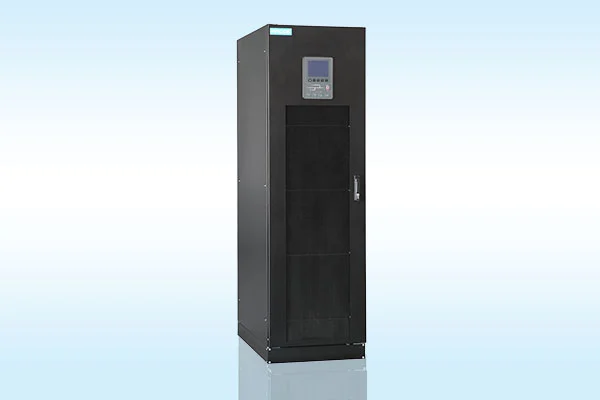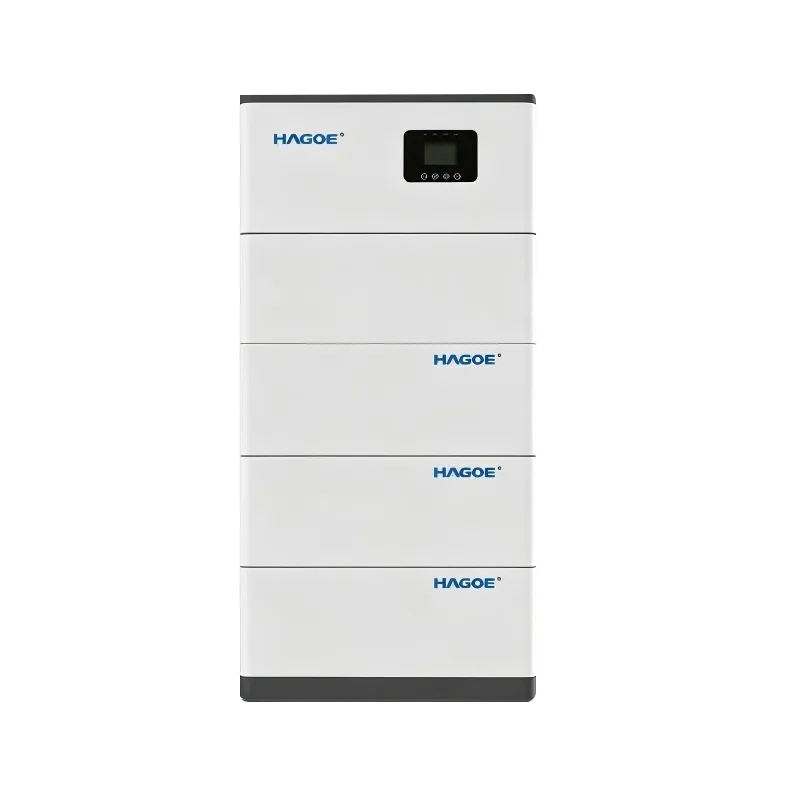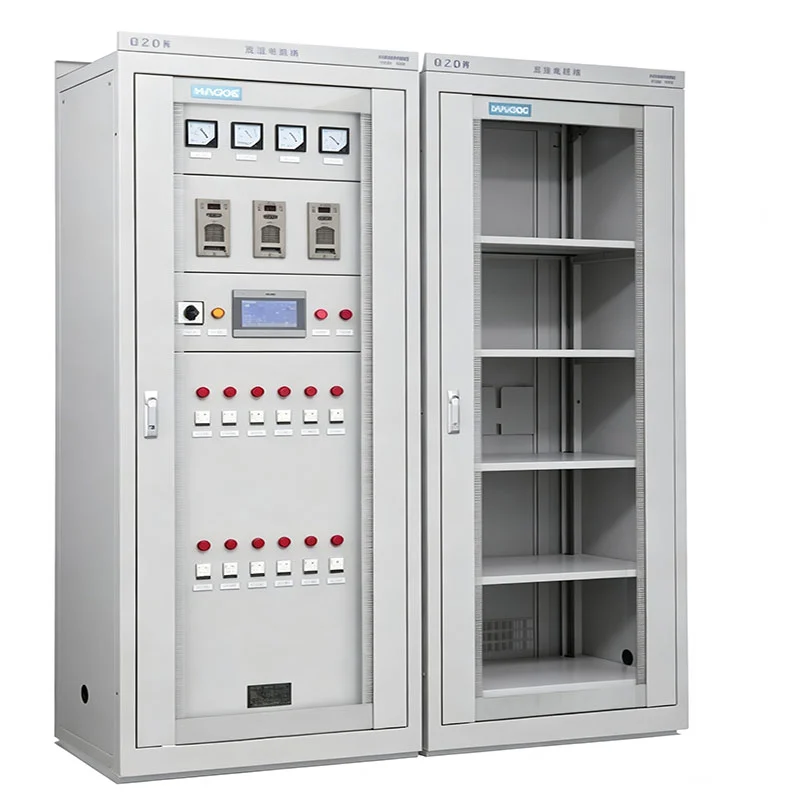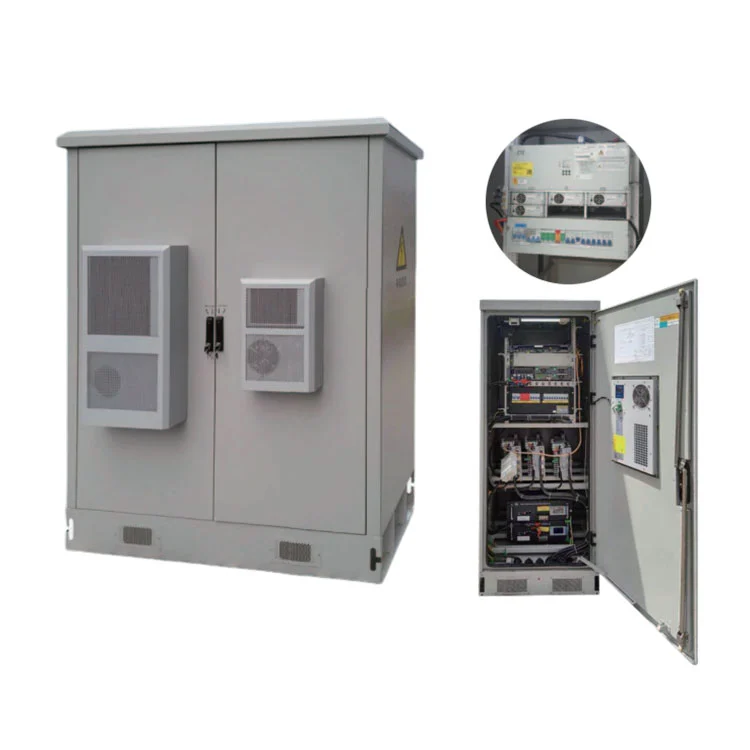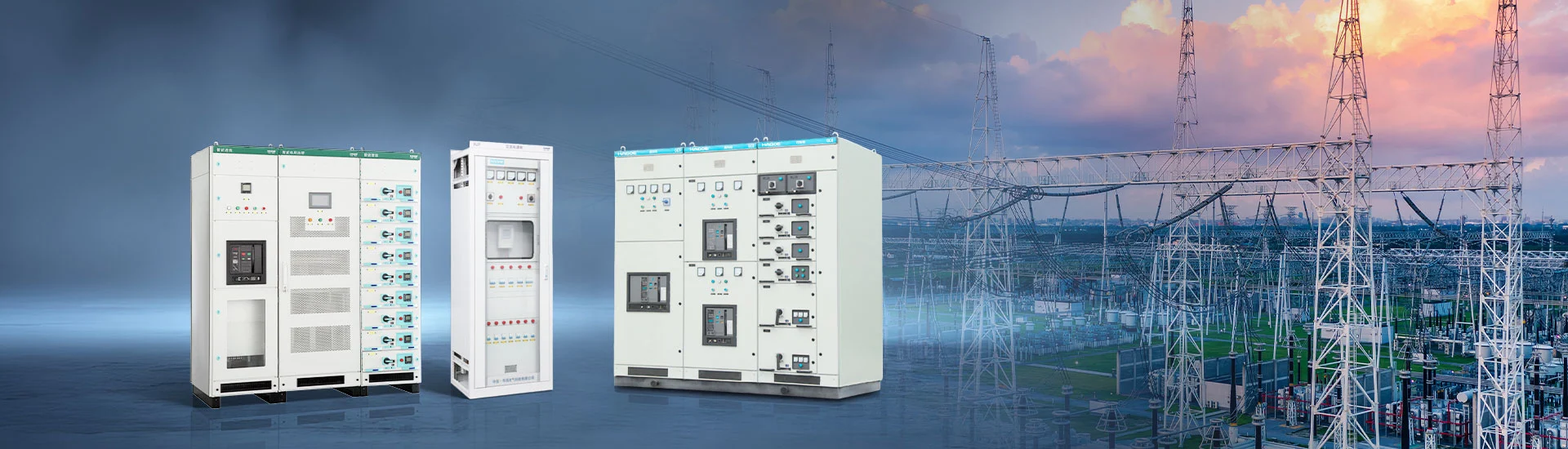
Low Voltage Switchgear is used to distribute, control, protect, and monitor electrical power on the low-voltage side of power generation, substations, industrial facilities, commercial buildings, and infrastructure projects.
For an engineering project, selecting a low-voltage switchgear cabinet is not simply a matter of choosing the lowest price or the largest rated current. The cabinet structure affects feeder arrangement, maintenance access, circuit density, motor control, expansion flexibility, installation space, and operating safety.
HAGOE Electric Technology Co., Ltd. provides four established low-voltage switchgear configurations:
The first three are commonly associated with withdrawable/modular configurations, while GGD is a fixed-type cabinet.
Rather than treating these four models as interchangeable, HAGOE selects the cabinet structure according to the project's distribution architecture, load characteristics, maintenance requirements, available space, and future expansion plan.
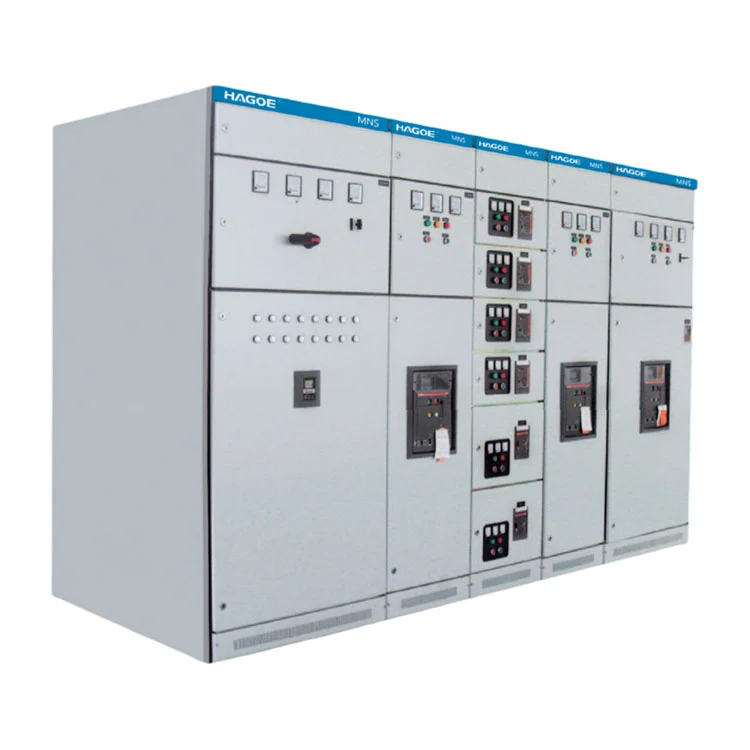
MNS is a modular low-voltage switchgear platform suited to projects where high circuit density, withdrawable units, operational flexibility, and maintainability are important.
Its modular architecture allows different functional units to be arranged within the same switchgear system. Depending on the configuration, MNS systems can be used for power distribution, motor control, reactive power compensation, and other low-voltage applications.
MNS is particularly suitable for larger industrial facilities, power infrastructure, commercial buildings, and projects where the switchgear may need to accommodate multiple functional circuits.
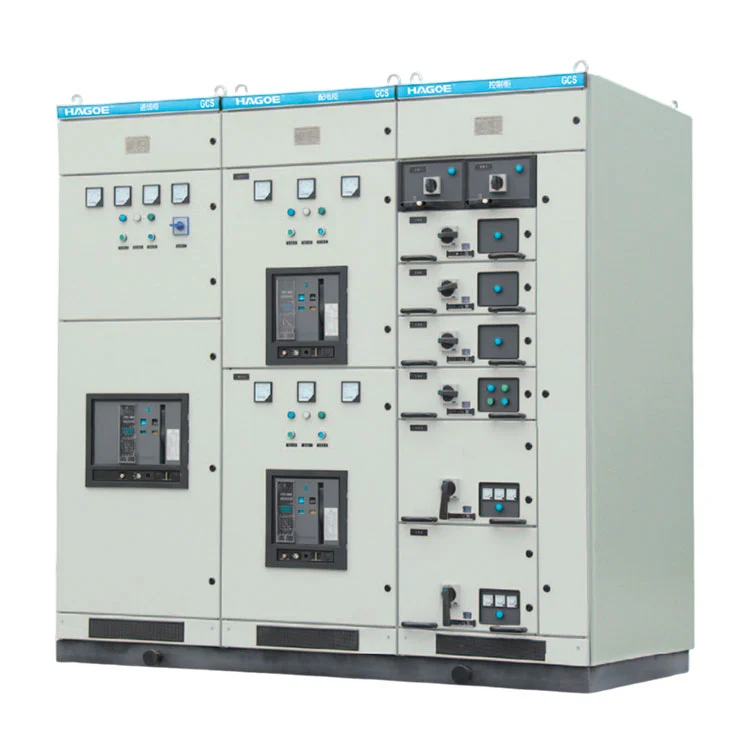
GCS is a withdrawable low-voltage switchgear configuration commonly used for power distribution, motor control, and centralized electrical control.
Its modular drawer structure allows individual functional units to be operated and maintained without treating the entire cabinet as a single fixed assembly. This can be useful where multiple feeders or motor circuits need to be organized within a relatively compact distribution system.
GCS is commonly considered for industrial plants, power facilities, petrochemical installations, metallurgy, textile production, and large buildings.
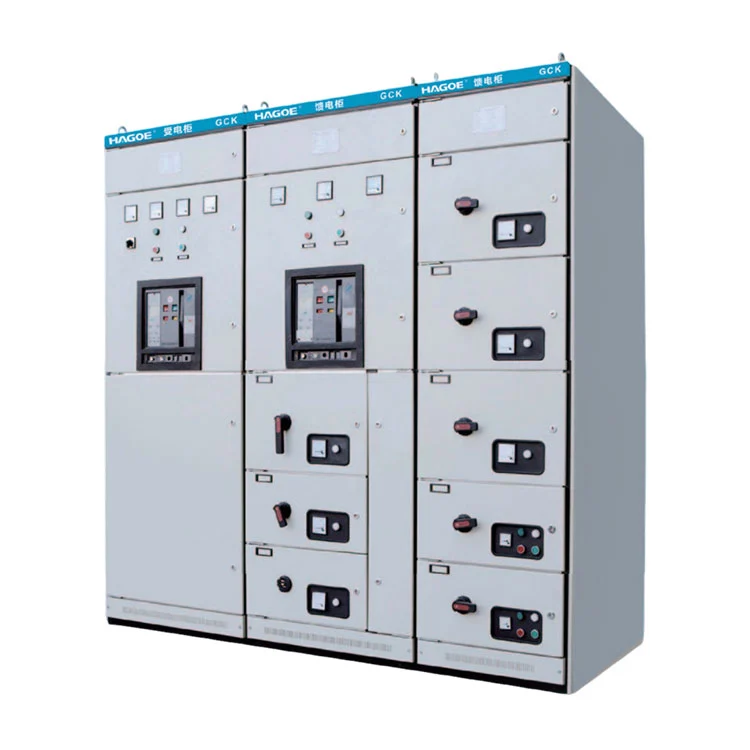
GCK is a withdrawable low-voltage switchgear configuration designed around power distribution and motor control.
Compared with more highly modular cabinet architectures, GCK is often selected for projects where a practical combination of power distribution, motor control, and centralized control is required without unnecessarily complex cabinet configuration.
Typical applications include industrial production facilities, distribution systems, motor control centers, and projects where multiple outgoing circuits need to be managed from a centralized switchgear installation.
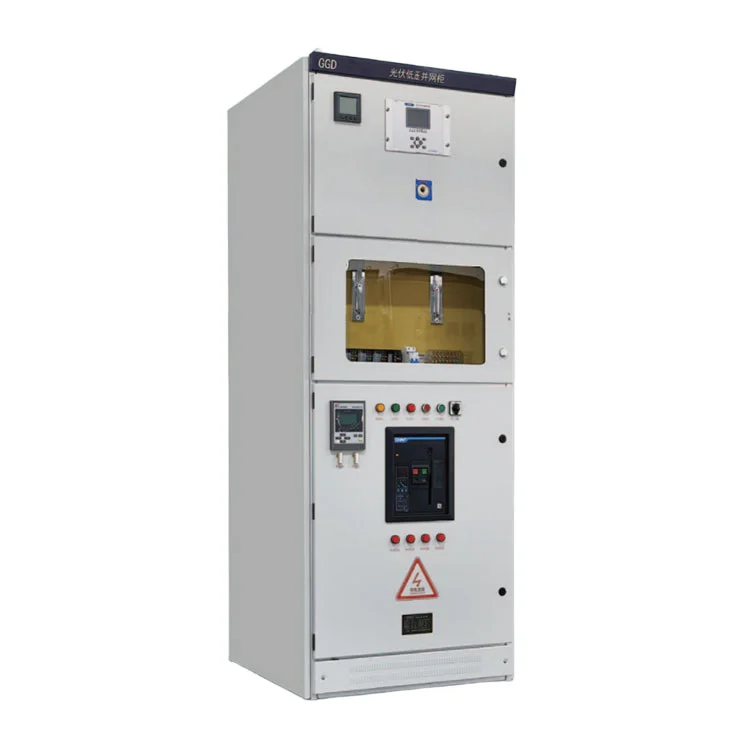
GGD takes a different approach from the withdrawable configurations above. It is a fixed-type low-voltage distribution cabinet, making it suitable for projects where the main requirement is reliable and straightforward power distribution rather than frequent drawer-unit replacement or high-density modular operation.
Its fixed internal arrangement can be advantageous for conventional distribution rooms, substations, industrial facilities, and other installations where circuit configuration is relatively stable.
For projects with predictable feeder arrangements and limited requirements for frequent unit replacement, GGD can provide a practical fixed-cabinet solution.
The product selection should begin with the electrical system rather than the cabinet name.
A withdrawable configuration such as MNS, GCS, or GCK may be considered where individual functional units need to be isolated, withdrawn, inspected, or replaced.
A modular cabinet architecture can provide more flexibility for organizing multiple feeders and functional units within the available installation space.
GGD fixed switchgear can be considered when circuits do not require frequent unit withdrawal and the project prioritizes straightforward fixed distribution.
The selection should consider not only feeder capacity but also motor starting characteristics, contactor arrangement, protection, control circuits, and MCC requirements.
The initial cabinet layout should reserve appropriate space and functional capacity for future feeders, additional loads, or changes to the distribution architecture.
| Switchgear | Structural Direction | Main Engineering Focus | Typical Application |
|---|---|---|---|
| MNS | Modular / withdrawable | Circuit density and flexible configuration | Industrial plants, large distribution systems |
| GCS | Withdrawable / modular | Distribution and motor control | Industrial and power facilities |
| GCK | Withdrawable | Practical distribution and motor control | Industrial distribution, MCC |
| GGD | Fixed | Stable conventional distribution | Distribution rooms, substations, industrial facilities |
Note:Actual ratings, protection class, compartmentation, drawer configuration, busbar arrangement, and component selection depend on the specific design and project requirements. Product configuration should be confirmed against the applicable technical specification and project standard.
HAGOE's low-voltage switchgear business is supported by its broader electrical equipment manufacturing capability.
The company was established in 2008 in Wenzhou, Zhejiang, and has more than 18 years of experience in power transmission and distribution, power electronics, industrial automation, and new-energy electrical equipment.
Its manufacturing resources include laser cutting equipment, CNC bending machines, automated punching equipment, SMT production lines, aging test systems, and electrical testing equipment.
For switchgear manufacturing, this combination is relevant because cabinet quality depends not only on the selected electrical components but also on sheet-metal accuracy, busbar arrangement, assembly quality, wiring consistency, insulation, mechanical operation, and final electrical testing.
HAGOE operates under ISO9001, ISO14001, and ISO45001 management systems and can provide relevant product documentation, inspection records, certification documents, and technical files according to project requirements.