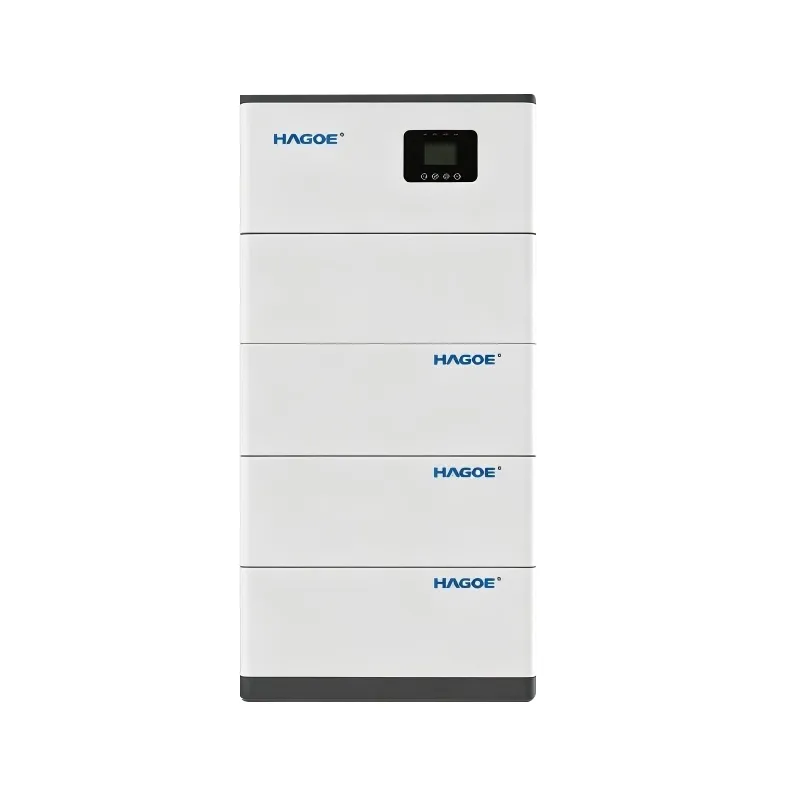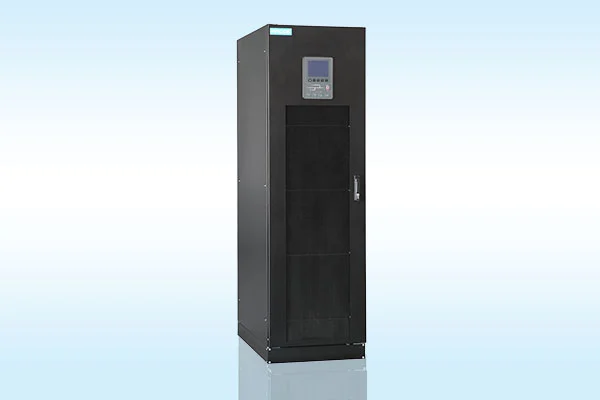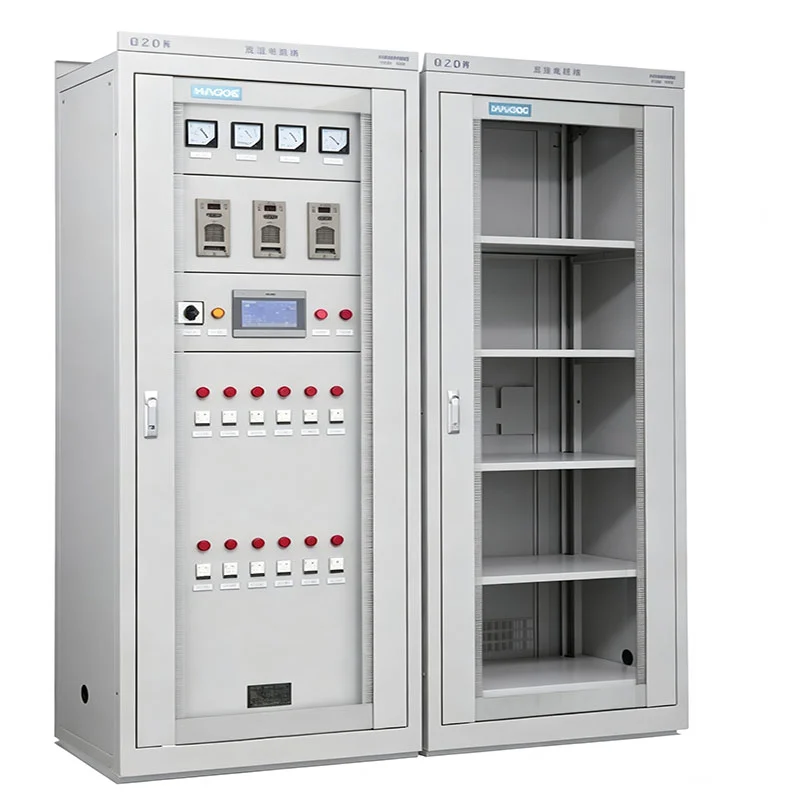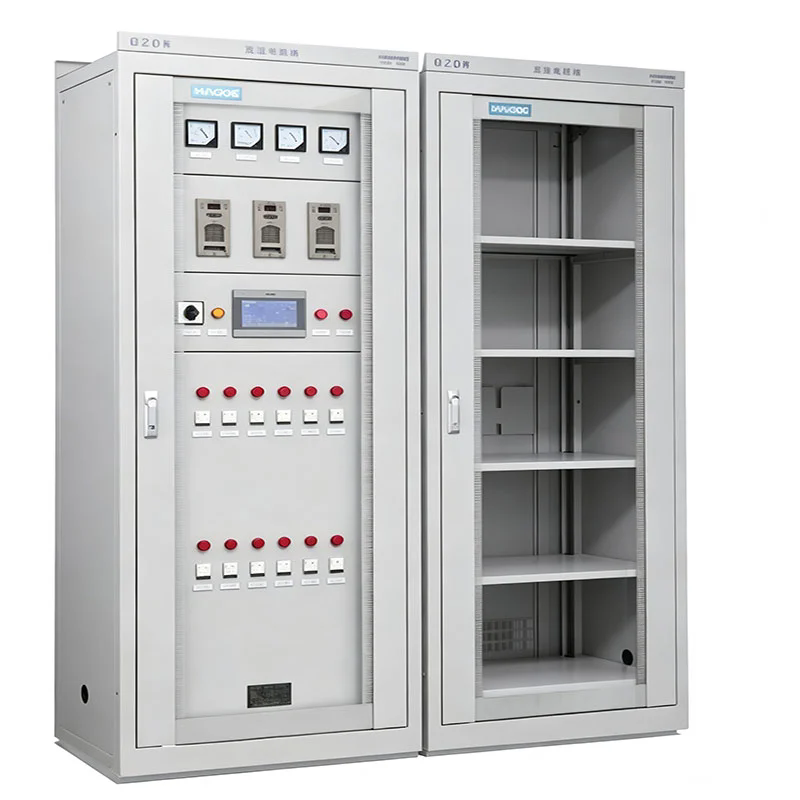
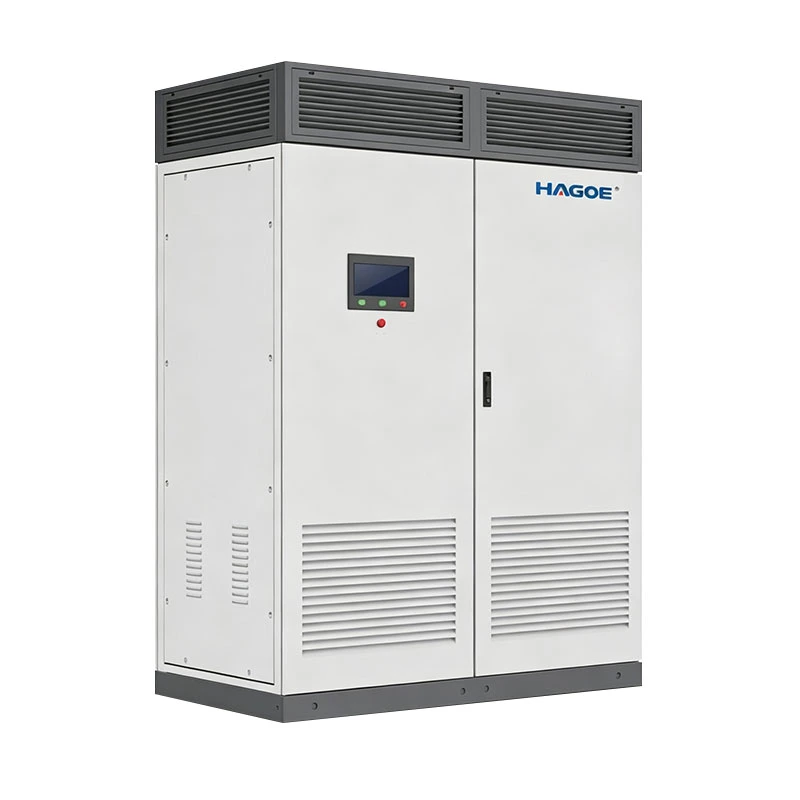
The HAGOE Solar Wind Energy Storage All-in-One System is a multi-energy storage system designed for off-grid power supply, weak grids, outdoor energy, and distributed renewable energy projects. The system integrates solar power generation, wind power generation, energy storage batteries, power conversion, and intelligent energy management into a unified platform, coordinating and controlling different energy inputs through an EMS (Energy Management System).
This solution can utilize both solar and wind energy simultaneously. During the day, when solar resources are abundant, photovoltaic power prioritizes supplying power to the load and charging the batteries; at night or under low light conditions, wind power can continue to provide energy input, thereby reducing the impact of a single renewable energy input on the system's continuous power supply capability.
For scenarios without stable grid access, this multi-energy combination is particularly suitable for communication, monitoring, street lighting, outdoor equipment, and small infrastructure requiring long-term operation.
Solar and wind resources have different generation characteristics.
PV generation is concentrated mainly during daylight hours, while wind resources may remain available during both daytime and nighttime. In areas with suitable solar and wind conditions, combining the two renewable sources can increase the operating window of renewable generation.
The basic energy flow is:
Solar PV → Daytime Generation
Wind Turbine → Day/Night Renewable Input
Battery → Energy Buffer
EMS → Energy Coordination
Load → Stable Power Supply
When renewable generation exceeds the load demand, surplus energy can be stored in the battery. When renewable generation is insufficient, the battery supplies the required power.
Solar panels and wind turbines provide renewable energy inputs to the system. Each source is managed according to its electrical characteristics and operating conditions.
The power conversion section converts incoming energy into electrical power suitable for battery charging and load supply.
When renewable generation exceeds the immediate load demand, surplus energy can be stored in the battery. The battery therefore acts as an energy buffer between generation and load.
The EMS coordinates system operation according to renewable generation, battery status, and load demand, dynamically managing energy distribution.
When solar and wind generation cannot fully meet real-time demand, the battery can provide supplemental energy, reducing the direct impact of renewable generation fluctuations on connected loads.
The value of this system goes beyond simply adding a battery.
In remote areas, the major engineering challenges are oftenlimited grid availability, high grid extension costs, generator maintenance, and fluctuating renewable generation.
By combining multiple renewable sources with battery storage, the Solar Wind Energy Storage All-in-one System can establish an independent energy supply architecture for:
| Conventional Solution | Solar-Wind-Storage System |
|---|---|
| Single renewable source | Solar + wind combination |
| Renewable generation fluctuates | Battery provides energy buffering |
| Grid-dependent | Suitable for off-grid applications |
| Diesel generator requires fuel | Renewable energy reduces fuel dependence |
| Separate equipment | Integrated system architecture |
| Manual energy management | EMS-based energy coordination |
A solar-wind-storage system is not automatically more economical than a PV-only system in every location.
Its performance depends on solar irradiation, wind conditions, load profile, battery capacity, local electricity costs, and project operating requirements. System configuration should therefore be based on site-specific renewable resource and load data.
HAGOE integrates renewable energy inputs, battery storage, power conversion, and energy management into a coordinated system architecture, reducing the interface complexity between separate devices.
For engineering procurement, the project can therefore be managed around an integrated system covering:
Capacity Selection → Electrical Configuration → Production → Testing → Shipment → Installation Support
With experience in power electronics, intelligent DC systems, renewable energy equipment, and power distribution products, HAGOE approaches system configuration from the perspective of the complete electrical architecture rather than a single component.
In a solar-wind-storage system, the battery is more than a backup power source.
It performs three important functions:
Battery capacity should therefore be selected according to both generation characteristics and the required load autonomy time.
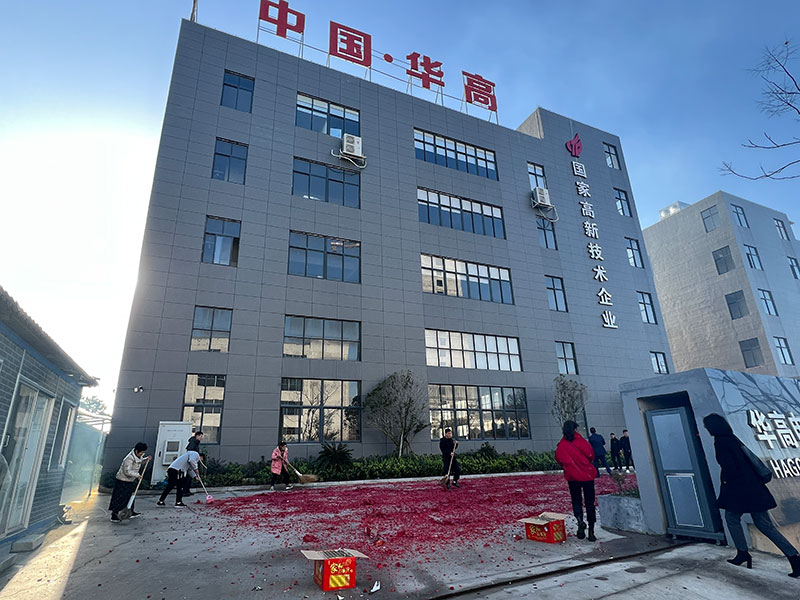
Established in 2008, HAGOE has more than 18 years of experience in power transmission, distribution, power electronics, and new energy electrical solutions.
The company holds more than 34 national patents, with product capabilities covering:
Intelligent DC Power Systems
UPS and Emergency Power Systems
PV Energy Storage Systems
Solar Inverters
Outdoor Integrated Power Systems
Industrial Automation Control Systems
This broader electrical engineering capability allows HAGOE to consider solar-wind-storage systems together with power distribution, energy storage, control, and renewable energy equipment rather than treating the battery system as an isolated product.
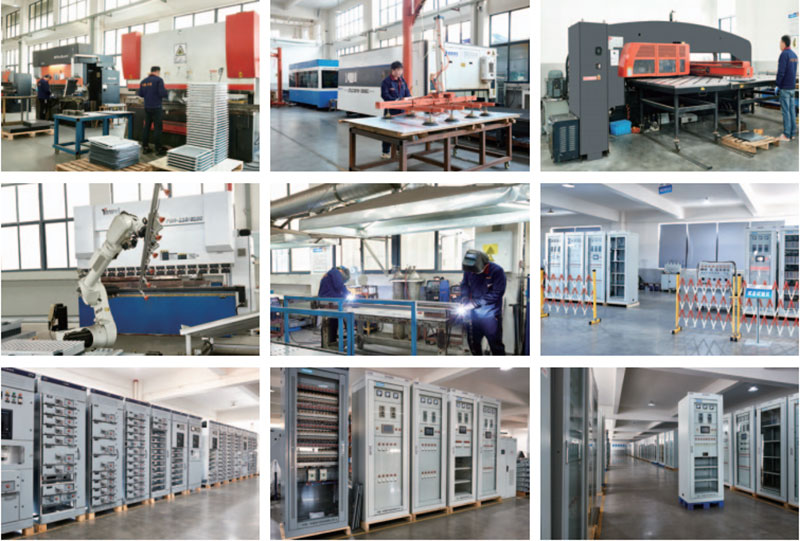
For solar-wind-storage projects, equipment delivery is only one part of the project process. HAGOE can provide:
Technical Consultation
Technical support and equipment selection during the initial project stage.
System Configuration
System configuration according to solar, wind, and load conditions.
Customized Design
Customized system engineering for non-standard applications.
Factory Inspection
Inspection documentation and factory delivery records.
Export Support
Packaging, logistics, customs, and export documentation.
Installation Guidance
Installation instructions and remote technical support.
Yes. A properly designed hybrid renewable energy system can coordinate solar and wind generation through its power conversion and energy management architecture. The actual electrical configuration depends on the PV input, wind turbine controller, battery voltage, and inverter design.
Yes. Off-grid power supply is one of the main application scenarios. The required battery capacity and renewable generation capacity should be calculated according to local resource conditions and load demand.
Solar and wind generation can have different daily generation patterns. Combining them can increase renewable energy availability where suitable wind and solar resources exist.
The system can be configured for off-grid operation. The final configuration should be determined according to the required load power, battery autonomy, PV capacity, wind capacity, and inverter characteristics.
LiFePO4 is suitable for many stationary energy storage applications because of its long cycle capability and stable chemistry. The final battery specification should be selected according to the required capacity, operating environment, and system architecture.
Address
No. 908, Niming Road, Kunpeng Street, Wenzhou Marine Economic Development Demonstration Zone, Wenzhou City, Zhejiang Province, China
Tel