Reliable medium-voltage power distribution depends on equipment that can control electrical circuits, isolate faults, and protect critical infrastructure. Hagoe provides solutions for industrial and utility power applications, and 35kV High Voltage Switchgear is an important consideration for projects requiring dependable switching, electrical protection, and efficient substation operation. Understanding its functions, configuration options, and selection criteria helps engineers, EPC contractors, and procurement teams make informed purchasing decisions.
35kV high voltage switchgear is designed to manage electrical power in medium-voltage distribution networks, substations, industrial facilities, and other demanding electrical environments. By integrating switching devices, protection systems, insulation components, and control functions, it supports safe circuit operation and more effective fault management. This guide explains the working principles, key components, technical considerations, applications, and purchasing criteria that matter when specifying switchgear for a 35kV power system. It also outlines practical questions buyers should discuss with a manufacturer before confirming a project configuration.
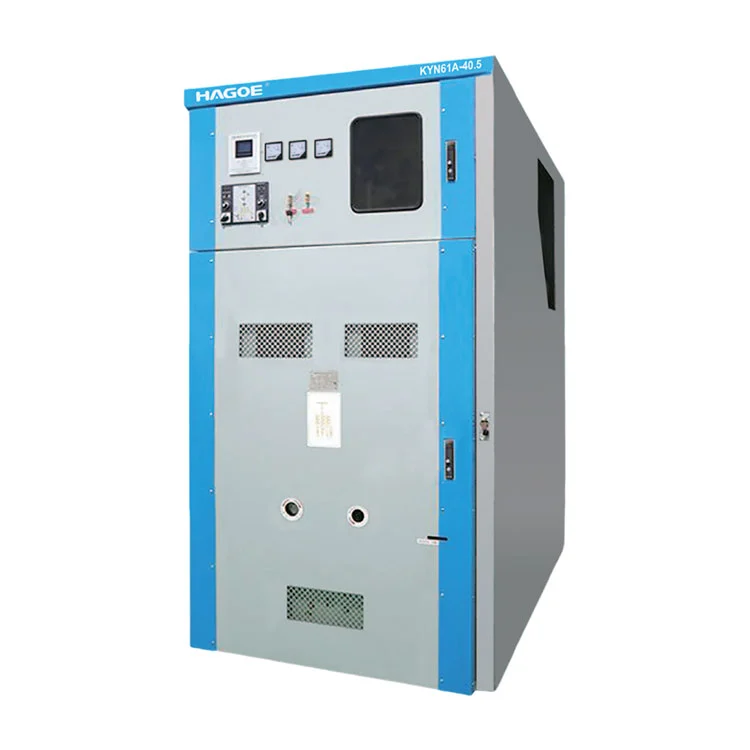
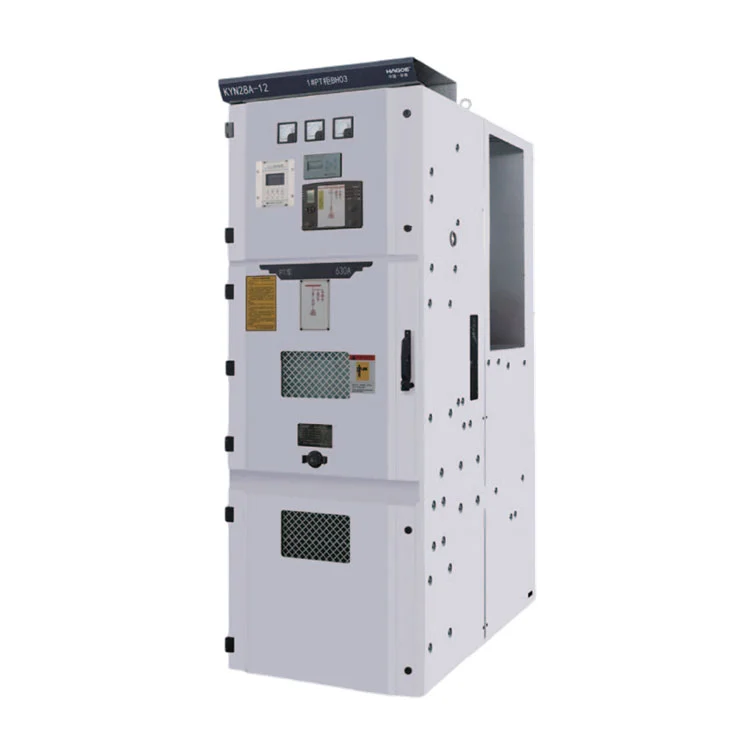
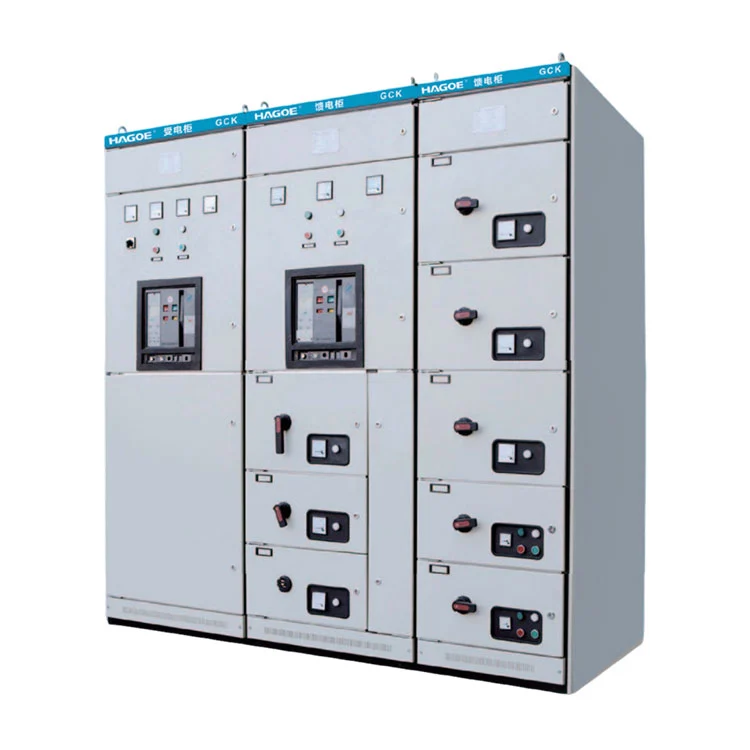
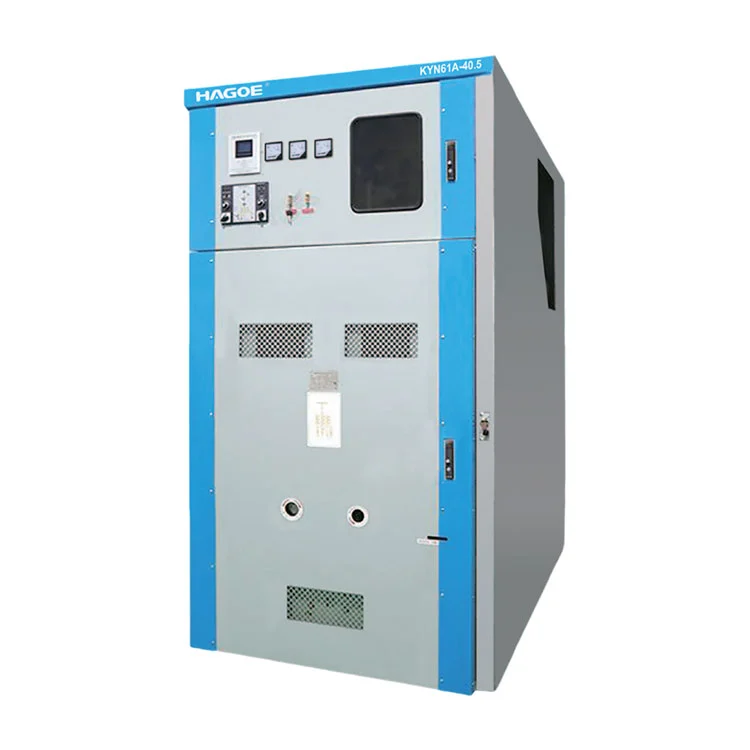
35kV high voltage switchgear is an electrical assembly designed for switching, controlling, protecting, and isolating circuits in power distribution systems operating at a nominal voltage of 35 kilovolts. It is commonly associated with utility substations, industrial power distribution networks, and electrical infrastructure connecting transformers, feeders, and downstream equipment.
Although 35kV equipment is commonly described as high-voltage switchgear in industry and product catalogs, it falls within the medium-voltage range under many international equipment classifications. The exact rated voltage of the switchgear must match the system design, insulation requirements, and applicable standards.
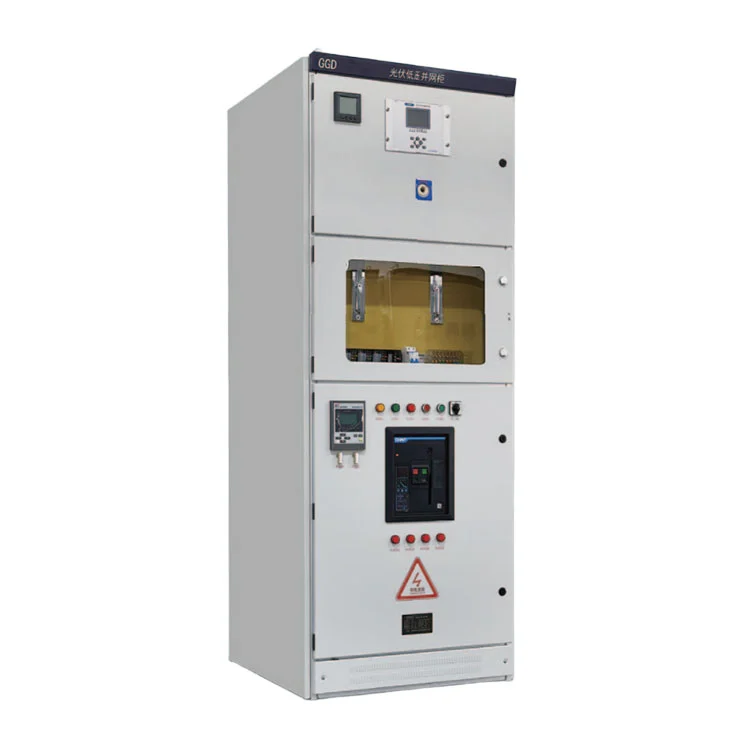
Depending on the project, a switchgear assembly may incorporate circuit breakers, disconnectors, earthing switches, busbars, current transformers, voltage transformers, protective relays, and measurement instruments. These components work together to support routine switching and respond to abnormal electrical conditions.
For engineers comparing available solutions, the Hagoe 35kV High Voltage Switchgear product page is a useful starting point for reviewing product-specific information and discussing project requirements.
The primary function of switchgear is to provide controlled switching and protection between the power source and connected electrical loads. During normal operation, the equipment allows electrical power to flow through the intended circuits. When a fault occurs, the protection system identifies the abnormal condition and initiates the appropriate switching response.
A typical operating sequence involves the following steps:
The exact sequence depends on the protection scheme, operating mechanism, interlocking design, and system configuration. Switchgear selection should therefore consider the complete electrical network rather than the cabinet alone.
A properly engineered 35kV switchgear assembly combines primary electrical equipment with secondary control and protection systems. Each component serves a specific purpose in maintaining operational continuity and managing electrical risks.
Component compatibility is essential. The circuit breaker, insulation system, busbars, protection devices, and operating mechanisms must be engineered as a coordinated assembly rather than selected as unrelated products.
When correctly specified and coordinated with the protection system, switchgear helps isolate faulty circuits and limit the impact of electrical disturbances. Appropriate breaking capacity and short-time withstand ratings are essential for managing the prospective fault current at the installation point.
Well-designed switchgear provides controlled switching and circuit management for substations, industrial plants, and distribution networks. Selective protection can help disconnect the affected section while allowing unaffected parts of the network to remain in service, depending on the system design.
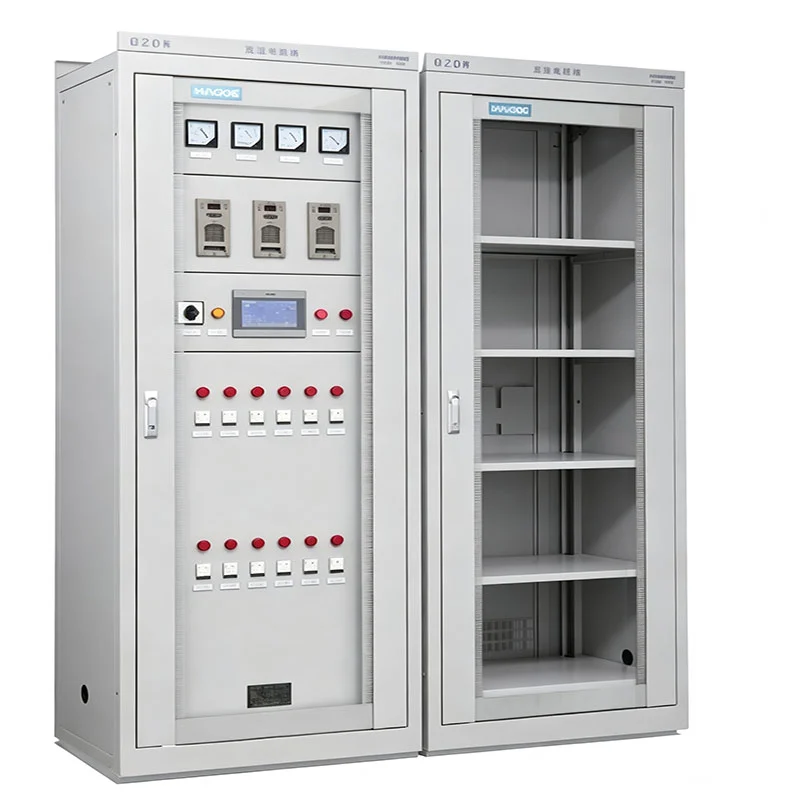
Configured metering, protective relays, interlocks, and control interfaces give operators a structured way to monitor and manage electrical equipment. Remote-control and communication functions may also be available when specified for the project.
Clearly defined compartments, accessible components, suitable isolation arrangements, and documented maintenance procedures can simplify inspection and servicing. The actual maintenance requirements depend on the switchgear technology and manufacturer's instructions.
Switchgear can be configured around the number of feeders, busbar arrangements, circuit protection requirements, and installation conditions. Early coordination between the manufacturer, electrical designer, and project owner helps avoid costly changes during installation.
35kV switchgear serves applications where electrical power must be distributed, controlled, and protected at the appropriate voltage level. Typical use cases include:
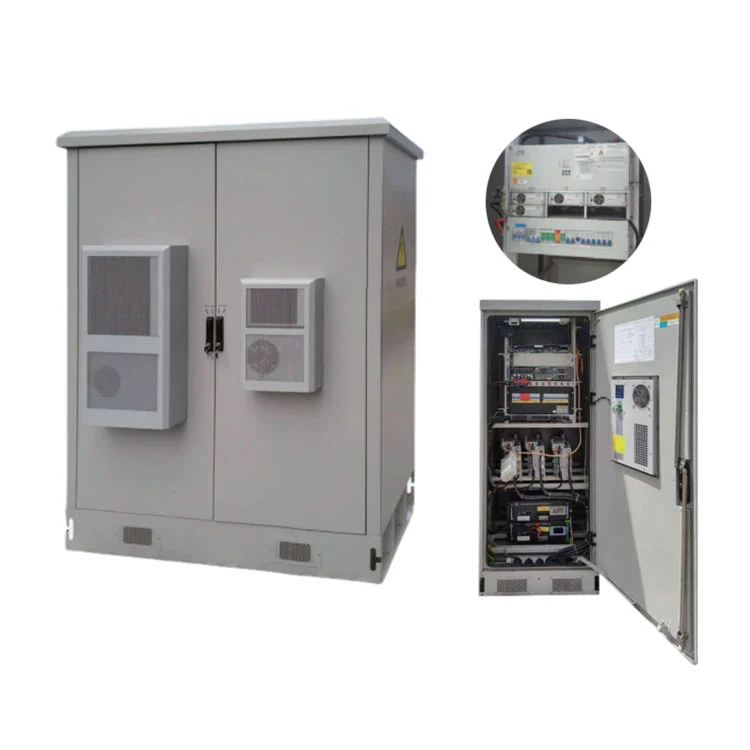
Not every 35kV switchgear design is suitable for every application. Outdoor exposure, altitude, ambient temperature, humidity, pollution, available space, and maintenance access must all be evaluated before the equipment is selected.
Technical evaluation should begin with the electrical system requirements and the applicable project standards. A rated voltage alone does not establish whether a switchgear assembly is suitable for a particular installation.
The following table summarizes key parameters that buyers and engineers should confirm. Values must be taken from the manufacturer's verified technical documentation and the approved project specification; the table does not represent unverified Hagoe product ratings.
| Parameter | What to Check | Why It Matters |
|---|---|---|
| Rated voltage | Compatibility with the 35kV system and specified equipment voltage class | Ensures the equipment is suitable for the system's voltage and insulation requirements. |
| Rated frequency | 50Hz or 60Hz, as required by the network | Supports compatibility with the electrical supply and equipment design. |
| Rated current | Continuous current requirements for each feeder and busbar | Helps prevent operation beyond the equipment's designed thermal limits. |
| Short-circuit breaking current | Breaker interruption capability against the calculated fault level | Determines whether the breaker can interrupt the specified fault current. |
| Short-time withstand current | Specified fault current and withstand duration | Indicates the assembly's ability to withstand short-circuit stresses for the stated period. |
| Insulation level | Power-frequency and lightning-impulse withstand ratings | Supports insulation coordination and reliable operation under specified electrical stresses. |
| Protection degree | Enclosure and compartment protection ratings, where applicable | Helps assess protection against access, solid objects, and environmental exposure. |
| Installation conditions | Indoor or outdoor arrangement, altitude, temperature, humidity, and pollution | Ensures the equipment is appropriate for its actual operating environment. |
| Control and protection | Relay functions, interlocks, communication, and remote-control requirements | Aligns operational capabilities with the site's protection and automation strategy. |
| Applicable standards | Relevant IEC or national standards and project-specific requirements | Provides a basis for technical verification, testing, and acceptance. |
For equipment within the relevant voltage range, IEC 62271-200 may be applicable to AC metal-enclosed switchgear and controlgear above 1kV and up to and including 52kV. Other standards may govern circuit breakers, disconnectors, instrument transformers, and protection functions. Confirm the current applicable editions and the product's declared compliance with the manufacturer.
Choosing 35kV high voltage switchgear requires coordination between electrical performance, installation conditions, operating practices, and lifecycle costs. A structured selection process helps reduce technical uncertainty and procurement delays.
Identify the system voltage, frequency, rated load current, maximum prospective short-circuit current, and required insulation level. Confirm the transformer ratings and the protection philosophy used in the wider network.
Establish the number of incoming and outgoing feeders, busbar arrangement, metering requirements, and need for bus-section or transformer panels. Determine whether fixed or withdrawable components are appropriate for the intended operating and maintenance strategy.
Provide the installation location, available floor space, cable-entry arrangement, altitude, temperature range, humidity, and pollution conditions. Special environments may require additional enclosure, insulation, or environmental protection measures.
Request the applicable standards, type-test evidence where required, routine test documentation, protection arrangements, and operating instructions. Confirm interlocking functions and maintenance access requirements before approving the design.
Do not assess a switchgear quotation solely by its initial purchase price. Compare installation requirements, commissioning, spare parts, maintenance access, technical support, expected service requirements, and the consequences of equipment downtime.
Before placing an order, agree on approved drawings, technical data sheets, inspection and testing requirements, packaging, delivery conditions, and any commissioning support. A clear documentation package makes project coordination and future maintenance more manageable.
Even correctly selected switchgear can underperform if it is installed or operated incorrectly. Installation and maintenance must follow the manufacturer's instructions, approved engineering drawings, applicable electrical regulations, and site safety procedures.
Important practices include:
High-voltage equipment presents serious electrical and arc-flash hazards. Only appropriately trained and authorized personnel should install, operate, test, or service the equipment. Never rely on a control indication alone as proof that a circuit is safe to work on.
It is used to switch, control, isolate, and protect electrical circuits in compatible substations, industrial facilities, utility distribution networks, and renewable energy installations. Its configuration depends on the network design and project requirements.
In many international equipment classifications, 35kV equipment falls within the medium-voltage range, although manufacturers and industry catalogs commonly use the term high voltage switchgear. The applicable classification depends on the relevant standard and local industry terminology.
Air-insulated switchgear uses air as the primary insulating medium for applicable energized parts, while gas-insulated designs use a specified insulating gas within enclosed components. Their footprints, environmental considerations, maintenance requirements, and installation constraints differ. The most suitable option depends on the project specification and available technologies.
Rated current should be determined from the expected continuous load, system design, transformer capacity, feeder requirements, and applicable operating margins. The selected busbars and switching devices must also meet the relevant thermal and short-circuit requirements.
IEC 62271 series standards may apply to the switchgear assembly and its switching devices, depending on the product design and voltage rating. Buyers should confirm the exact applicable standards, editions, local regulations, and required test documentation with the manufacturer and project engineer.
Many manufacturers can configure switchgear according to feeder quantity, busbar arrangement, rated current, protection functions, control requirements, cable connections, and installation conditions. Customization options should be confirmed against the manufacturer's product range and verified technical capabilities.
Prepare the system voltage and frequency, required rated current, calculated fault level, single-line diagram, incoming and outgoing feeder details, installation environment, protection requirements, applicable standards, quantity, and expected delivery schedule. Providing this information helps the manufacturer evaluate the application and prepare a more accurate proposal.
Review the approved drawings, component specifications, quality documentation, applicable type-test evidence, and agreed routine test reports. Where required, arrange an inspection or factory acceptance test according to the project quality plan before shipment.
Selecting the right 35kV High Voltage Switchgear involves more than matching a nominal voltage. Buyers must consider rated current, short-circuit performance, insulation coordination, protection functions, installation conditions, applicable standards, maintenance access, and long-term operating costs. A clearly defined specification and early engineering coordination help ensure that the selected equipment fits the electrical network and project objectives.
Hagoe can be your starting point when evaluating switchgear options for a power distribution project. Visit the 35kV High Voltage Switchgear product page to review the available product information and discuss your technical requirements. If you are planning a substation upgrade, an industrial power distribution installation, or a new electrical infrastructure project, contact us to discuss your application, request detailed specifications, and explore a suitable switchgear solution for your project.