Article Summary: An AC power supply is a fundamental part of modern electrical infrastructure, but selecting the right configuration involves much more than matching voltage and current ratings. The load type, protection strategy, enclosure, installation environment, cable arrangement, maintenance access, and future expansion requirements can all affect system reliability. This article explains how an AC power supply works within industrial and infrastructure applications, what components are commonly used, how to select a suitable solution, and how a properly engineered system can reduce electrical risks, simplify maintenance, and support stable equipment operation. HAGOE provides AC power supply panels and AC panel boxes that can be configured for different project requirements, including industrial equipment, infrastructure, telecommunications, renewable energy, and localized power distribution.
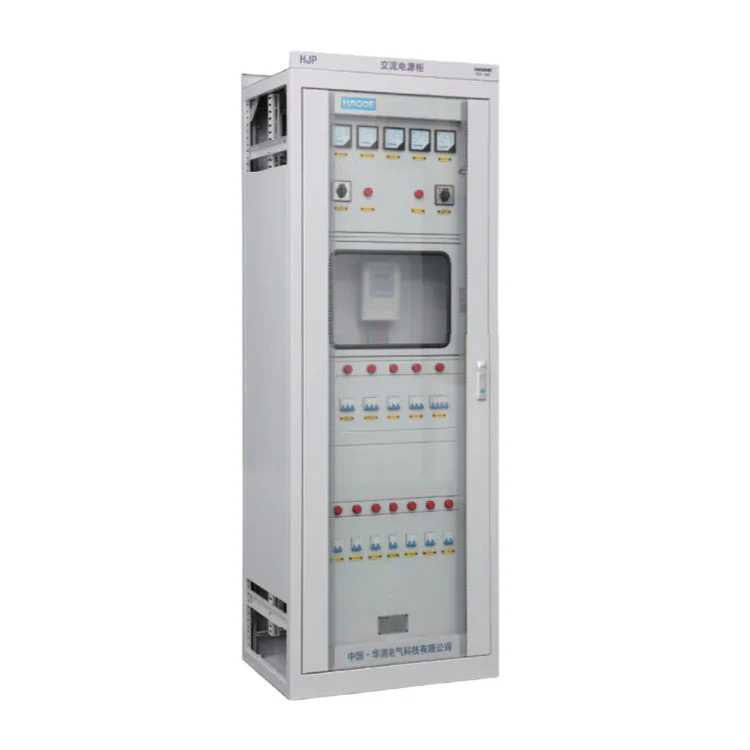
An AC power supply is an electrical system or assembly designed to receive alternating-current power and deliver it safely and reliably to equipment, circuits, or downstream electrical systems. In practical industrial applications, the term can refer to more than a basic source of electrical energy. A properly engineered AC power supply assembly may combine power distribution, circuit isolation, overcurrent protection, measurement, switching, control, and terminal connections in one coordinated solution.
This distinction is important because electrical loads rarely operate in isolation. A factory may have motors, automation equipment, control systems, lighting, communication equipment, and auxiliary devices sharing the same electrical infrastructure. Without appropriate distribution and protection, a problem in one branch circuit can affect other equipment and cause unnecessary downtime.
Modern AC power supply equipment therefore needs to be designed around the complete application rather than a single electrical rating. Voltage, current, load characteristics, fault conditions, environmental exposure, enclosure requirements, cable routing, and maintenance access should all be considered before the equipment is specified.
HAGOE develops AC power supply solutions for industrial equipment, infrastructure projects, telecommunications facilities, renewable energy systems, and other applications requiring controlled and protected AC power distribution.
The basic operating process of an AC power supply assembly can be understood as a controlled path between the incoming electrical source and connected loads.
This architecture creates a more organized electrical interface. Instead of connecting numerous loads directly to an uncontrolled supply, the system provides defined circuits with appropriate protection and isolation points.
The exact arrangement depends on the project. A compact machine-mounted box may need only a small number of protected circuits, while an industrial auxiliary power panel may require multiple branch circuits, meters, isolators, contactors, and other components.
The internal configuration of an AC power supply should be selected according to the electrical requirements and operating environment. Common components include:
| Component | Primary Function | Typical Consideration |
|---|---|---|
| Main circuit breaker | Provides primary circuit protection and switching | Rated current, voltage, interrupting capability |
| Branch circuit breakers | Protect individual downstream circuits | Load current and coordination |
| Isolator | Provides electrical isolation for operation or maintenance | Isolation requirements and installation method |
| Fuse | Provides overcurrent protection | Fuse type, rating, and application |
| Contactor | Enables electrical switching and control | Load type and switching frequency |
| Meter | Provides electrical measurement | Voltage, current, power, or other monitored parameters |
| Terminal blocks | Organize field wiring connections | Conductor size and connection arrangement |
| Busbar | Distributes electrical power within the assembly | Current capacity, insulation, and clearance |
| Enclosure | Protects electrical components and wiring | Material, dimensions, environment, and protection level |
Not every AC power supply requires all of these components. An effective design avoids unnecessary complexity while providing the functions required by the application.
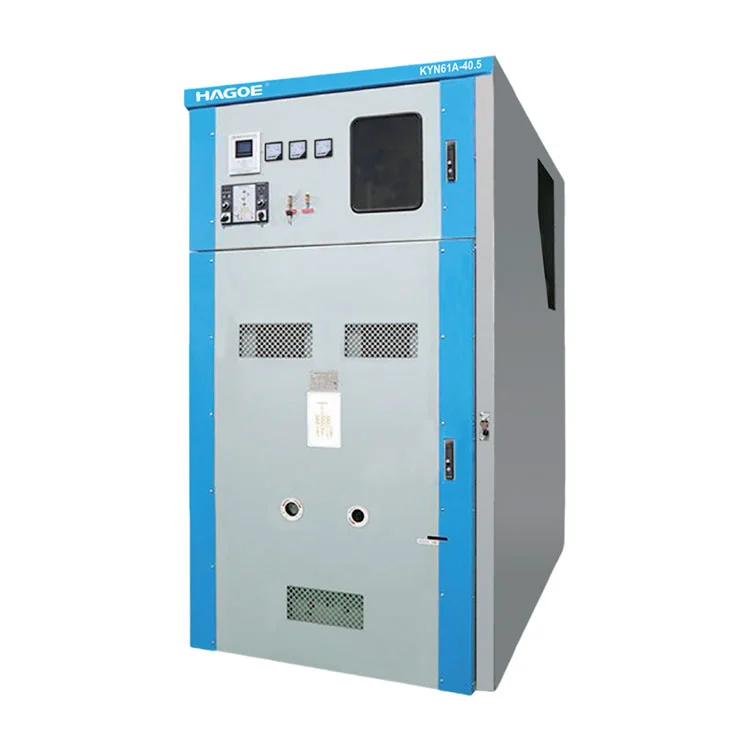
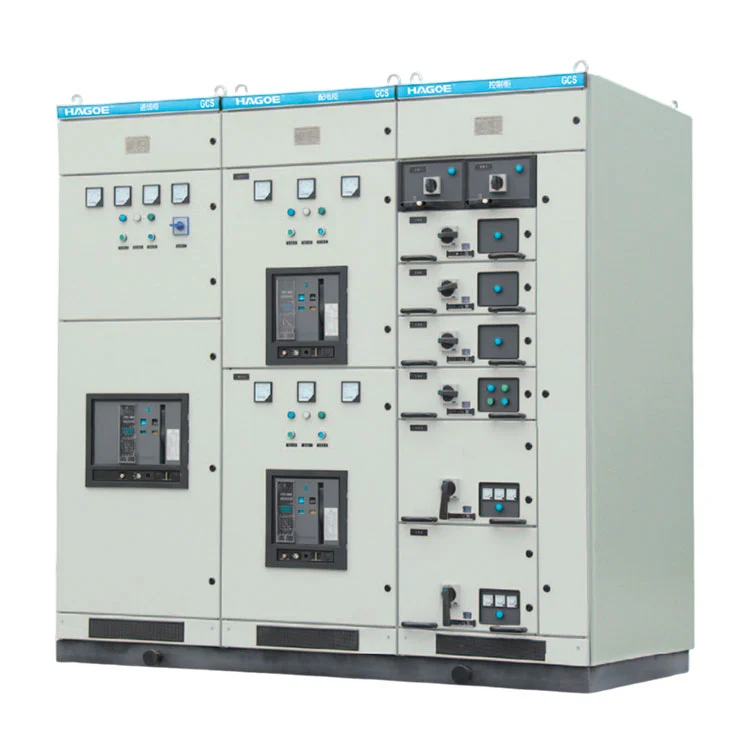
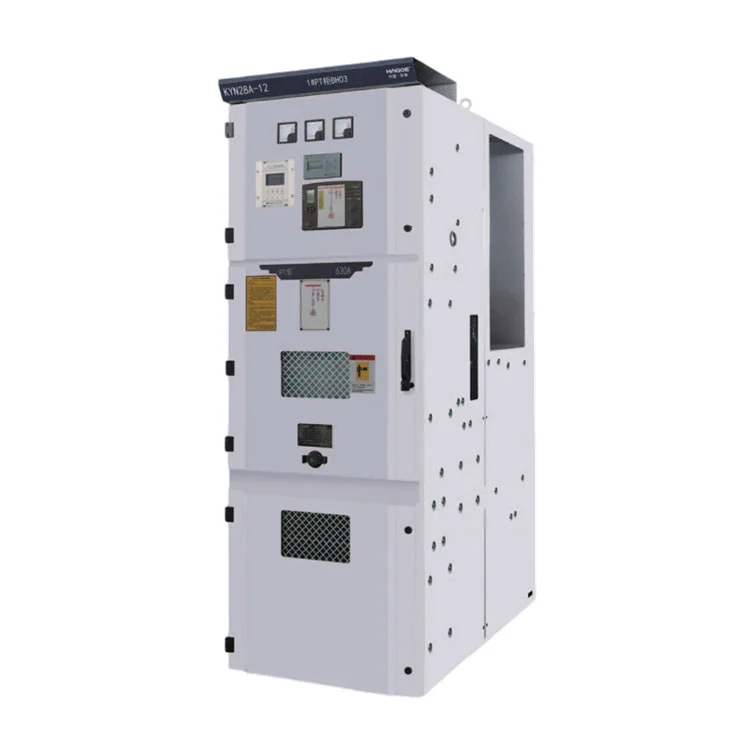
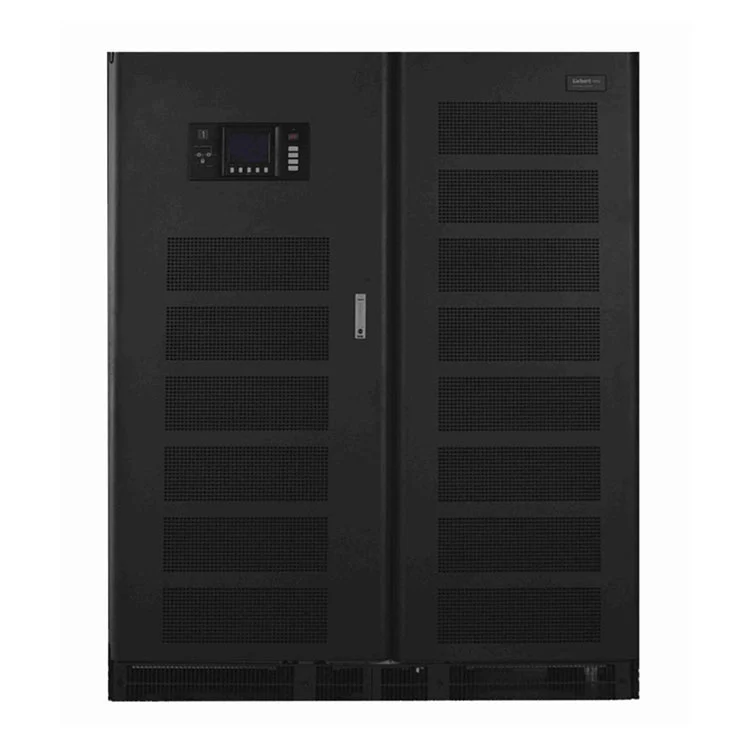
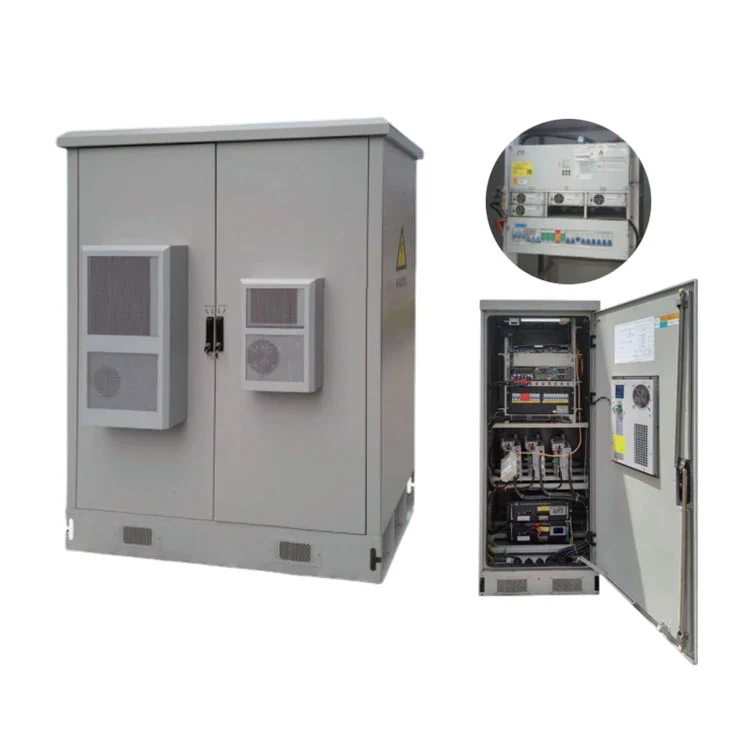
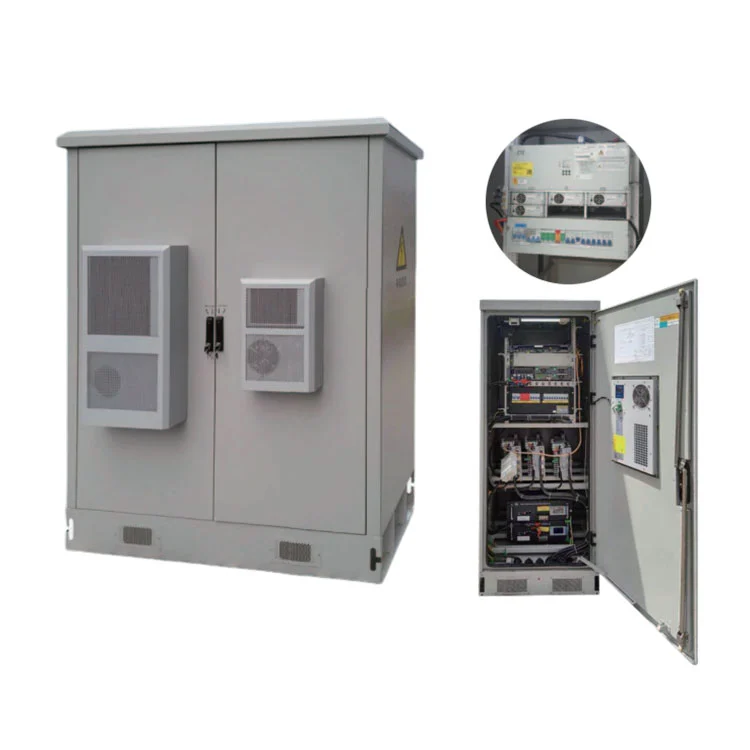
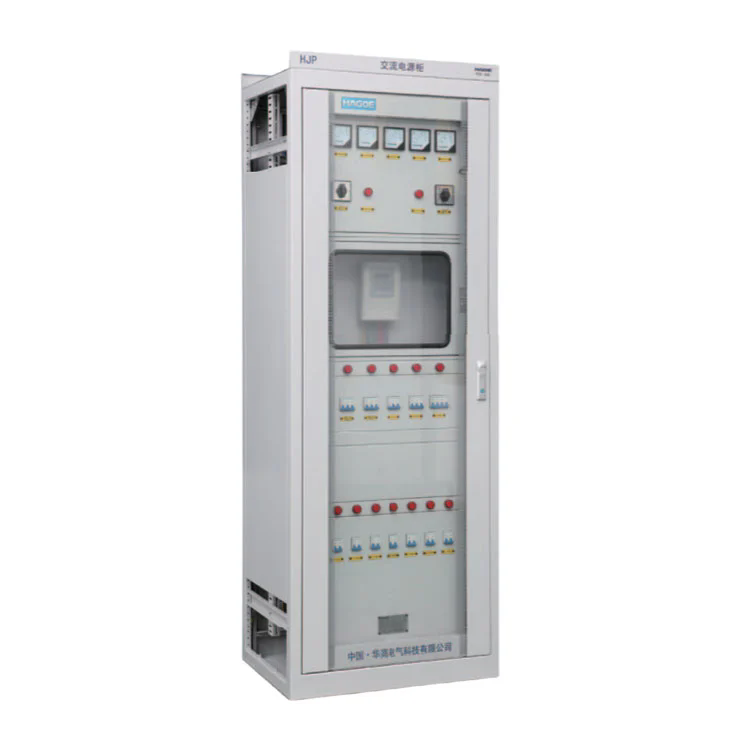
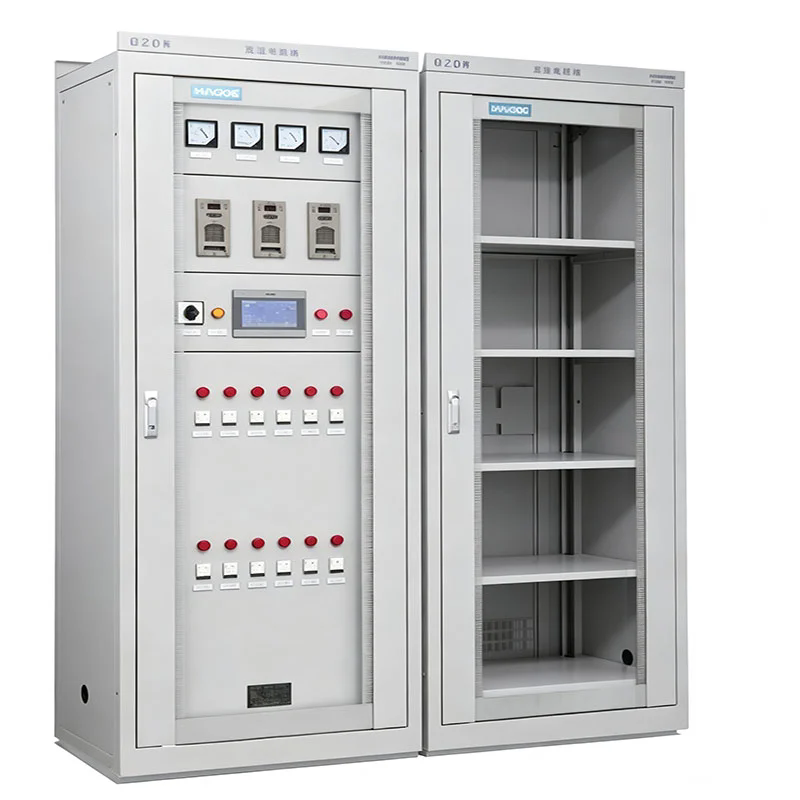
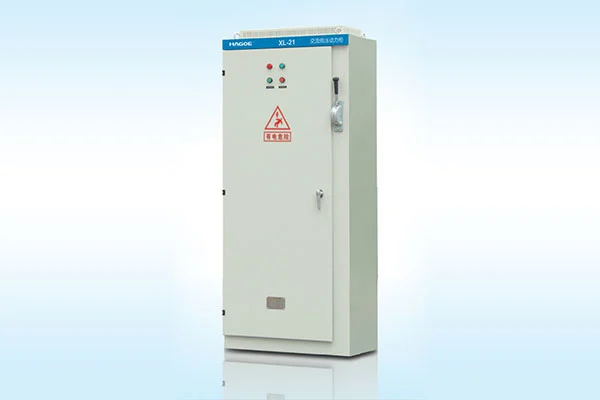
Two common configurations are an AC power supply panel and an AC panel box. Although their functions overlap, their physical form and intended installation can be different.
For a large industrial installation, a panel may be preferable because it can accommodate multiple circuits and a broader component arrangement. For a machine builder or equipment integrator, a compact panel box can simplify localized wiring and reduce the space required for electrical components.
The correct choice depends on the number of circuits, installation location, available space, cable routing, maintenance requirements, and environmental conditions.
Choosing an AC power supply based only on nominal voltage and current can create problems later. A better approach is to evaluate the complete electrical application before finalizing the specification.
For project-based procurement, supplying a single-line diagram, load list, equipment specifications, installation drawings, and cable requirements can make the engineering process much more accurate.
Different electrical loads create different demands on an AC power supply. A resistive heater, for example, behaves differently from a motor or an electronic control system.
| Load Type | Typical Characteristic | Design Attention |
|---|---|---|
| Resistive loads | Generally predictable current demand | Continuous current and thermal loading |
| Inductive loads | Can involve reactive power and switching effects | Protection and switching device selection |
| Motors | Starting current can exceed running current | Starting conditions, protection, and switching |
| Electronic equipment | May be sensitive to power quality and interruptions | Protection, monitoring, and system compatibility |
| Mixed industrial loads | Several load types operate simultaneously | Load calculation, circuit separation, and coordination |
Ignoring starting current or transient conditions can result in nuisance tripping or an undersized system. Conversely, excessive oversizing may increase equipment cost and cabinet dimensions without providing meaningful operational benefits.
A balanced design should therefore consider both present operating conditions and realistic future requirements.
Electrical protection is one of the most important functions of an AC power supply assembly. Protective devices help isolate abnormal circuits and reduce the potential impact of electrical faults.
However, protection is only one part of the overall design. The enclosure also plays an important role because it determines how electrical components are protected from the surrounding environment and how safely personnel can interact with the equipment.
Important enclosure considerations include:
HAGOE's AC power supply solutions can be configured according to installation conditions, enclosure requirements, cable arrangements, and project-specific electrical specifications. This is particularly useful when standard off-the-shelf equipment does not fit the site's physical or electrical constraints.
AC power supply equipment is used across a wide range of industries because most industrial and commercial electrical systems require a controlled interface between the incoming source and individual loads.
Industrial Manufacturing: Production facilities use AC power supply assemblies for machinery, automation systems, control equipment, auxiliary loads, and localized electrical distribution. Proper circuit organization can make troubleshooting easier and reduce the impact of individual electrical faults.
Power and Infrastructure: Infrastructure projects may require dependable auxiliary power for field equipment, control systems, electrical rooms, and other supporting installations. The equipment may need to satisfy specific project drawings and environmental requirements.
Telecommunications: Telecom facilities contain sensitive communication and control equipment that depends on organized electrical distribution. AC power supply assemblies can provide protected power interfaces for equipment and auxiliary systems.
Renewable Energy: Photovoltaic and energy storage projects contain multiple electrical subsystems. AC power supply equipment can be used for auxiliary circuits, local control equipment, protection functions, and other AC-side applications.
Machinery and Equipment: Compact AC panel boxes can be integrated into or installed alongside machinery to provide local protection, switching, and connection points. This can help equipment manufacturers create a more organized electrical architecture.
HAGOE Electric Technology Co., Ltd. has been involved in electrical equipment manufacturing and engineering since 2008. Its capabilities cover research and development, engineering design, manufacturing, testing, sales, and export services.
For customers purchasing AC power supply equipment, the value of a manufacturer is not limited to the physical cabinet. Project requirements often involve electrical configuration, drawings, component selection, enclosure dimensions, documentation, packaging, and technical coordination. A manufacturer capable of supporting these stages can help reduce communication gaps between procurement, engineering, installation, and commissioning teams.
HAGOE supports both standardized products and customized solutions. Its AC power supply range includes AC Power Supply Panels and AC Panel Boxes that can be configured according to project requirements.
For overseas EPC contractors, distributors, equipment manufacturers, and industrial users, this project-oriented approach can be especially useful when standard dimensions or standard electrical configurations are not sufficient.
Even a well-designed AC power supply requires correct installation and routine inspection. Before energization, qualified electrical personnel should verify that the installation matches the approved drawings and applicable local requirements.
A practical inspection program can include:
Maintenance intervals should be determined according to the equipment, operating environment, duty cycle, manufacturer recommendations, and applicable regulations. Any inspection or repair involving energized electrical equipment should be performed only by appropriately qualified personnel following the site's safety procedures.
Several avoidable mistakes can make an AC power supply more expensive or less reliable than necessary.
1. What is an AC power supply?
An AC power supply is an electrical source or assembly designed to receive, control, protect, distribute, or deliver alternating-current power to connected equipment. Industrial AC power supply panels can combine distribution, protection, switching, measurement, and connection functions.
2. What is the difference between an AC power supply panel and an AC panel box?
An AC power supply panel is generally intended for a more comprehensive arrangement of AC input, distribution, protection, and control circuits. An AC panel box is usually more compact and is suitable for localized equipment-level power distribution or control.
3. What information should I provide when requesting an AC power supply?
Useful information includes system voltage, rated current, number of circuits, load types, installation environment, enclosure requirements, cable entry direction, mounting method, monitoring requirements, applicable standards, and project drawings. A single-line diagram and load list can make technical evaluation much easier.
4. Can an AC power supply be customized?
Yes. Depending on the project, an AC power supply can be configured around electrical ratings, circuit quantity, protective devices, enclosure dimensions, component layout, cable entry, mounting arrangement, monitoring functions, nameplates, and documentation requirements.
5. Where are AC power supply panels commonly used?
Typical applications include industrial manufacturing, infrastructure, telecommunications, renewable energy projects, automation systems, auxiliary power systems, and machinery integration.
6. Why is enclosure selection important?
The enclosure protects electrical components and wiring from environmental and mechanical conditions. Dust, moisture, temperature, installation location, cable routing, and maintenance access should all be considered when selecting the enclosure.
7. Can HAGOE support overseas projects?
HAGOE provides engineering and export support for applicable projects, including technical consultation, customized manufacturing, quality documentation, export packaging, logistics coordination, installation guidance, and after-sales technical support.
A reliable AC power supply is more than an enclosure containing electrical components. It is an important interface between the upstream power source and downstream equipment, combining power distribution, protection, isolation, switching, monitoring, and organized wiring according to the requirements of the application.
The most effective solution begins with a clear understanding of the electrical load and installation environment. Voltage and current are essential starting points, but load characteristics, fault conditions, enclosure requirements, cable routing, maintenance access, monitoring needs, and future expansion should also be evaluated.
For industrial users, equipment manufacturers, EPC contractors, infrastructure developers, telecom facilities, and renewable energy projects, working with an experienced manufacturer can simplify this process. HAGOE combines electrical engineering, manufacturing, testing, customization, and export support to develop AC power supply solutions for different project conditions.
If you are evaluating an AC power supply panel, AC panel box, or a customized AC power distribution solution, provide your electrical specifications, load information, drawings, and installation requirements to HAGOE. Contact us to discuss your project requirements and find a practical AC power supply configuration for your application.