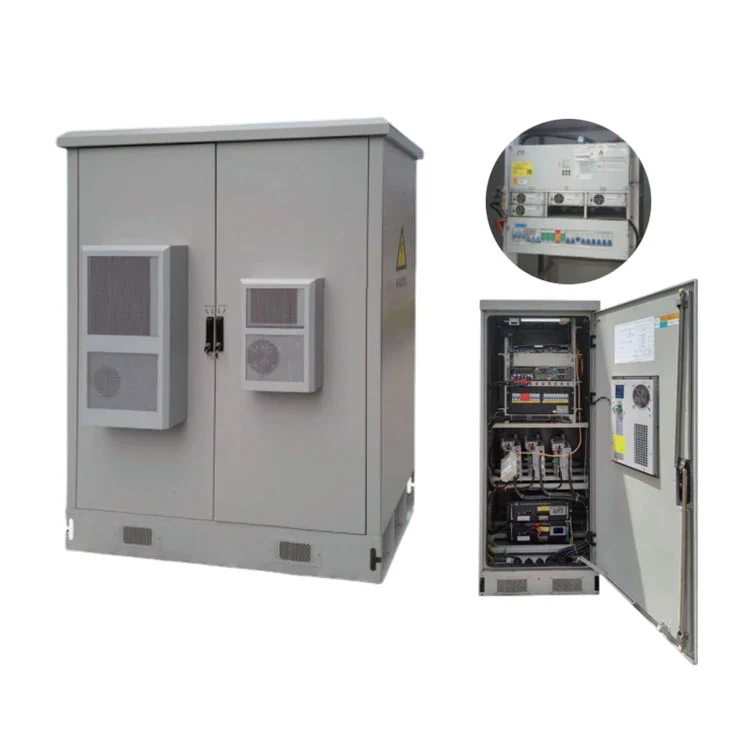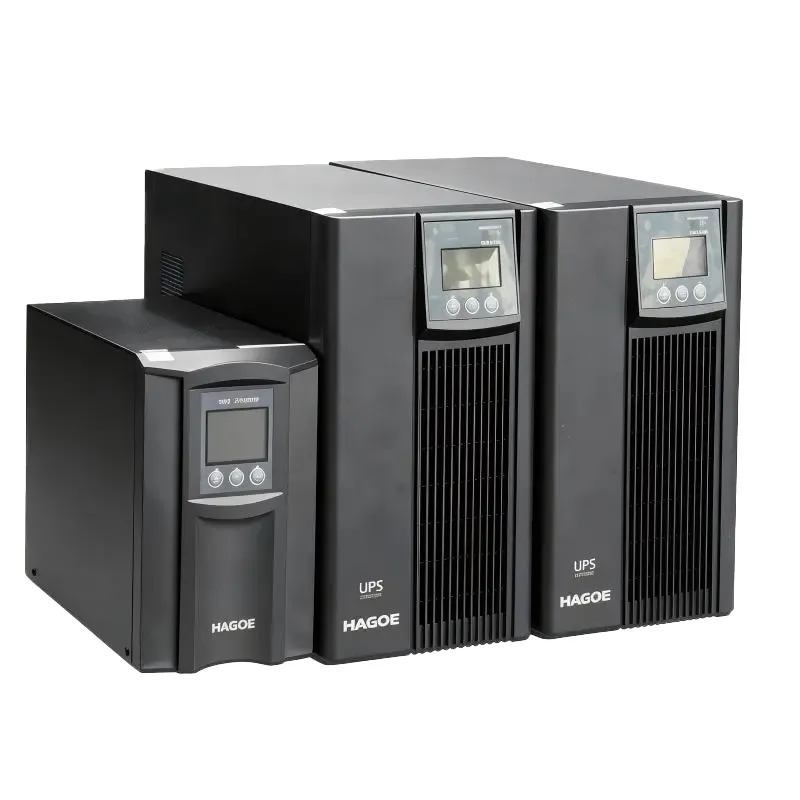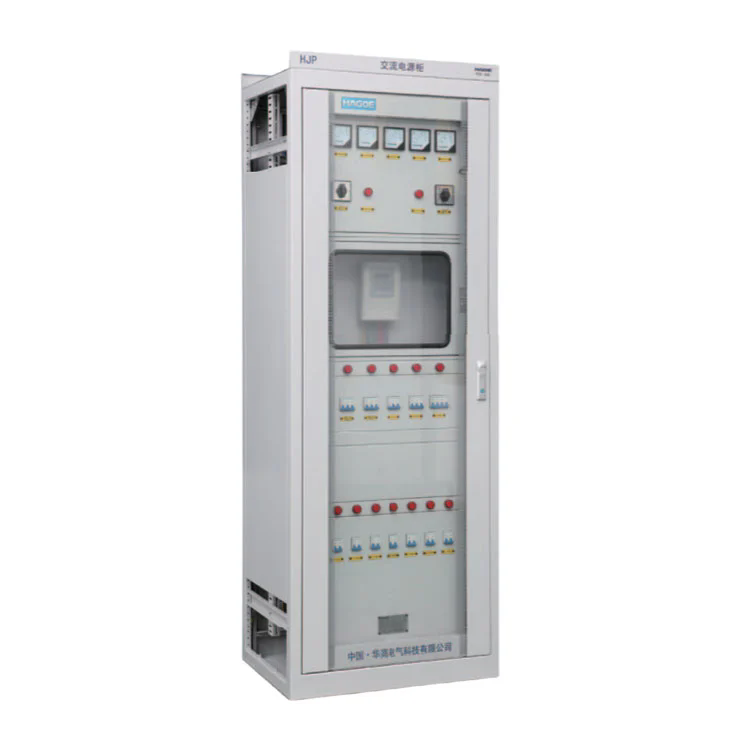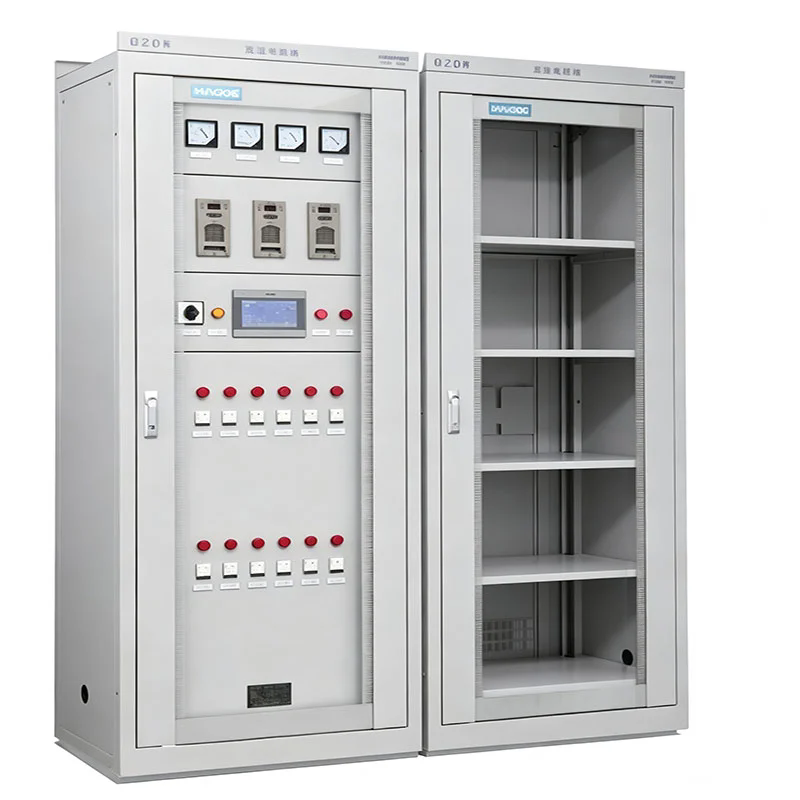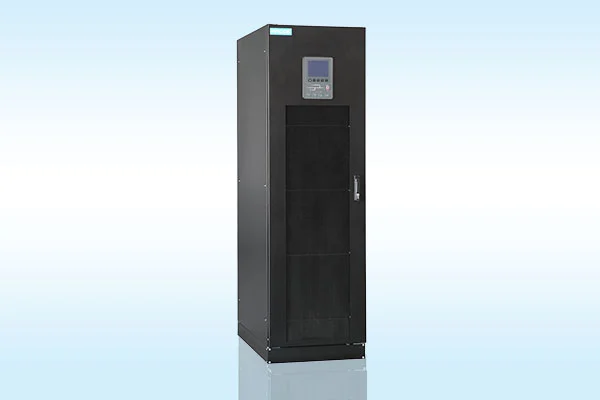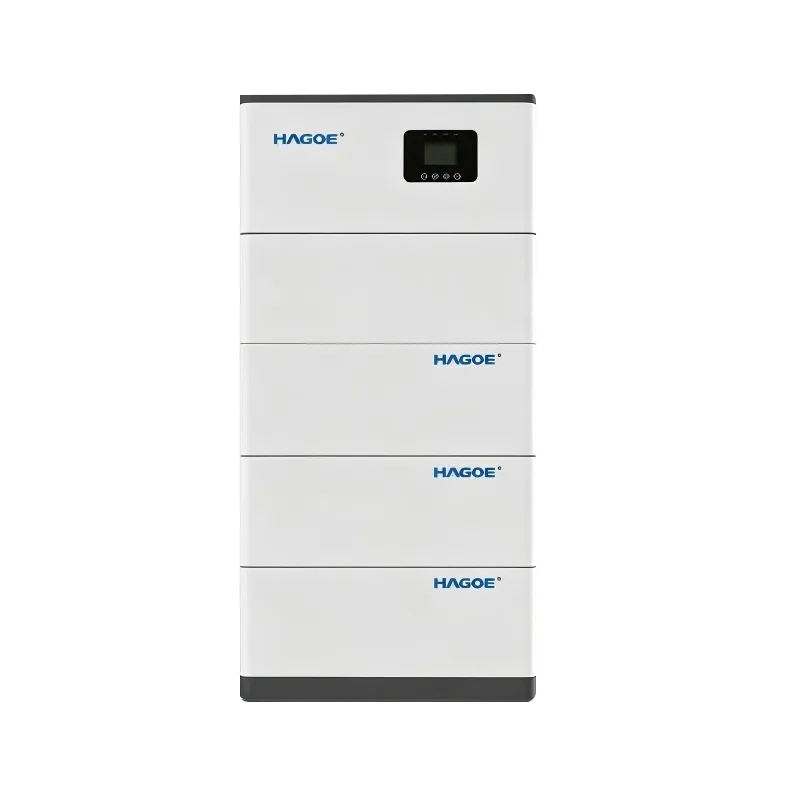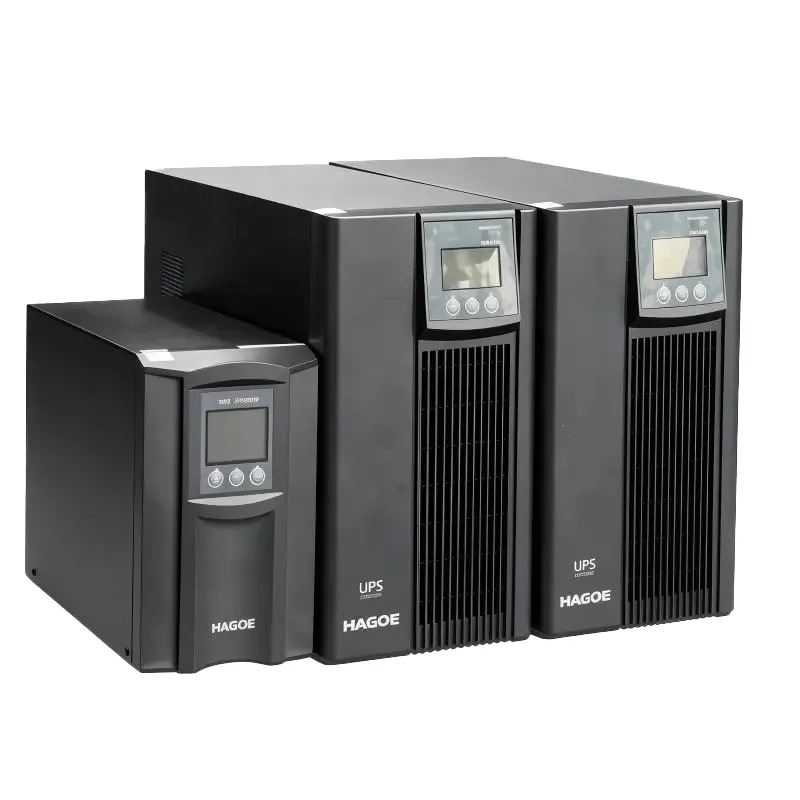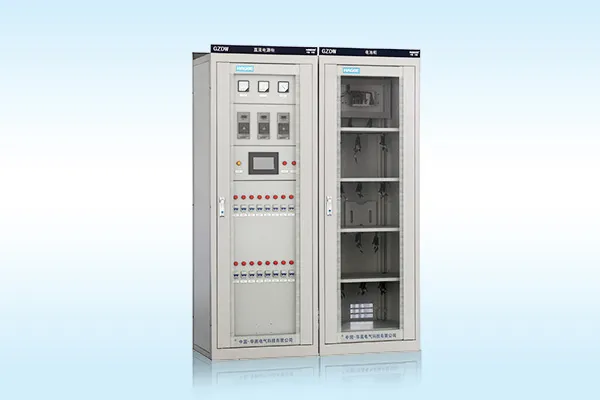
Article Summary: An Energy Storage Power Supply provides a practical way to store electricity when energy is available and deliver it when demand increases or renewable generation decreases. By combining battery storage, power conversion, intelligent energy management, and appropriate protection systems, it can help households, remote facilities, telecom sites, agricultural projects, and small off-grid installations improve power continuity and make better use of renewable energy. This article explains how an Energy Storage Power Supply works, which components matter, how to select the right configuration, and how HAGOE approaches energy storage as an integrated electrical system rather than simply a battery.
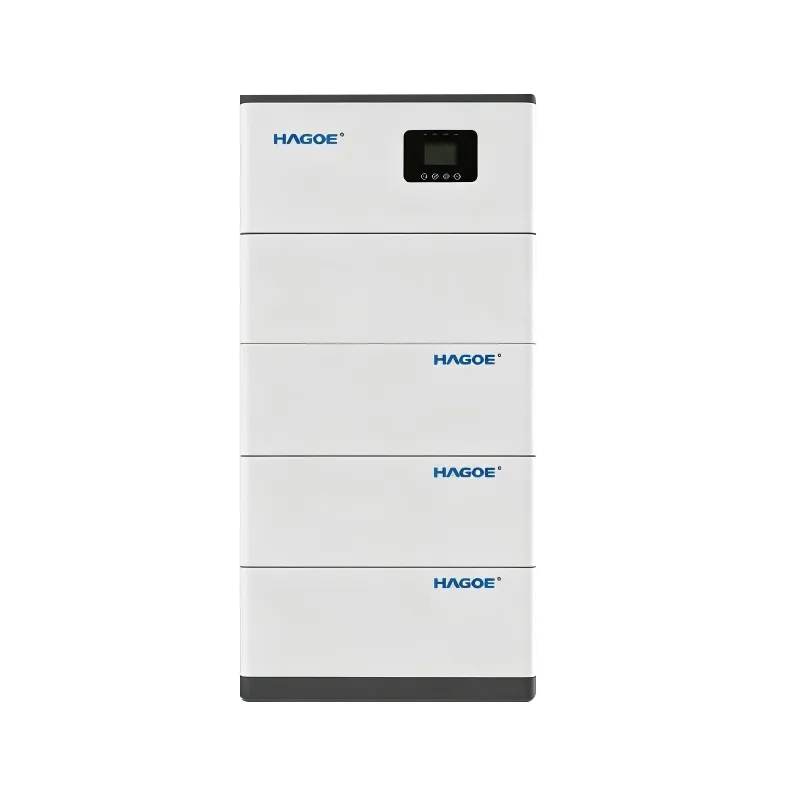
Table of Contents
- Understanding Energy Storage Power Supply
- How an Energy Storage Power Supply Works
- Key Components of an Energy Storage Power Supply
- Which Energy Problems Can It Solve?
- Energy Storage and Renewable Energy
- Main Types of Energy Storage Power Supply Applications
- How to Select the Right Energy Storage Power Supply
- Energy Storage Power Supply vs. Traditional Backup Power
- Installation and Operating Considerations
- Why Consider HAGOE for Energy Storage Projects?
- Energy Storage Selection Checklist
- Frequently Asked Questions
- Conclusion
1. Understanding Energy Storage Power Supply
Modern electrical systems increasingly need to manage energy rather than simply consume electricity as it becomes available. Renewable sources such as solar and wind can generate substantial power, but their output changes according to sunlight, weather, season, and local conditions. At the same time, electrical loads may require stable power at times when renewable generation is low.
An Energy Storage Power Supply addresses this mismatch by storing electrical energy and releasing it when required. Instead of allowing surplus electricity to go unused, the system can capture available energy, store it in a battery system, convert it through power electronics, and deliver electricity to designated loads according to operating requirements.
A complete energy storage solution therefore involves much more than battery capacity. Battery modules, a Battery Management System (BMS), inverter or power conversion equipment, Energy Management System (EMS), protection devices, monitoring functions, and system controls must work together.
For residential applications, the system can store excess photovoltaic generation for later household use. For remote installations, an Energy Storage Power Supply can coordinate multiple energy sources and provide electricity where grid access is limited. The right configuration depends on the load, energy sources, backup requirements, installation environment, and expected operating pattern.
2. How an Energy Storage Power Supply Works
The operating principle is straightforward: energy enters the system, is stored under controlled conditions, and is released when the load requires it. The challenge lies in managing each stage safely and efficiently.
A typical operating cycle includes the following steps:
- Energy generation or grid input: Electricity comes from photovoltaic panels, wind generation, the utility grid, or another configured source.
- Power conversion: Power electronics regulate the electrical characteristics required for charging or supplying the load.
- Battery charging: Surplus or scheduled electricity is stored in the battery system.
- Energy monitoring: The BMS and EMS monitor battery status, operating conditions, load demand, and other system parameters.
- Energy discharge: When demand rises or renewable generation falls, stored energy is released.
- Load supply: Converted electrical energy is delivered to household, commercial, industrial, communication, or remote loads.
For example, a home with photovoltaic generation may produce more electricity during midday than the household immediately consumes. Instead of wasting that surplus, the Energy Storage Power Supply can store the energy. During the evening, when solar production is unavailable but household demand remains, the stored energy can be discharged to support selected loads.
This operating pattern can increase the practical utilization of renewable electricity while providing an additional layer of power availability.
3. Key Components of an Energy Storage Power Supply
Reliable energy storage depends on coordinated system architecture. Each component has a specific role, and weaknesses in one part of the system can affect overall performance.
| Component | Primary Function | Why It Matters |
|---|---|---|
| Battery System | Stores electrical energy | Determines available energy capacity and contributes to system operating duration |
| Battery Management System | Monitors and manages battery conditions | Supports controlled and coordinated battery operation |
| Inverter / Power Converter | Converts and regulates electrical power | Allows stored energy to be used by the intended electrical loads |
| Energy Management System | Coordinates energy flow | Helps determine when energy should be stored, supplied, or sourced elsewhere |
| Protection Equipment | Protects electrical circuits and equipment | Supports safer system operation and equipment protection |
| Monitoring Interface | Displays operating information | Makes system status and energy behavior easier to supervise |
The interaction between these components is particularly important. Selecting a high-capacity battery without properly matching the inverter, load profile, charging source, and control strategy can result in an inefficient or poorly balanced system.
4. Which Energy Problems Can It Solve?
Many energy storage projects begin with a practical problem rather than a desire to install a battery. Understanding that problem is the first step toward selecting an appropriate system.
- Unstable grid availability: Stored electricity can support selected loads when the primary grid source becomes unavailable, subject to system design.
- Low renewable-energy utilization: Excess solar or other renewable generation can be stored for later use.
- Variable renewable output: Energy storage can help bridge periods when renewable generation falls below demand.
- Remote power requirements: Storage can support independent energy systems where conventional grid infrastructure is difficult or expensive to access.
- Changing electricity demand: Energy can be stored during suitable periods and discharged according to the configured energy-management strategy.
- Dependence on one energy source: Hybrid systems can combine sources such as solar, wind, grid electricity, and battery storage.
The actual benefit depends on system configuration. Energy storage is not automatically a solution to every electrical problem. The battery, power conversion system, generation sources, and loads must be evaluated together.
5. Energy Storage and Renewable Energy
One of the strongest applications for an Energy Storage Power Supply is renewable energy integration.
Solar generation typically varies throughout the day. Production may be strong around midday but decrease substantially in the evening. Household or facility demand, however, does not necessarily follow the same pattern.
Energy storage creates a buffer between generation and consumption. When renewable generation exceeds immediate demand, the system can charge the battery. When renewable production falls, the stored energy can be discharged.
Wind energy presents a different generation profile because wind conditions can change independently of solar availability. In suitable locations, combining solar and wind generation with energy storage can diversify the energy input and reduce reliance on a single renewable resource.
A hybrid architecture can therefore include:
- Solar photovoltaic generation
- Wind generation
- Battery energy storage
- Grid input where available
- Inverter and power conversion equipment
- Intelligent energy management
- Electrical protection and monitoring
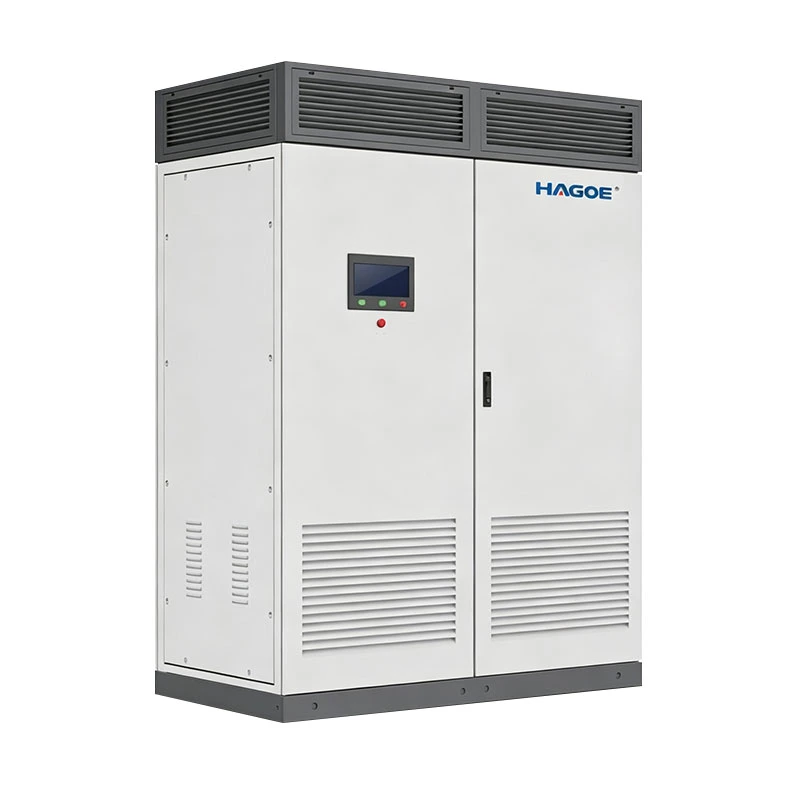
HAGOE provides energy storage solutions designed around different operating scenarios, including residential energy storage and solar-wind energy storage configurations for applications where renewable sources and storage need to operate as one coordinated power system.
6. Main Types of Energy Storage Power Supply Applications
| Application | Typical Objective | Important Design Factors |
|---|---|---|
| Residential | Solar self-consumption and backup | Daily consumption, solar capacity, backup loads, installation space |
| Remote Residence | Independent electricity supply | Renewable resources, autonomy requirements, environmental conditions |
| Telecom Site | Continuous or backup power | Load stability, remote monitoring, reliability, maintenance access |
| Agricultural Facility | Power remote equipment | Motor loads, operating schedules, environmental conditions |
| Monitoring Station | Maintain communication and monitoring | Low continuous loads, autonomy, remote supervision |
| Small Off-Grid Project | Independent renewable power | Generation balance, storage capacity, load profile, weather conditions |
7. How to Select the Right Energy Storage Power Supply
The most common mistake in energy storage selection is starting with battery capacity before defining the actual electrical requirements. A larger battery is not necessarily a better solution if the inverter, renewable generation, load, or control system is incorrectly sized.
A practical selection process should evaluate the following factors.
1. Calculate daily energy consumption.
Determine how many kilowatt-hours the facility normally consumes over a typical operating period. Separate essential loads from non-essential loads if backup operation is required.
2. Identify the maximum power demand.
Energy capacity and power capacity are different. A system may have sufficient stored energy but still require a higher power rating to operate multiple loads simultaneously.
3. Evaluate renewable generation.
If solar or wind generation is included, assess the generation capacity and expected operating conditions. Storage capacity should be coordinated with the amount and pattern of renewable energy available.
4. Define backup duration.
Decide whether backup is needed for short interruptions, several hours, or longer periods of independent operation. This directly affects the required energy storage capacity.
5. Check load characteristics.
Resistive loads, electronics, motors, pumps, communication equipment, and other electrical devices can have different operating and starting requirements. Motor starting currents, in particular, should not be overlooked.
6. Consider the installation environment.
Indoor and outdoor installations can have different requirements. Temperature, humidity, dust, ventilation, enclosure protection, accessibility, and installation space should all be considered.
7. Plan for future expansion.
If the customer expects to add photovoltaic capacity, increase electrical loads, or expand storage later, the initial system architecture should account for possible future requirements.
8. Energy Storage Power Supply vs. Traditional Backup Power
An Energy Storage Power Supply and a conventional backup power solution may both provide electricity when the primary source is unavailable, but their operating objectives can be different.
| Factor | Energy Storage Power Supply | Traditional Backup Approach |
|---|---|---|
| Primary Purpose | Energy storage, energy management, renewable integration and backup | Primarily emergency or interruption backup |
| Renewable Integration | Well suited to solar and wind integration | Depends strongly on the selected architecture |
| Energy Scheduling | Can be coordinated through energy management controls | Usually focused on maintaining power during an outage |
| Off-Grid Potential | Suitable for appropriately designed independent systems | Depends on the energy source and backup architecture |
This distinction is important when selecting equipment. A system designed only around short-term backup may not provide the energy management functions required for renewable self-consumption or extended off-grid operation.
9. Installation and Operating Considerations
Correct installation is essential for obtaining dependable performance from an Energy Storage Power Supply. Even a well-designed system can perform poorly if the installation environment does not match its specifications.
- Installation location: Select a suitable location with appropriate environmental conditions and adequate access for inspection.
- Ventilation and thermal management: Heat generated during electrical operation must be managed according to the system design.
- Electrical protection: Appropriate protection and isolation devices should be included according to the system architecture and applicable electrical requirements.
- Cable sizing: Conductors should be selected according to current, voltage, distance, installation conditions, and applicable standards.
- Load separation: Critical and non-critical loads may need to be separated so that available stored energy is prioritized appropriately.
- Monitoring: Regular monitoring can help identify abnormal operating conditions before they become larger problems.
- Maintenance: Inspection and maintenance requirements should follow the manufacturer's instructions and the actual site environment.
For remote installations, monitoring and serviceability become particularly important because technicians may not be able to reach the equipment quickly. A system should therefore be selected with its complete operating environment in mind, not simply its nominal storage capacity.
10. Why Consider HAGOE for Energy Storage Projects?
HAGOE approaches Energy Storage Power Supply projects from an integrated electrical-system perspective. Rather than treating energy storage as an isolated battery product, HAGOE combines energy storage with power electronics, intelligent control, power supply technology, and renewable-energy applications.
This approach is valuable because real-world projects rarely have identical requirements. A residential system may prioritize solar self-consumption and household backup, while a remote monitoring station may prioritize continuous low-power operation. A telecom site can have different requirements again, particularly where remote supervision and reliable auxiliary power are important.
HAGOE's energy storage product directions include residential energy storage solutions and integrated solar-wind energy storage systems. Depending on the project, configurations can be designed around factors such as:
- Required energy storage capacity
- Peak and continuous load power
- Solar generation capacity
- Wind generation availability
- Grid availability
- Required backup duration
- Installation environment
- Monitoring and communication requirements
- Future system expansion
HAGOE also has experience across related electrical equipment and power-system applications. This broader perspective can help when an energy storage project needs to be coordinated with other electrical equipment rather than installed as a standalone battery unit.
11. Energy Storage Selection Checklist
Before requesting an Energy Storage Power Supply quotation, preparing accurate project information can make the configuration process faster and more precise.
| Project Information | Questions to Answer |
|---|---|
| Application | Residential, telecom, agriculture, remote monitoring, commercial or off-grid? |
| Energy Demand | How many kWh are normally consumed per day? |
| Load Power | What are the continuous and maximum power requirements? |
| Renewable Source | Is solar, wind, or another renewable source available? |
| Backup Requirement | How long must essential loads operate without the primary source? |
| Environment | Will the equipment be installed indoors, outdoors, or in a remote location? |
| Expansion | Will storage, generation, or electrical loads increase in the future? |
The more complete the project information, the easier it is to avoid oversizing, undersizing, incompatible components, and unnecessary expenditure.
12. Frequently Asked Questions
Q1: What is an Energy Storage Power Supply?
An Energy Storage Power Supply is an integrated electrical system that stores energy and supplies it when required. It can combine battery storage, power conversion, battery management, energy management, protection, and monitoring functions.
Q2: Can an Energy Storage Power Supply work with solar panels?
Yes. Energy storage can be integrated with photovoltaic generation so that excess solar electricity can be stored and used later. The exact configuration depends on the solar system, load requirements, inverter architecture, and storage capacity.
Q3: Can energy storage provide backup power during a grid outage?
Yes, when the system is specifically configured for backup operation. The available backup duration depends on usable storage capacity, load power, system efficiency, and the number of loads being supplied.
Q4: Is a larger battery always better?
No. Storage capacity should be matched to actual energy consumption, renewable generation, backup requirements, load characteristics, and future expansion plans. Oversizing can increase project cost without providing proportional practical benefits.
Q5: Can solar and wind energy be combined with battery storage?
Yes. A properly designed hybrid system can coordinate solar generation, wind generation, battery storage, power conversion, and energy management. This can be particularly useful in remote or weak-grid applications.
Q6: What loads can an Energy Storage Power Supply support?
Depending on the system rating and configuration, it can support household appliances, lighting, communication equipment, monitoring systems, agricultural equipment, and other electrical loads. Motor-driven equipment requires special attention to starting power.
Q7: What information should I provide when requesting a quotation?
Useful information includes application type, daily energy consumption, continuous and peak load power, available solar or wind generation, desired backup duration, grid conditions, installation environment, and future expansion requirements.
Q8: Can HAGOE provide customized Energy Storage Power Supply solutions?
Yes. HAGOE can evaluate system requirements and configure energy storage solutions according to the application, energy sources, load characteristics, installation conditions, and required operating performance.
13. Conclusion
An Energy Storage Power Supply is more than a battery connected to an electrical load. It is a coordinated power system designed to manage when energy is generated, stored, converted, and consumed.
For homes, it can help increase the practical use of solar energy and provide backup power for selected loads. For remote facilities, it can combine renewable generation and battery storage to support independent operation. For telecom, agricultural, monitoring, and small off-grid applications, a properly engineered system can provide a flexible alternative to relying entirely on a conventional grid connection.
The most important selection principle is to start with the application rather than the battery. Daily energy consumption, peak power, renewable generation, backup duration, load characteristics, installation environment, and future expansion should all be considered before determining the final system configuration.
With experience across power electronics, power supply systems, renewable energy applications, and electrical equipment, HAGOE can support customers looking for an Energy Storage Power Supply matched to their actual project requirements. If you are planning a residential, renewable, remote, telecom, agricultural, or off-grid energy storage project, contact us to discuss your application, power requirements, storage capacity, and customized system configuration.