Article Summary
A DC Power Supply Panel is a critical component for ensuring stable, uninterrupted, and efficient DC power distribution in industrial facilities, substations, communication systems, and automation applications. As electrical systems become more intelligent and demanding, businesses need reliable solutions that can maintain continuous operation during power interruptions, protect sensitive equipment, and simplify maintenance processes.
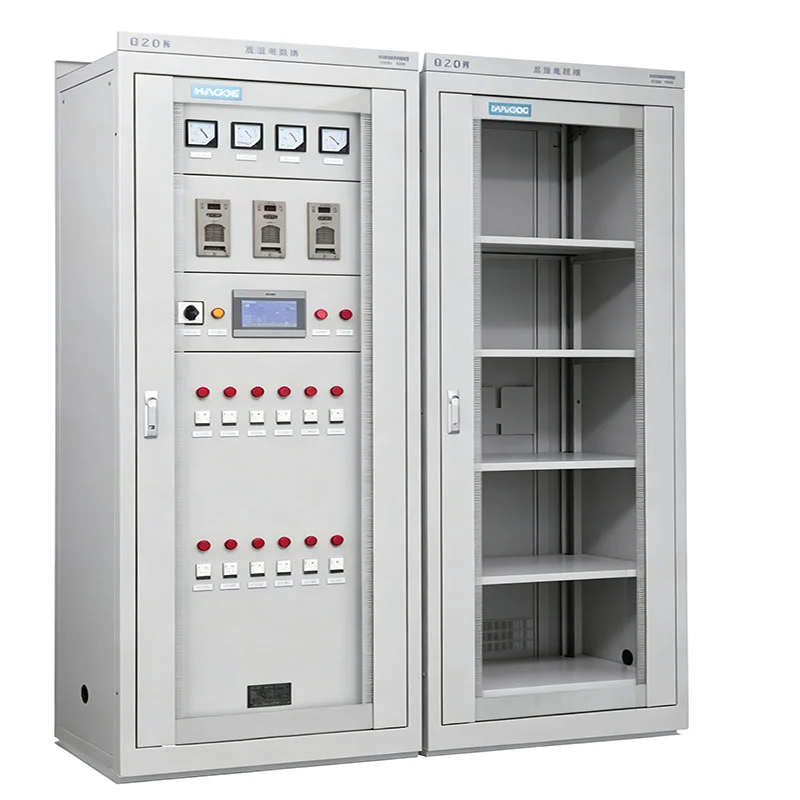
This article explains how a DC Power Supply Panel works, why it is important, what problems it solves, how to select the right configuration, and how advanced solutions from HAGOE help industries achieve safer and more dependable power management.
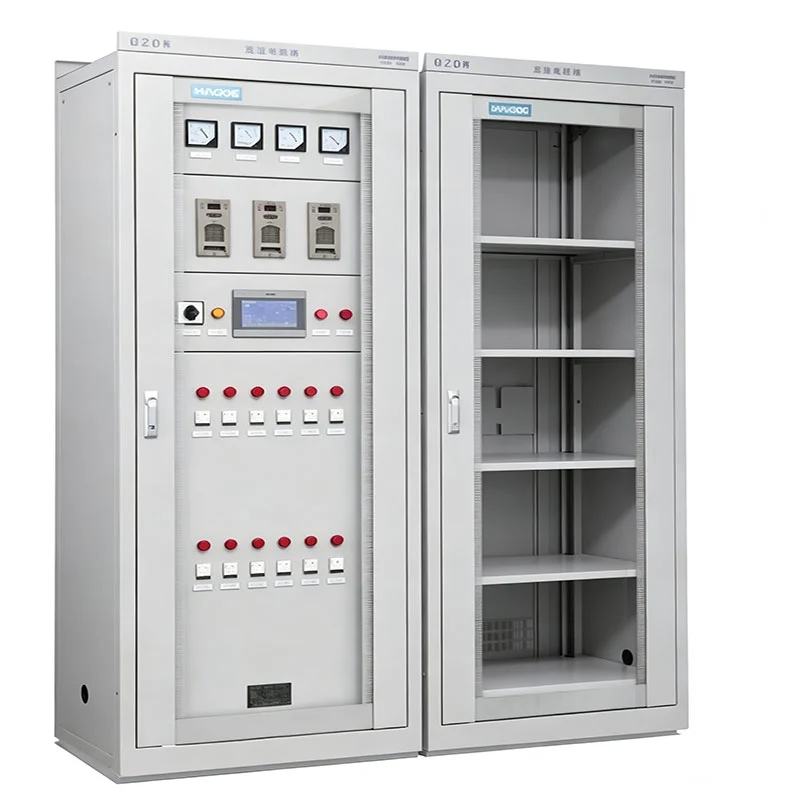
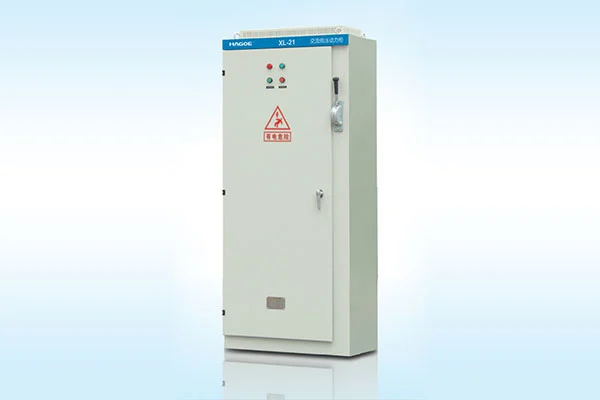
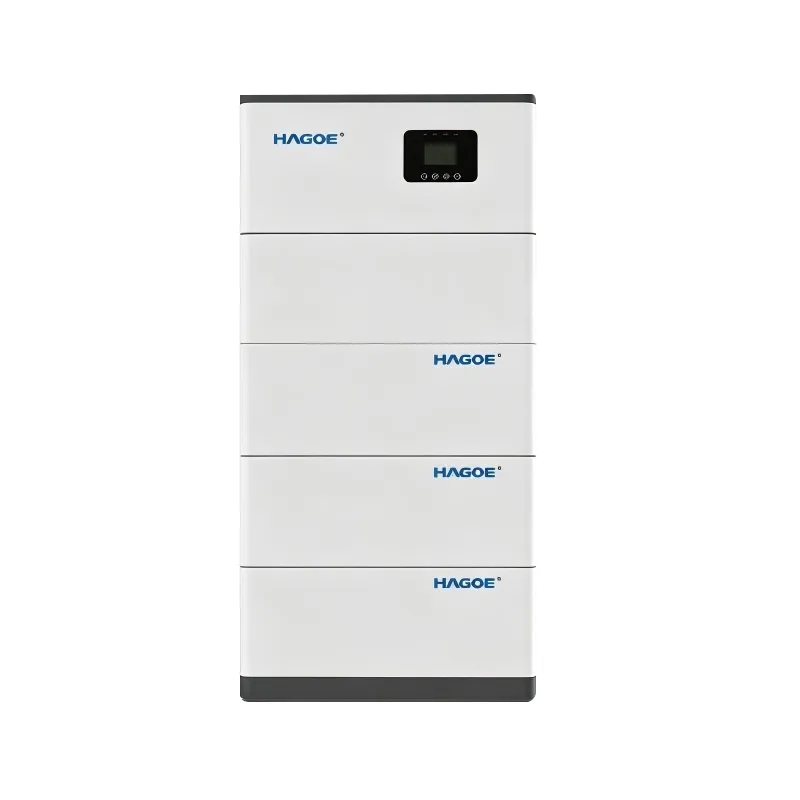
A DC Power Supply Panel is an integrated electrical equipment system designed to convert, regulate, distribute, and monitor direct current power for critical electrical devices. Unlike ordinary power distribution equipment, a DC Power Supply Panel focuses on maintaining a stable DC output even when the main AC power supply experiences interruption or fluctuation.
Many industries depend on continuous DC power for protection systems, control equipment, communication devices, automation controllers, and emergency operating mechanisms. A properly designed DC Power Supply Panel provides backup capability through battery management while ensuring that connected devices receive consistent voltage and current.
Modern electrical infrastructure requires higher reliability because unexpected power failures can result in production downtime, equipment damage, safety risks, and financial losses. Therefore, a DC Power Supply Panel has become an essential solution for facilities that cannot tolerate power interruptions.
The operating principle of a DC Power Supply Panel involves several coordinated processes, including AC conversion, DC regulation, battery charging, power distribution, and system monitoring.
| Working Process | Main Function | Benefits |
|---|---|---|
| AC Input Conversion | Converts incoming AC power into DC power through rectifier modules | Provides stable DC energy for connected loads |
| Voltage Regulation | Maintains the required DC output voltage level | Protects sensitive electrical devices |
| Battery Charging Management | Controls charging and discharging processes | Ensures backup power availability |
| Power Distribution | Supplies DC power to multiple circuits | Improves system organization and safety |
| Monitoring and Protection | Detects faults and abnormal conditions | Reduces maintenance risks and downtime |
During normal operation, the panel receives AC power and converts it into regulated DC output. At the same time, the battery system remains charged and ready for emergency use. When AC power fails, the battery automatically supplies DC power to maintain uninterrupted operation.
This automatic transition capability makes DC Power Supply Panels especially valuable for applications such as substations, railway systems, industrial automation, and emergency control systems.
Many companies face challenges related to unstable electricity supply, complex wiring systems, and unexpected equipment shutdowns. A DC Power Supply Panel directly addresses these issues by providing a centralized and intelligent power management solution.
For industries where reliability is essential, installing a high-quality DC Power Supply Panel can significantly improve system availability and operational efficiency.
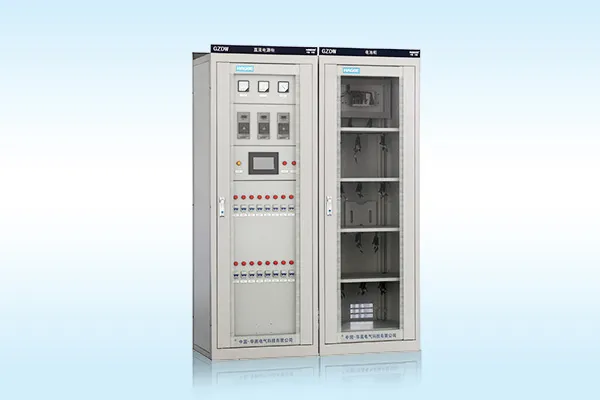
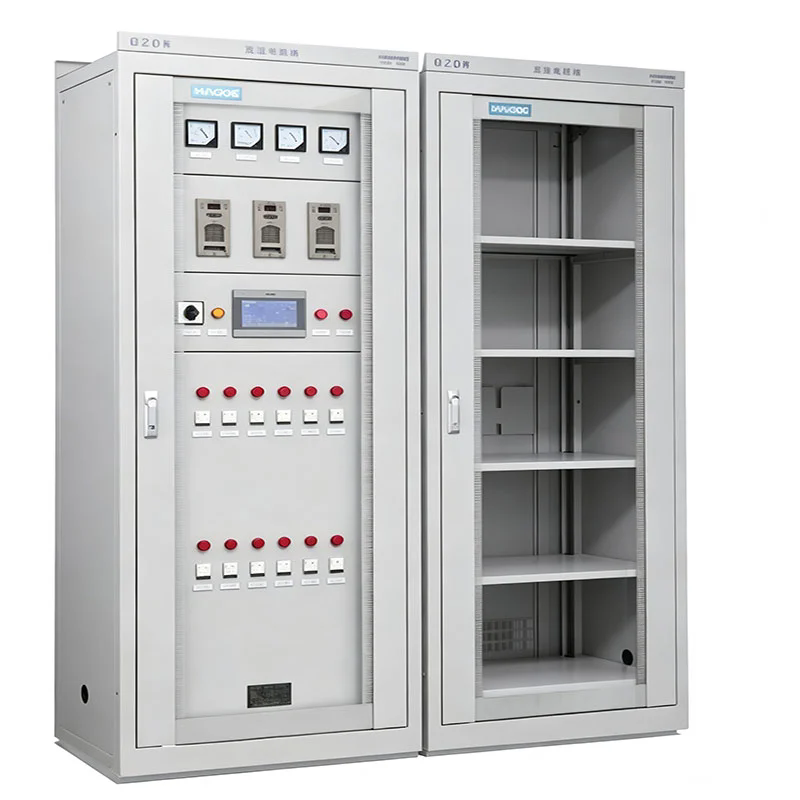
A professional DC Power Supply Panel consists of multiple components working together to create a stable and intelligent power system. Understanding these components helps users select equipment that matches their operational requirements.
| Component | Purpose |
|---|---|
| Rectifier Module | Converts AC electricity into regulated DC power |
| Monitoring Unit | Displays operating parameters and system status |
| Battery System | Provides backup power during AC failure |
| Distribution Unit | Controls DC output circuits and load management |
| Protection Device | Provides over-voltage, over-current, and short-circuit protection |
| Communication Interface | Supports remote monitoring and intelligent control |
The combination of these components determines the reliability, efficiency, and service life of the complete DC power system.
Choosing a DC Power Supply Panel should not be based on rated output alone. The correct solution must match the electrical architecture, connected load, backup requirements, environmental conditions, and future expansion plans of the installation. Selecting an undersized system may cause overloads and insufficient backup capacity, while an unnecessarily large system can increase investment and operating costs.
Before purchasing, engineering teams should evaluate the following factors carefully:
| Selection Factor | Key Question | Why It Matters |
|---|---|---|
| DC Voltage | What voltage do the connected loads require? | Ensures compatibility with control and protection equipment |
| Load Capacity | What is the maximum continuous and transient load? | Prevents overload and unstable operation |
| Backup Time | How long must the system operate after AC failure? | Determines required battery capacity |
| Redundancy | Can the system continue operating if a module fails? | Improves availability for critical installations |
| Monitoring | Is remote supervision required? | Helps operators identify faults quickly |
| Environment | Where will the panel be installed? | Influences enclosure and component selection |
A good design should also leave reasonable capacity for future equipment. Electrical loads often increase as facilities add automation systems, communication equipment, monitoring devices, or additional protection functions. Planning for expansion at the design stage can reduce the cost and complexity of future modifications.
HAGOE focuses on electrical power equipment designed to support dependable power distribution and control applications. Its DC Power Supply Panel solutions are intended to provide a structured approach to DC power conversion, backup, distribution, protection, and monitoring.
For customers operating critical electrical infrastructure, the value of a DC Power Supply Panel extends beyond simply providing DC voltage. The complete system must remain dependable under normal operating conditions as well as during abnormal events. This is why factors such as component coordination, protection design, battery management, heat dissipation, wiring arrangement, and monitoring capability deserve careful attention.
HAGOE can support customers in selecting a configuration according to application requirements rather than relying on a one-size-fits-all approach. This is particularly useful when the installation has specific requirements for output voltage, load capacity, battery backup, cabinet arrangement, or monitoring functions.
When evaluating a supplier, customers should consider more than the initial purchase price. A dependable supplier should be able to provide appropriate technical information, configuration support, product documentation, and after-sales assistance. These factors can have a significant influence on the long-term operating cost of a DC power system.
DC Power Supply Panels are widely used in applications where electrical control, protection, communication, and automation equipment must remain operational even when the primary AC supply is interrupted.
| Application | Typical DC Loads | Primary Requirement |
|---|---|---|
| Electrical Substations | Protection relays, control circuits, breakers, communication equipment | High reliability and continuous backup power |
| Power Generation Facilities | Control systems, monitoring equipment, protection devices | Stable DC power and dependable battery backup |
| Industrial Automation | Controllers, sensors, PLC-related equipment, control circuits | Stable voltage and organized distribution |
| Railway Systems | Signaling, control, communication, and protection equipment | Reliable operation under demanding conditions |
| Telecommunication Facilities | Communication equipment and network infrastructure | Continuous DC availability |
| Emergency Systems | Emergency controls, alarms, monitoring devices | Fast and dependable backup power |
In substations, for example, the DC system can supply control and protection equipment when the AC auxiliary supply is unavailable. This capability is essential because circuit breakers and protection devices may need to operate precisely during an electrical fault.
In industrial automation, stable DC power helps prevent unnecessary controller resets, communication interruptions, and production stoppages. For communication infrastructure, maintaining continuous power can be equally important because even a short interruption may affect network availability.
Even a well-designed DC Power Supply Panel requires regular inspection. Preventive maintenance helps identify developing problems before they become serious failures. Maintenance intervals should be established according to the equipment manufacturer's recommendations, operating environment, battery technology, duty cycle, and site requirements.
A practical maintenance program should include the following checks:
Battery maintenance deserves particular attention because the battery is normally the primary energy source during an AC outage. Battery aging, unsuitable ambient temperature, inadequate charging, and poor connection quality can reduce available backup capacity. A system may appear normal during everyday operation but still fail to provide sufficient energy during an emergency if the battery condition is not properly monitored.
Maintenance personnel should also avoid making configuration changes without understanding the complete DC system. Incorrect replacement components, inappropriate battery settings, or poorly coordinated protection devices can introduce new risks.
Several purchasing mistakes can reduce system reliability even when the equipment itself is technically sound. Understanding these issues can help project owners make better decisions.
A conventional DC distribution arrangement may involve separate rectification, battery charging, distribution, protection, and monitoring equipment. While this approach can work in some applications, it may increase wiring complexity and make system supervision more difficult.
An integrated DC Power Supply Panel brings key functions into a coordinated cabinet architecture. This can make installation more organized and provide operators with a centralized point for inspection and control.
| Feature | Integrated DC Power Supply Panel | Separate Conventional Arrangement |
|---|---|---|
| System Integration | High | Depends on project design |
| Wiring Organization | Centralized | May require more interconnections |
| Monitoring | Can be integrated | May require separate devices |
| Maintenance | Centralized inspection | Potentially more dispersed |
| Expansion | Depends on reserved capacity and cabinet design | Depends on the existing architecture |
The best approach depends on the project's technical specifications. However, integration can provide meaningful advantages when reliability, maintainability, and centralized supervision are priorities.
Before installing a DC Power Supply Panel, engineers should verify that the panel configuration matches the electrical system and site conditions. A pre-installation checklist can help prevent avoidable commissioning problems.
The installation should be performed by qualified electrical personnel in accordance with applicable project specifications, manufacturer instructions, and local electrical requirements. Correct commissioning is as important as product selection because incorrect wiring or configuration can compromise otherwise reliable equipment.
Its primary purpose is to provide regulated and reliable DC power to critical electrical loads. It can combine AC-to-DC conversion, battery charging, backup power, DC distribution, protection, and monitoring within an integrated system.
Battery backup allows connected DC loads to continue operating when the primary AC supply is interrupted. This is especially important for protection, control, communication, and emergency systems that cannot simply shut down during a power failure.
Start by identifying all connected loads and their operating currents. Calculate the normal continuous load, consider transient or startup requirements where applicable, and add appropriate engineering margin for future expansion. Battery capacity should then be calculated according to the required autonomy time.
Many modern systems can incorporate monitoring and communication functions. Depending on the selected configuration, operators may be able to supervise parameters such as DC voltage, load current, battery status, alarms, and operating conditions through a centralized monitoring system.
There is no universal maintenance interval for every installation. The appropriate schedule depends on the equipment design, battery technology, environmental conditions, operating duty, and manufacturer's recommendations. Regular visual inspection and electrical testing should be incorporated into the site's preventive maintenance program.
Under a properly configured system, the battery supplies DC power to the connected loads when the AC source becomes unavailable. The transition is designed to maintain continuity for critical DC equipment, subject to the system's capacity and battery condition.
A professional manufacturer can provide more than the cabinet itself. Technical configuration, component coordination, protection design, documentation, testing, installation guidance, and after-sales support can all influence long-term system performance.
A DC Power Supply Panel plays a fundamental role in modern electrical infrastructure by combining regulated DC conversion, battery backup, distribution, protection, and monitoring into a coordinated power system. For substations, industrial facilities, communication infrastructure, railway systems, and other critical applications, reliable DC power can directly influence equipment availability, operational safety, and system resilience.
The right solution should be selected according to actual load requirements, DC voltage, battery autonomy, redundancy, environmental conditions, protection requirements, monitoring needs, and future expansion. Proper installation and preventive maintenance are equally important for maintaining dependable performance throughout the equipment's service life.
HAGOE provides DC Power Supply Panel solutions for customers seeking a structured and dependable approach to DC power management. By evaluating the complete application rather than focusing on a single specification, users can build a DC power system that better matches their operational requirements and long-term objectives.
Looking for a reliable DC Power Supply Panel for your electrical project? Discuss your voltage, load, backup, monitoring, and installation requirements with HAGOE to find a suitable configuration. For product details, technical support, and customized power solutions, contact us today.