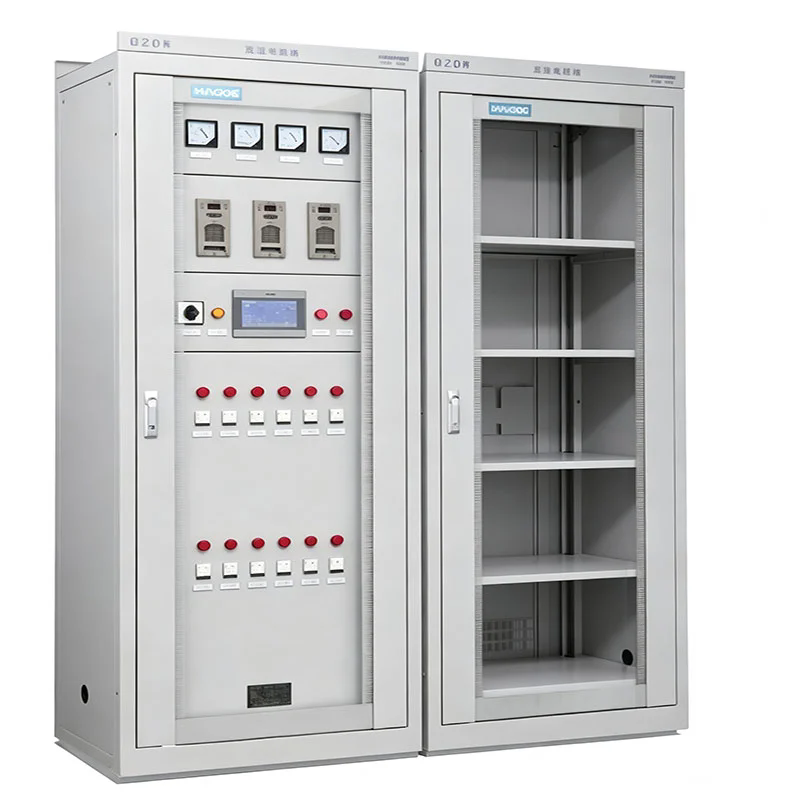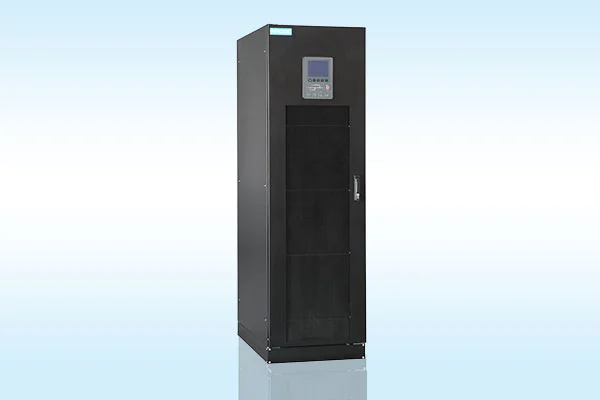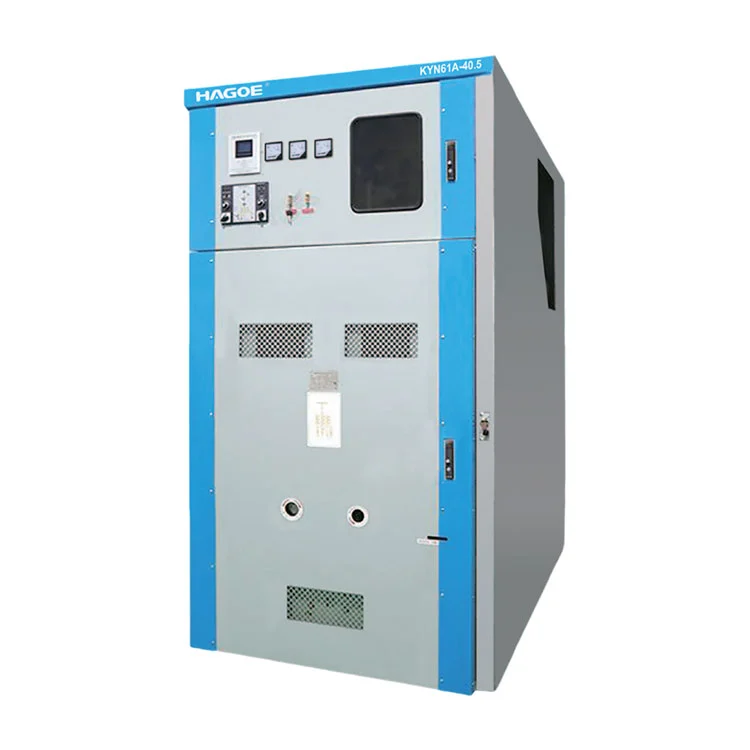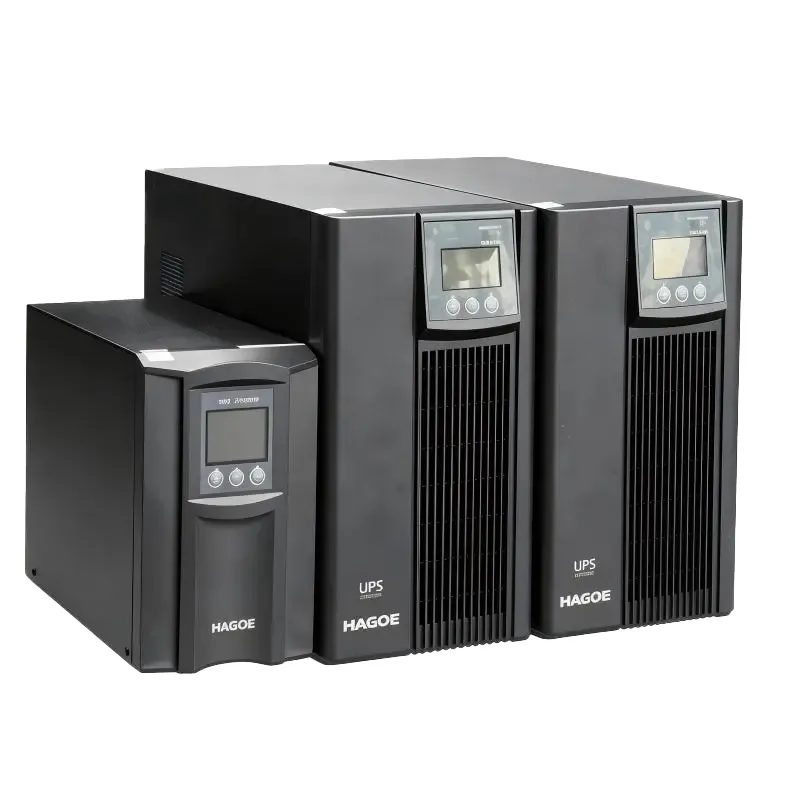
When projects operate far from reliable utility grids, energy planning becomes a critical challenge. HAGOE's Solar Wind Energy Storage All-in-one System combines solar harvesting, wind generation, battery storage, and intelligent power management in a single integrated platform. This blog explains why this system deserves serious attention, how it works, which configurations suit different applications, and when it delivers the strongest return. HAGOE designs these systems for practical deployment, from telecom sites to island microgrids, helping buyers reduce complexity and improve energy resilience.
This article answers a single guiding question: why choose a Solar Wind Energy Storage All-in-one System? It covers the technical logic behind hybrid solar-wind storage, compares system types, outlines selection criteria, reviews application scenarios, and provides a concise FAQ. The content is structured for procurement teams, project developers, and EPC contractors who need a clear, fact-based overview before requesting a quotation.
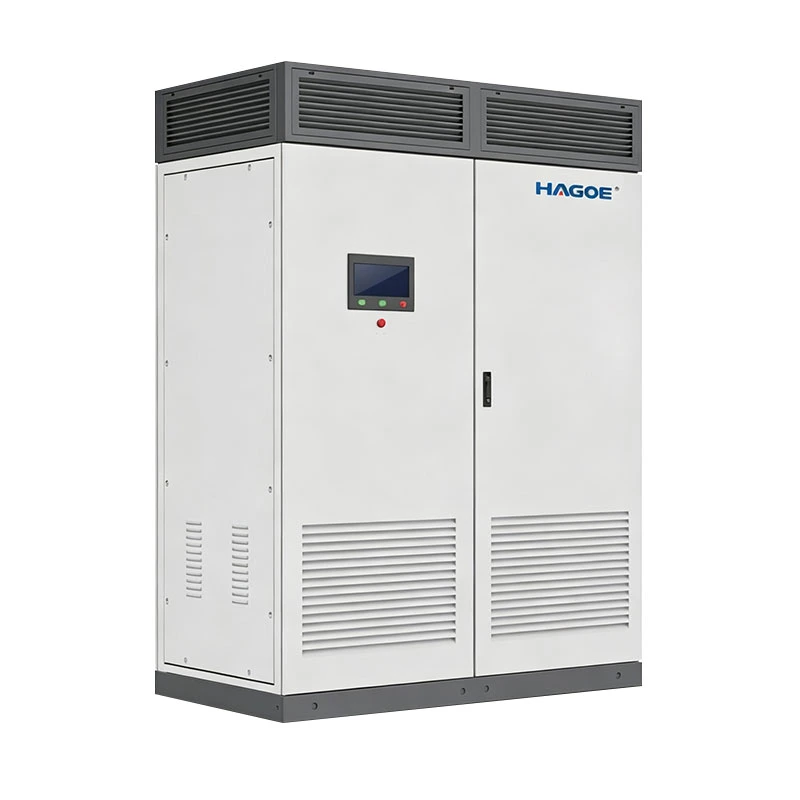
Solar and wind resources often complement each other across the day and across seasons. Solar production peaks at midday, while wind generation can continue at night and during cloudy periods. A Solar Wind Energy Storage All-in-one System captures both resource streams, stores surplus energy in batteries, and dispatches power when load demand rises. This hybrid approach improves energy availability compared with a single-source design, especially in remote areas where grid extension is expensive or physically difficult.
For project owners, the value is not only technical. A single integrated system reduces the number of interfaces among solar controllers, wind controllers, batteries, inverters, and monitoring equipment. Fewer interfaces mean lower integration risk, simpler installation, and more predictable maintenance. HAGOE builds these systems with factory-tested components and clear configuration options, which helps buyers move from specification to delivery with fewer surprises.
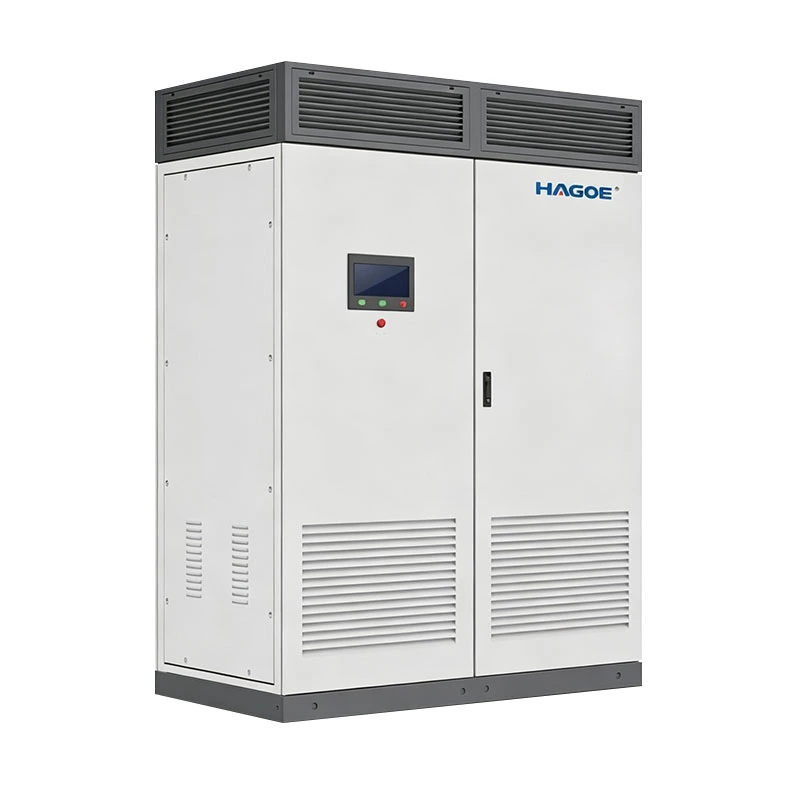
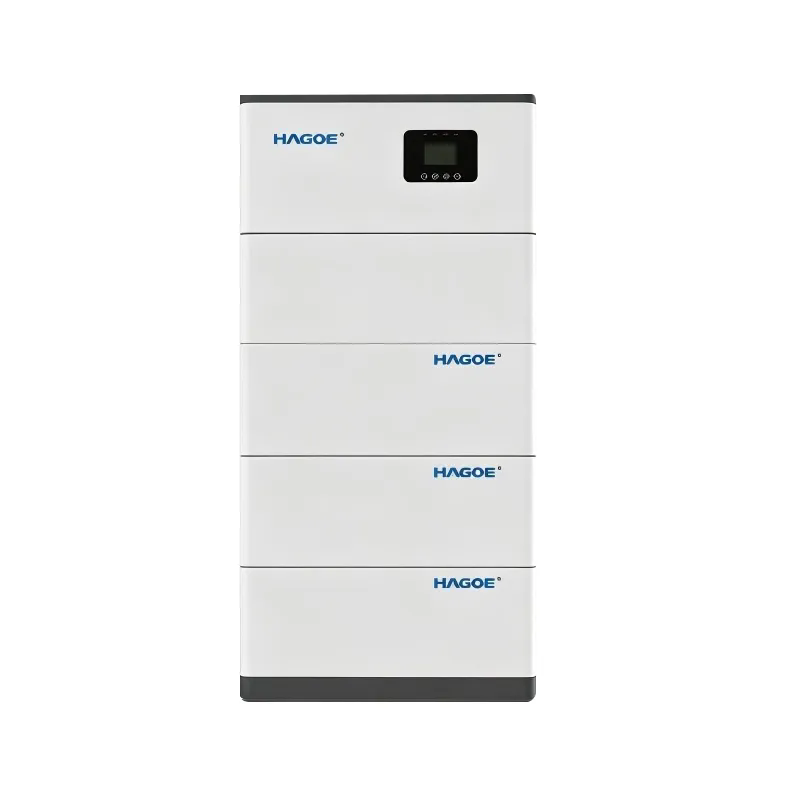
A typical all-in-one system integrates the following functional blocks:
HAGOE configures these blocks into a compact system architecture that can be adapted to different voltages, power levels, and environmental conditions. Buyers can select capacity ranges, enclosure ratings, and communication protocols based on site conditions and operational preferences.
The system operates through a coordinated energy flow. Solar panels and wind turbines feed energy into the controller section. The controller prioritizes renewable input, charges the battery, and supplies loads through the inverter. When renewable generation exceeds load and battery charging demand, excess energy can be curtailed or, in grid-tied configurations, exported. When renewable generation falls below load demand, the battery discharges to maintain supply.
The energy management layer continuously monitors source availability, battery state of charge, and load priority. This logic prevents over-discharge, balances charge sources, and supports stable power delivery. For remote sites, remote monitoring allows operators to review performance and receive fault alerts without frequent site visits.
Configuration depends on load profile, renewable resource data, autonomy requirements, and site logistics. The following questions help narrow the choice:
HAGOE can translate these inputs into a recommended system capacity and battery size. Buyers should share load schedules and site resource data early so that the system design matches actual operating conditions rather than generalized assumptions.
An all-in-one Solar Wind Energy Storage system is particularly suitable in the following situations:
In contrast, a conventional separated procurement approach may be preferable when existing infrastructure must be retained or when site-specific engineering demands highly customized interfaces beyond standard product ranges.
| System Option | Energy Sources | Integration Level | Installation Complexity | Typical Use Case |
|---|---|---|---|---|
| Solar-only storage system | PV plus battery | Medium | Moderate | Sunny sites with stable daily load |
| Wind-only storage system | Wind plus battery | Medium | Moderate to high | Windy sites with limited solar potential |
| Solar Wind Energy Storage All-in-one System | PV, wind, and battery | High | Low to moderate | Remote microgrids, telecom, island sites |
| Separated component procurement | PV, wind, battery, and third-party controls | Low | High | Custom projects with existing equipment |
Telecom operators value the all-in-one approach because it reduces site visits and supports reliable power for base stations in areas where diesel fuel logistics are costly. Island communities benefit from the combination of daytime solar and nighttime wind, paired with battery storage for stable supply. Monitoring and security stations in remote terrain can operate continuously with lower maintenance overhead.
From a procurement perspective, a single integrated system from HAGOE simplifies warranty management, spare parts planning, and technical support. Instead of coordinating multiple vendors for solar controllers, wind interfaces, batteries, and inverters, project teams work with one supplier for the integrated energy platform.
What is a Solar Wind Energy Storage All-in-one System?
It is an integrated power platform that combines solar charging, wind charging, battery storage, inversion, and energy management in one coordinated system.
Why choose an all-in-one system instead of separate components?
An integrated system reduces interface risk, simplifies installation and maintenance, and provides a single point of technical support and warranty coverage.
Which battery chemistry is suitable?
Lithium-based batteries are often preferred for higher cycle life and lower maintenance, while lead-acid options may suit budget-sensitive or legacy-compatible projects. HAGOE can advise based on load profile and site conditions.
When is wind input most valuable?
Wind input is most valuable at night, during cloudy periods, and in seasons when solar irradiation is lower. Hybrid designs improve overall energy availability.
Can the system operate fully off-grid?
Yes. Off-grid configurations are common for remote sites, with battery autonomy sized according to local resource patterns and load requirements.
If you are planning a remote power project and want to evaluate a Solar Wind Energy Storage All-in-one System, HAGOE can help you define the right capacity, configuration, and deployment plan. Share your load profile and site conditions with our technical team to receive a tailored recommendation. Contact us today to discuss your project requirements and take the next step toward a more resilient energy solution.