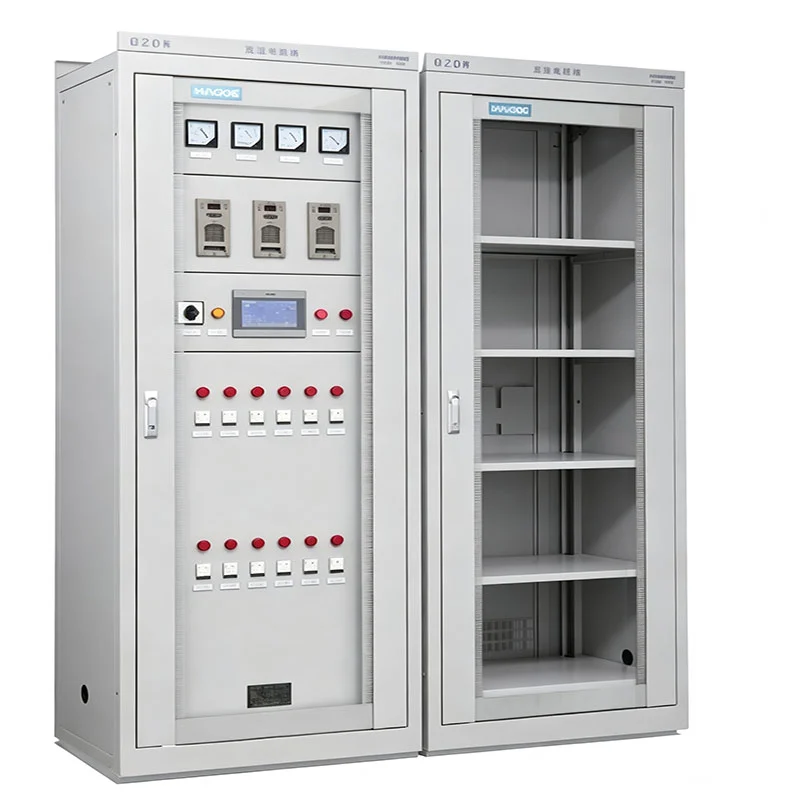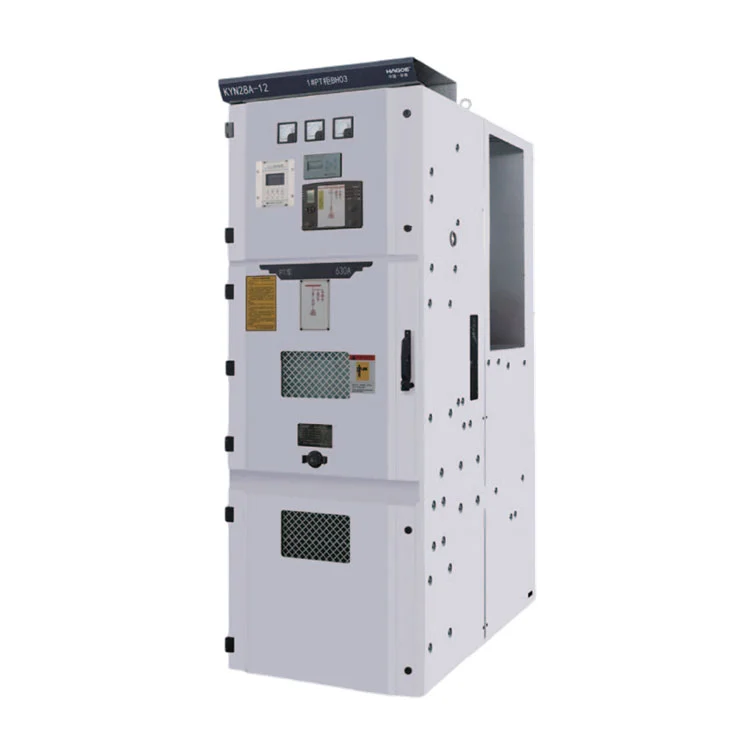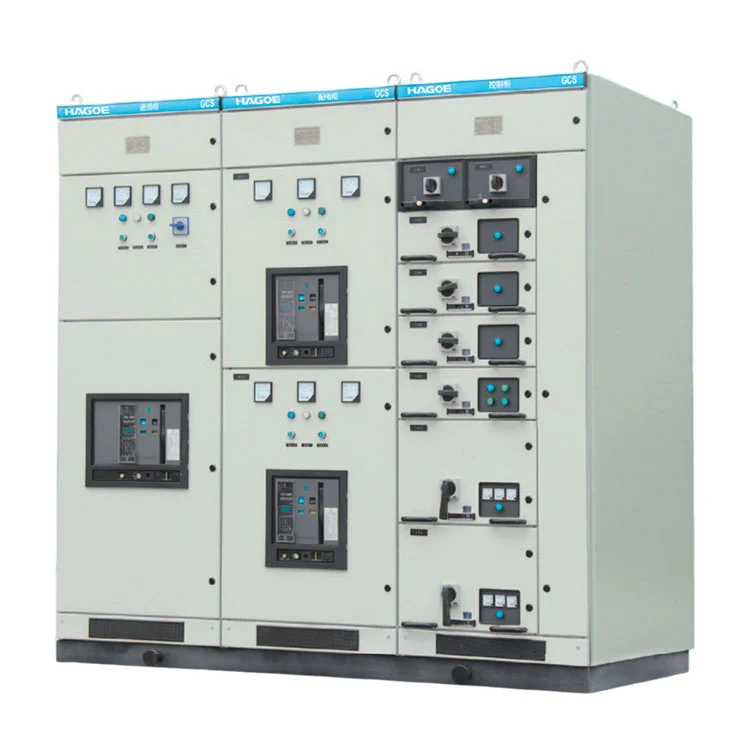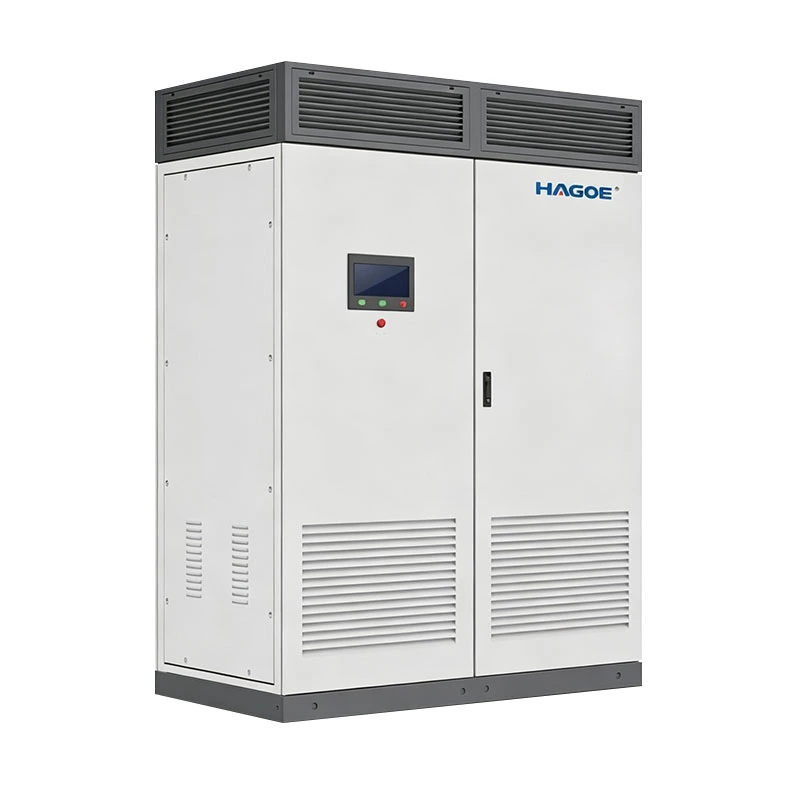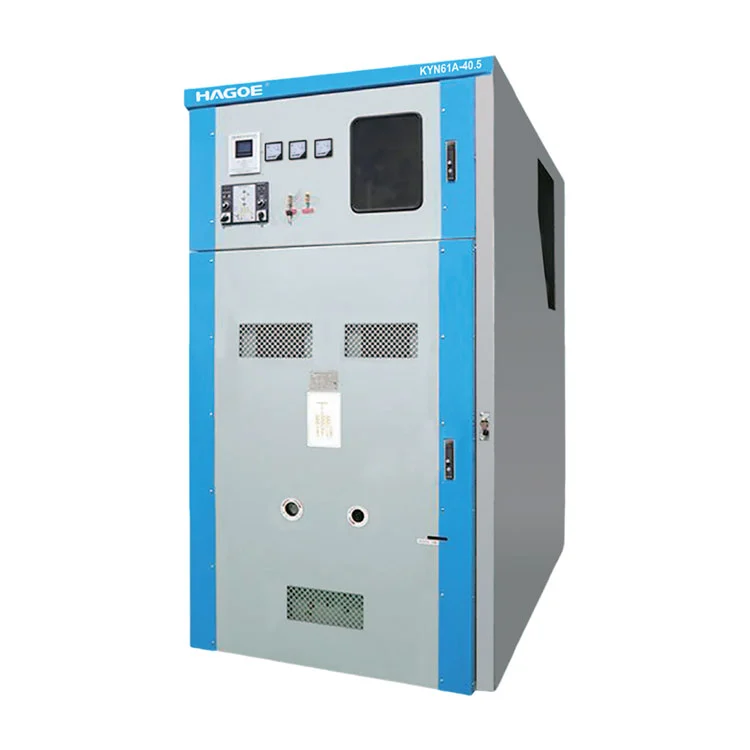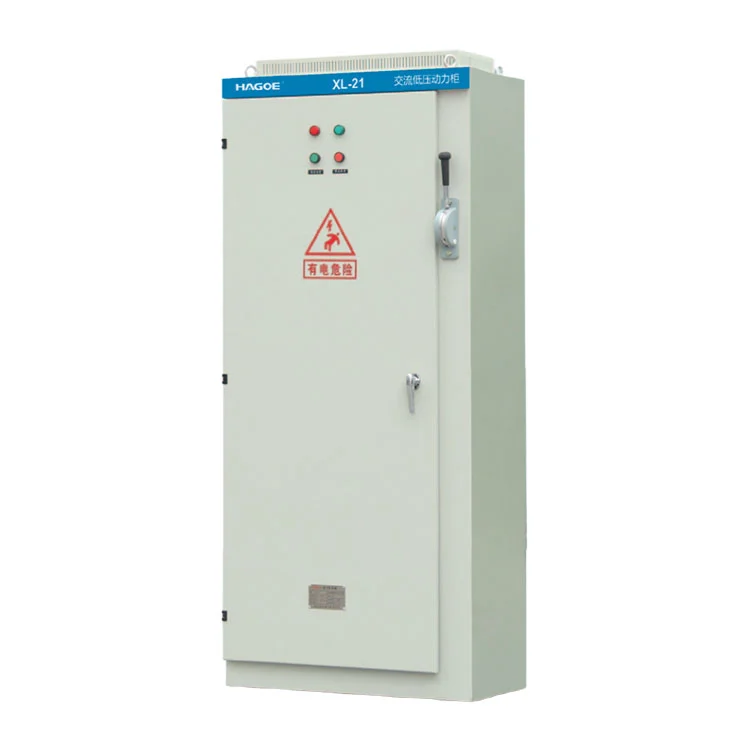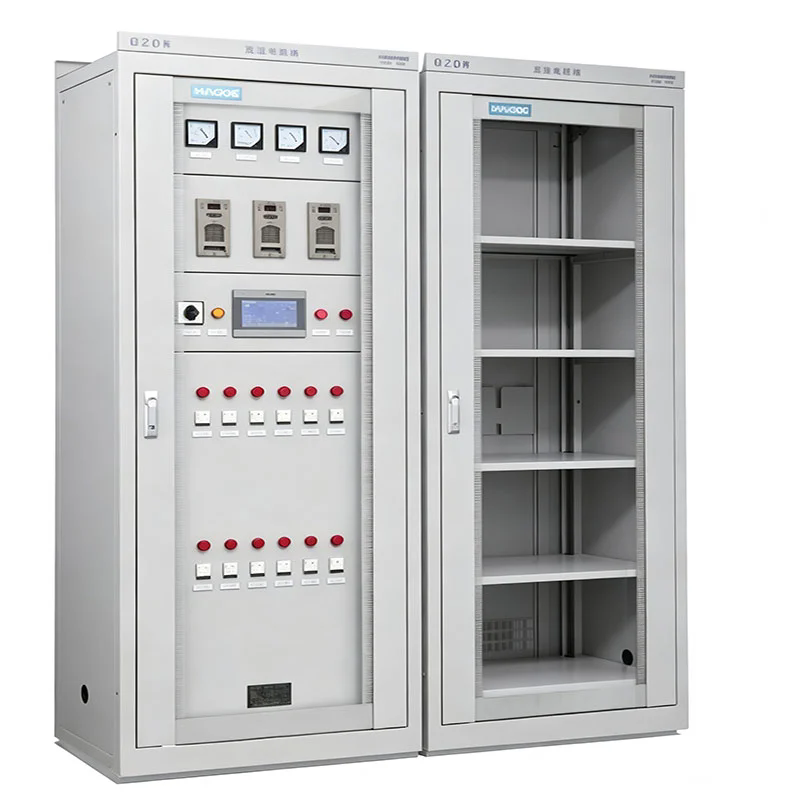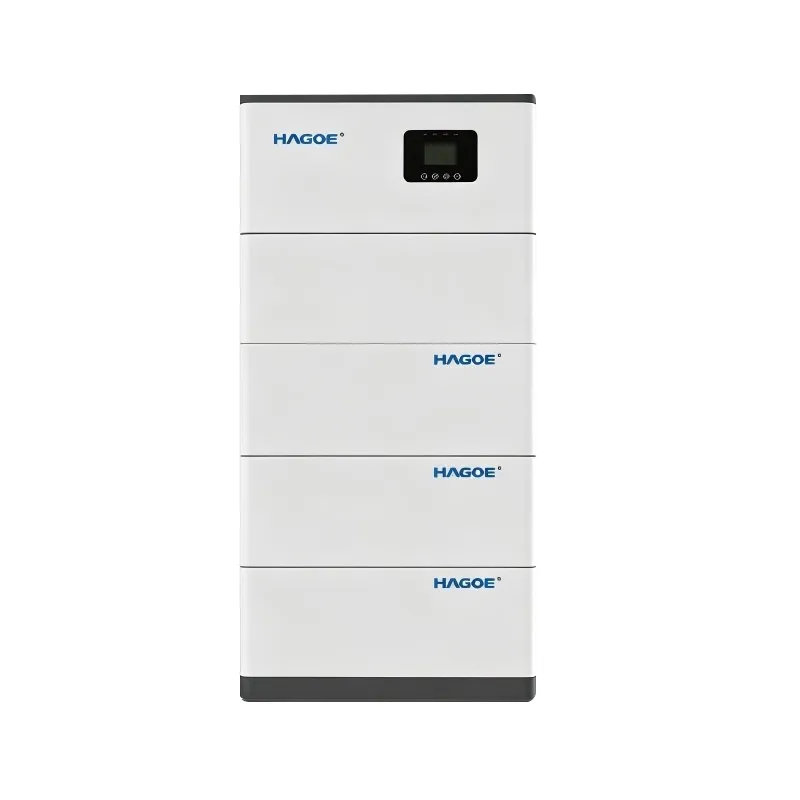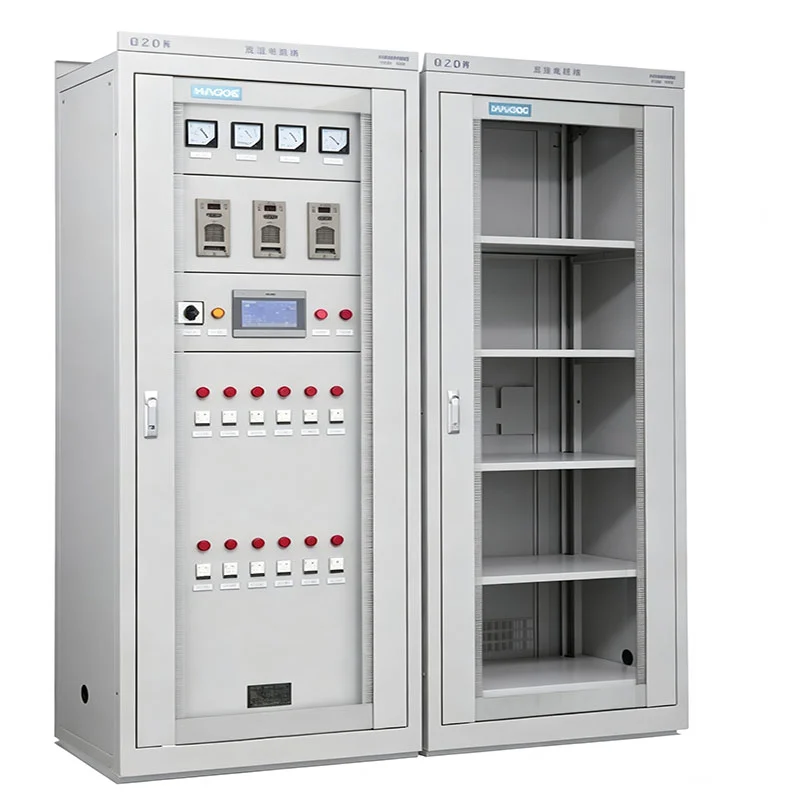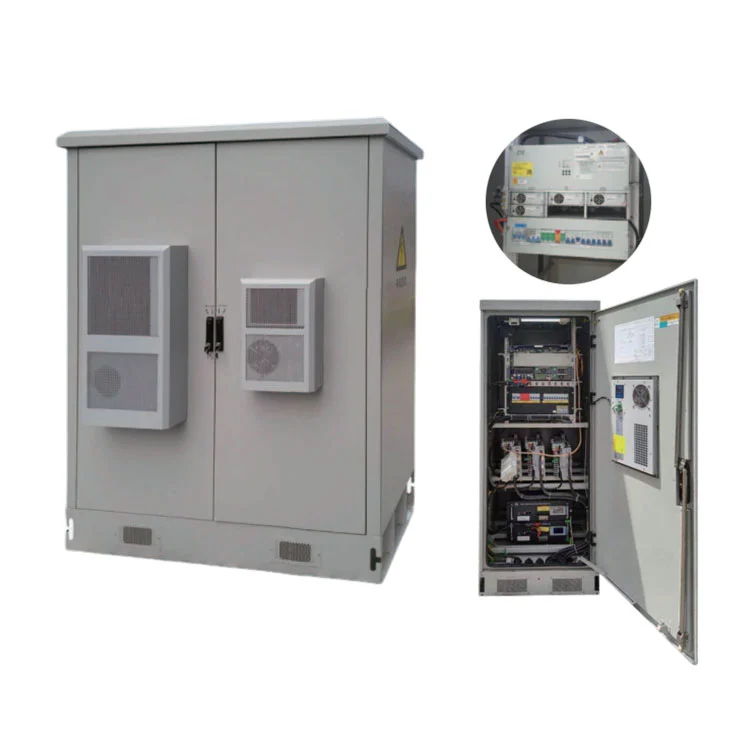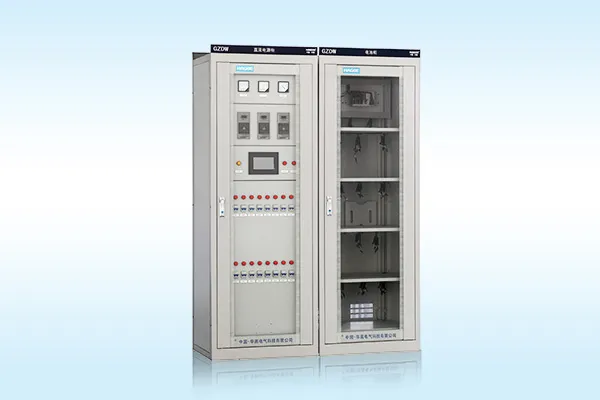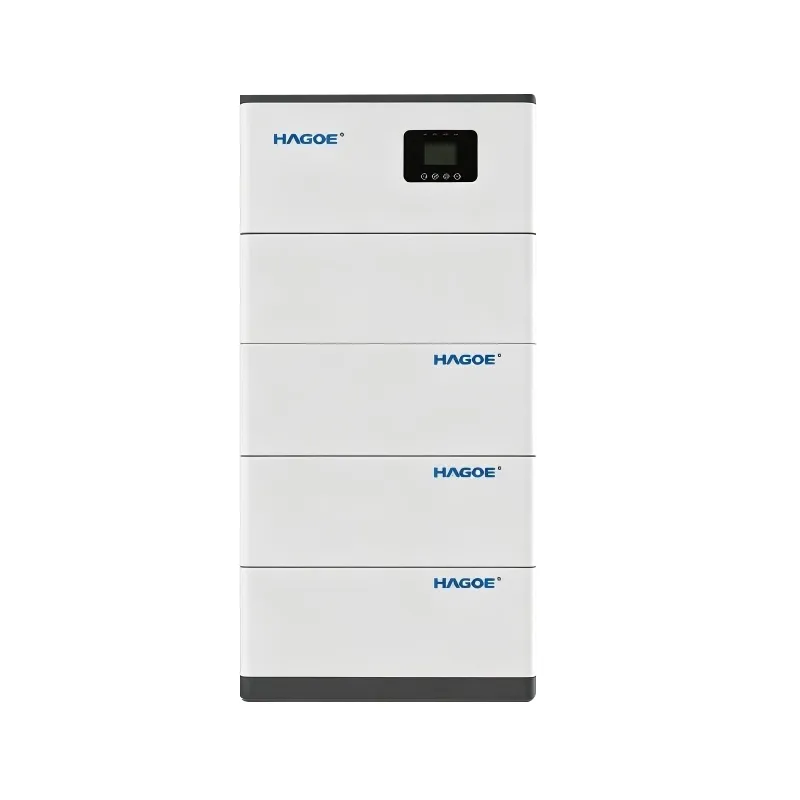
Article Summary: An AC Panel Box is an essential component in modern electrical distribution systems, providing a centralized enclosure for circuit protection, power distribution, and electrical equipment management. Selecting the right enclosure requires careful consideration of material quality, structural design, protection ratings, installation conditions, and electrical compatibility. HAGOE focuses on providing practical electrical enclosure solutions designed to support reliable power distribution across commercial, industrial, and infrastructure applications. This guide explains the main functions, selection criteria, technical considerations, and maintenance practices that buyers should understand before choosing an AC Panel Box.
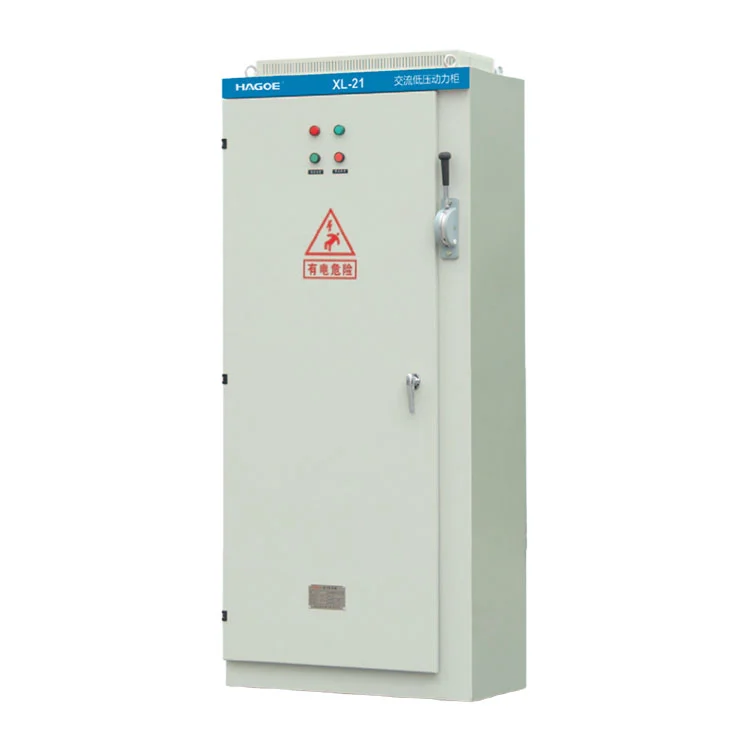
An AC Panel Box is an electrical enclosure designed to house, organize, and protect the components responsible for distributing alternating current (AC) electricity. It provides a structured installation space for electrical devices such as circuit breakers, switches, terminal blocks, busbars, and other distribution accessories.
Rather than allowing electrical components and connections to remain exposed, an AC Panel Box provides a protective housing that helps reduce accidental contact, limit environmental exposure, and maintain an organized electrical installation.
Depending on the project requirements, an AC panel enclosure can be configured for different voltage levels, current capacities, installation environments, and circuit arrangements.
Its main functions include:
For electrical contractors, equipment manufacturers, and project purchasers, selecting a suitable enclosure is an important step toward building a dependable electrical distribution system.
The performance of an electrical distribution system depends on more than the quality of its circuit breakers and wiring. The enclosure also plays an important role in protecting and organizing the complete assembly.
Electrical components may be exposed to dust, mechanical impacts, moisture, and accidental contact during normal operation. An appropriately designed AC Panel Box creates a physical protective barrier around these components.
The required enclosure protection level should be selected according to the actual installation environment. Indoor electrical rooms and outdoor installations may require substantially different enclosure designs.
An AC panel provides a centralized location for incoming power connections, protective devices, and outgoing circuits. This arrangement makes it easier to identify electrical pathways and manage multiple loads.
Proper internal organization can also reduce wiring congestion, improve maintenance efficiency, and support future circuit modifications.
When properly engineered and installed, the enclosure helps reduce the risk of accidental contact with energized parts. It also provides mounting support for protective devices that can interrupt abnormal electrical conditions.
However, an enclosure alone does not guarantee electrical safety. Correct circuit protection, grounding, insulation, clearances, and installation practices remain essential.
For commercial and industrial facilities, an organized electrical panel makes troubleshooting and routine inspections more efficient. Clearly identified circuits and accessible components help qualified maintenance personnel locate potential problems without unnecessary disruption.
The internal configuration of an AC Panel Box depends on its intended application, electrical load, and distribution requirements. A typical assembly may include several important components.
| Component | Main Function | Selection Consideration |
|---|---|---|
| Circuit Breaker | Protects circuits against overloads and short circuits. | Rated current, voltage, and breaking capacity. |
| Busbar | Distributes electrical power between connected circuits. | Current capacity, material, and temperature rise. |
| Terminal Blocks | Provides organized electrical connection points. | Wire size, terminal rating, and compatibility. |
| DIN Rail | Supports modular electrical components. | Mounting compatibility and mechanical strength. |
| Grounding Bar | Provides an organized connection point for protective conductors. | Grounding arrangement and applicable electrical codes. |
| Enclosure Door | Provides access control and physical protection. | Locking arrangement, hinges, and sealing design. |
| Cable Glands | Help secure and seal cable entry points. | Cable diameter, material, and environmental rating. |
Not every installation requires all these components. The final configuration should be determined by electrical engineers or qualified panel designers according to the approved electrical drawings and project specifications.
Material selection directly influences enclosure durability, mechanical strength, corrosion resistance, and suitability for different environments. Buyers should evaluate both the enclosure material and its construction quality.
Besides the material itself, the following design details deserve attention:
A well-designed enclosure should balance mechanical protection, installation convenience, thermal performance, and long-term maintenance requirements.
AC Panel Boxes are used in many applications that require controlled distribution and protection of alternating-current electrical power. Their configurations vary according to the electrical loads and environmental conditions of each project.
Shopping centers, office buildings, hotels, and other commercial facilities use electrical distribution panels to manage lighting, air-conditioning equipment, socket circuits, and auxiliary systems.
Factories and production workshops require dependable electrical distribution for motors, manufacturing equipment, pumps, ventilation systems, and automation devices.
Residential distribution boxes organize household electrical circuits and accommodate protective devices for lighting, appliances, and other electrical loads.
Transportation facilities, public buildings, utility installations, and infrastructure projects often require electrical enclosures designed for specific operating environments and installation conditions.
Solar power installations and other renewable energy projects may use AC distribution enclosures to manage alternating-current connections between inverters, distribution equipment, and downstream electrical systems.
For every application, the enclosure should be selected according to the actual electrical design rather than appearance or dimensions alone.
Choosing an appropriate AC Panel Box requires a systematic assessment of electrical requirements, installation conditions, and future maintenance needs. The following factors can help purchasers make a more informed decision.
Start by identifying the system's rated operating voltage, frequency, rated current, and expected load conditions. The enclosure and its internal components must be compatible with the electrical system.
Pay particular attention to the circuit breaker's rated breaking capacity and the assembly's short-circuit withstand requirements.
Determine whether the enclosure will be installed indoors or outdoors. Consider possible exposure to:
These factors influence material selection, sealing arrangements, ventilation design, and the required IP protection rating.
The enclosure should provide sufficient space for all electrical components, wiring connections, cable bending, and maintenance access.
Choosing a box that is too small can create wiring congestion and thermal management problems. An excessively large enclosure may increase installation costs and consume unnecessary space.
Common installation configurations include wall-mounted, surface-mounted, and floor-standing arrangements. The appropriate design depends on available installation space, equipment weight, accessibility, and project specifications.
Electrical systems may require additional circuits or upgraded equipment as facilities expand. Allowing reasonable spare capacity can simplify future modifications and reduce replacement costs.
| Selection Factor | Questions to Ask | Why It Matters |
|---|---|---|
| Electrical Rating | Does the assembly match the system voltage and current? | Ensures electrical compatibility. |
| Protection Rating | Is the enclosure suitable for the installation environment? | Helps prevent environmental damage. |
| Material | Does the material provide sufficient durability and corrosion resistance? | Supports service life and reliability. |
| Dimensions | Is there sufficient room for wiring and components? | Improves installation and maintenance. |
| Thermal Design | Can internal heat be managed effectively? | Helps prevent excessive operating temperatures. |
| Customization | Can the configuration meet project-specific requirements? | Improves application compatibility. |
For distributors, electrical contractors, and industrial equipment manufacturers, product quality should be evaluated through technical documentation, manufacturing consistency, and appropriate testing procedures.
Depending on the product category and intended application, buyers may need to consider the following standards:
Applicable standards should be confirmed according to the complete product configuration, market requirements, and installation conditions. A standard applicable to an empty enclosure does not automatically establish compliance of the completed electrical assembly.
A reliable AC Panel Box supplier should have a structured approach to production quality and technical verification. Buyers should consider the following inspection areas:
For customized projects, it is also important to review technical drawings, component layouts, cable entry positions, and installation requirements before production begins.
Correct installation and regular inspection help maintain the performance and safety of an electrical distribution system throughout its service life.
Important: Electrical inspection and maintenance should only be performed by qualified personnel using appropriate isolation, lockout/tagout, and verification procedures. Internal work must not be carried out on energized equipment unless specifically permitted under applicable safety procedures.
The main purpose is to provide a protective enclosure for electrical distribution components while organizing incoming and outgoing AC circuits. It helps improve equipment protection, wiring management, and maintenance accessibility.
The terms are sometimes used interchangeably. However, an AC Panel Box generally emphasizes an enclosure or panel assembly for alternating-current equipment, while an electrical distribution box is a broader term that can describe equipment used in different electrical distribution applications. The exact meaning depends on the product configuration.
There is no single best material for every application. Carbon steel is suitable for many industrial installations, stainless steel is useful in corrosive environments, aluminum offers lightweight construction, and engineering plastics can provide electrical insulation. The final choice depends on environmental conditions, mechanical requirements, and project specifications.
The required IP rating depends on the installation environment. Indoor electrical rooms may have different protection requirements from outdoor or dusty locations. Buyers should evaluate exposure to water, dust, and other contaminants before selecting an enclosure. The rating should be verified against IEC 60529 and the relevant project requirements.
Yes. Depending on the manufacturer's capabilities, customization may include enclosure dimensions, mounting arrangements, material selection, surface treatment, cable entry positions, internal mounting plates, and component layouts. Detailed technical drawings and electrical requirements help ensure an appropriate design.
Consider the number and dimensions of internal components, wiring space, cable bending radius, ventilation requirements, and maintenance clearance. The enclosure should accommodate the complete assembly without overcrowding and should allow safe access for qualified personnel.
For a more accurate quotation, prepare the following information:
Review the manufacturer's product range, engineering capabilities, material quality, production processes, inspection procedures, technical documentation, and ability to meet project-specific requirements. Clear communication and consistent quality control are also important indicators of supplier reliability.
Selecting the right AC Panel Box is an important investment in electrical system protection, distribution efficiency, and long-term operational reliability. Buyers should look beyond enclosure appearance and evaluate electrical compatibility, material performance, structural quality, environmental protection, installation requirements, and maintenance accessibility.
Whether the application involves commercial buildings, industrial facilities, infrastructure projects, or renewable energy systems, a properly specified enclosure can help create a safer and more organized electrical installation.
HAGOE is committed to supporting customers looking for practical electrical enclosure solutions. If you are sourcing an AC Panel Box for a new project, upgrading an existing distribution system, or exploring customized enclosure requirements, contact us to discuss your technical specifications, application needs, and product expectations. Working with the right manufacturing partner can help you achieve a more reliable and efficient electrical distribution solution.